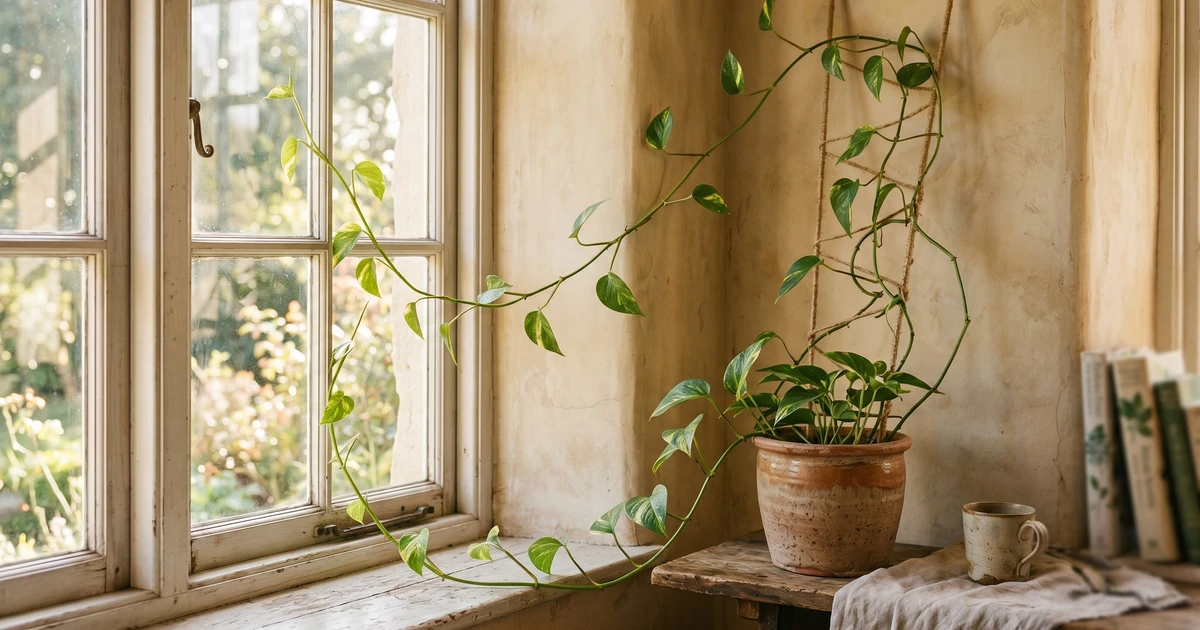
Anthurium: quarantine protocol
Quick answer
quarantine protocol for Anthurium: Imported aroid plants commonly carry隐秘 pest hitchhikers (spider mites, thrips, mealybugs, scale) that thrive in the warm, humid shipping environment and spread rapidly to houseplant collections upon arrival. Without quarantine, these pests establish in the indoor ecosystem within 2-3 weeks, causing stippling, yellowing, and declining vigor that often mimics cultural problems rather than infestation.
Start here:
- 1. Isolate new plants in a separate room with closed door or sealed clear plastic bag tent for minimum 14 days
- 2. Perform thorough inspection within first 48 hours: check leaf undersides, axils, stems, and soil surface with 10x magnifying glass for pests, eggs, or webbing
Why quarantine protocol matters for Anthurium
Anthurium spp.
Imported aroid plants commonly carry隐秘 pest hitchhikers (spider mites, thrips, mealybugs, scale) that thrive in the warm, humid shipping environment and spread rapidly to houseplant collections upon arrival. Without quarantine, these pests establish in the indoor ecosystem within 2-3 weeks, causing stippling, yellowing, and declining vigor that often mimics cultural problems rather than infestation.
How to handle quarantine protocol on Anthurium
- 1
Isolate new plants in a separate room with closed door or sealed clear plastic bag tent for minimum 14 days
- 2
Perform thorough inspection within first 48 hours: check leaf undersides, axils, stems, and soil surface with 10x magnifying glass for pests, eggs, or webbing
- 3
Apply preventive treatment: spray all leaf surfaces (tops and undersides) with neem oil solution (1 tsp neem + few drops dish soap per quart water) or insecticidal soap, covering every surface area
- 4
Repeat chemical treatment every 5-7 days for 3-4 weeks to break pest life cycles (eggs hatch after initial treatment)
- 5
Maintain 60-80% humidity during quarantine — spider mites specifically thrive below 40% RH and cannot reproduce in high humidity
- 6
After 4 weeks with no pest signs, gradually introduce to main plant collection in a well-ventilated area
Keeping Anthurium on track
Quarantine ALL new plants in an isolated room or sealed humidity tent for 2-4 weeks minimum; inspect undersides of leaves and stem joints with 10x magnification before introducing near existing plants.