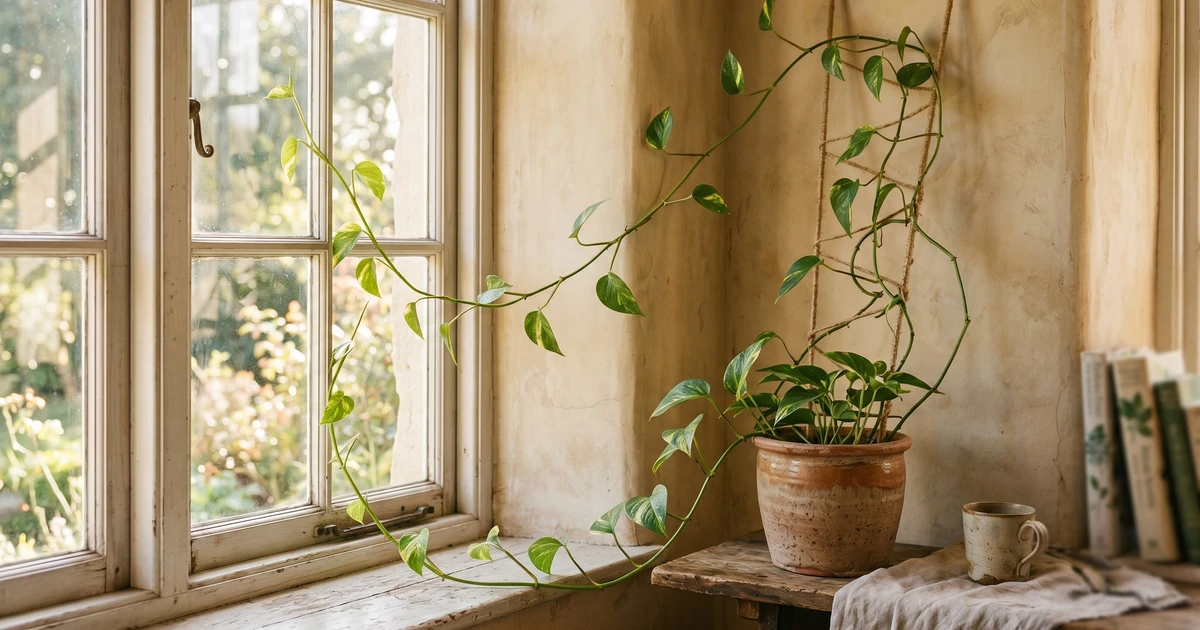
slow growth on Anthurium
Quick answer
If your Anthurium has slow growth, the most likely cause is: Anthurium slow growth results from inadequate photosynthetically active radiation (PAR) limiting energy production, insufficient warmth below 65°F causing metabolic slowdown, depleted soil nutrients from lack of fertilization, or root-bound conditions where the velamen root system has no room to expand. Unlike fast-growing tropicals, Anthurium are naturally moderate growers producing 1-2 leaves per month during active growth — anything slower suggests environmental limitation.
Start here:
- 1. Measure light levels with meter — if below 500 foot-candles, supplement with full-spectrum grow lights 12 hours daily
- 2. Check temperature: if below 65°F, move to warmer location away from cold drafts and windows
Why Anthurium gets slow growth
Anthurium spp.
Anthurium slow growth results from inadequate photosynthetically active radiation (PAR) limiting energy production, insufficient warmth below 65°F causing metabolic slowdown, depleted soil nutrients from lack of fertilization, or root-bound conditions where the velamen root system has no room to expand. Unlike fast-growing tropicals, Anthurium are naturally moderate growers producing 1-2 leaves per month during active growth — anything slower suggests environmental limitation.
How to reverse slow growth on Anthurium
- 1
Measure light levels with meter — if below 500 foot-candles, supplement with full-spectrum grow lights 12 hours daily
- 2
Check temperature: if below 65°F, move to warmer location away from cold drafts and windows
- 3
Fertilize with balanced 20-20-20 at 1/4 strength monthly during spring-fall; none in winter
- 4
If plant is severely rootbound (roots circling, emerging from holes), repot into pot 1-2 inches larger with fresh chunky mix
- 5
Be patient: Anthurium naturally grow 1-2 leaves per month during active growth; mature plants slower than juveniles
- 6
Ensure 60-80% humidity — low humidity reduces transpiration and nutrient uptake efficiency
Keep slow growth off this Anthurium
Provide bright indirect light (1500-2500 foot-candles) for 12+ hours daily; maintain 65-80°F year-round; fertilize monthly during growing season; repot when roots circle pot or emerge from drainage holes; use chunky aroid mix to support healthy root function.