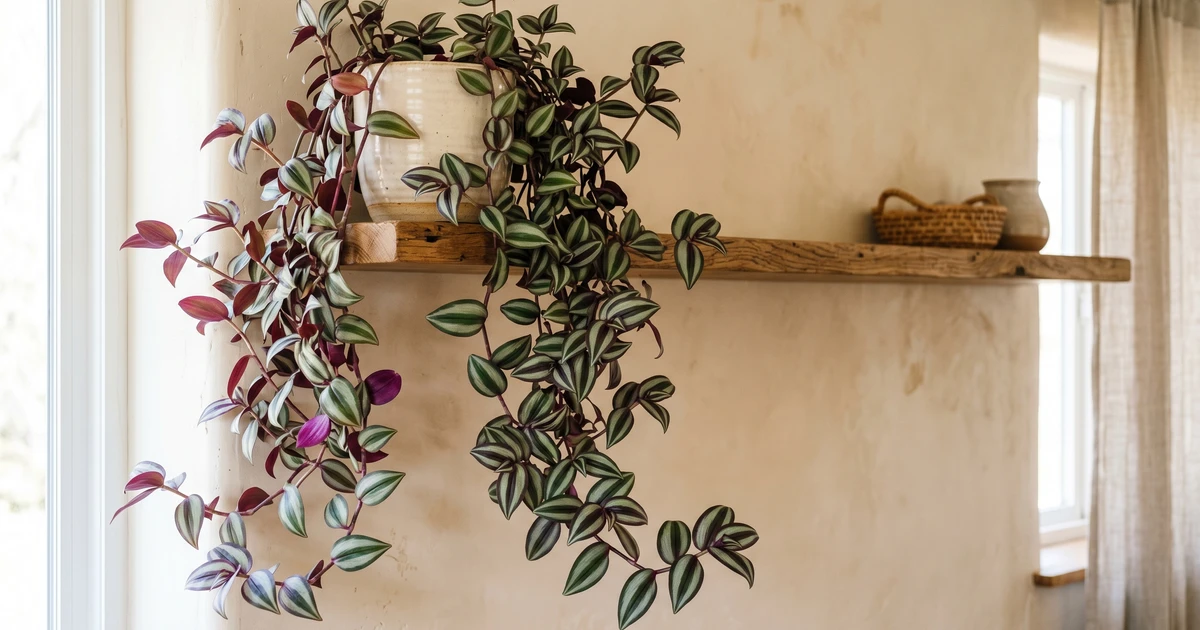
etiolation stretch on Echeveria
Quick answer
If your Echeveria has etiolation stretch, the most likely cause is: Echeveria etiolation (leggy, stretched rosette) occurs when plants receive insufficient light intensity (<200 µmol/m²/s PAR), triggering photomorphogenic response where auxin redistribution causes internode elongation as the plant stretches toward light sources to maximize photosynthesis — distinct from root rot or dormancy.
Start here:
- 1. Measure light levels with PAR meter or smartphone lux app — target 2000-5000+ lux for compact Echeveria growth
- 2. Increase light gradually over 1-2 weeks to avoid photoinhibition shock — start with 1-2 hours additional bright light, increment daily
Why Echeveria gets etiolation stretch
Echeveria spp.
Echeveria etiolation (leggy, stretched rosette) occurs when plants receive insufficient light intensity (<200 µmol/m²/s PAR), triggering photomorphogenic response where auxin redistribution causes internode elongation as the plant stretches toward light sources to maximize photosynthesis — distinct from root rot or dormancy.
How to reverse etiolation stretch on Echeveria
- 1
Measure light levels with PAR meter or smartphone lux app — target 2000-5000+ lux for compact Echeveria growth
- 2
Increase light gradually over 1-2 weeks to avoid photoinhibition shock — start with 1-2 hours additional bright light, increment daily
- 3
Position in south/east-facing window or install full-spectrum LED grow light (12-14 hours/day) at 6-12 inches distance
- 4
If rosette is severely elongated: behead above compact growth, callous 2-3 days, replant in well-draining soil
- 5
Monitor new growth for compactness within 4-6 weeks — correct light levels restore tight rosette formation
Keep etiolation stretch off this Echeveria
Provide 6-8 hours of bright direct to indirect sunlight daily (south/east-facing window or full-spectrum grow light at 2000-5000 lux); use timers for consistency; rotate weekly for even light distribution.