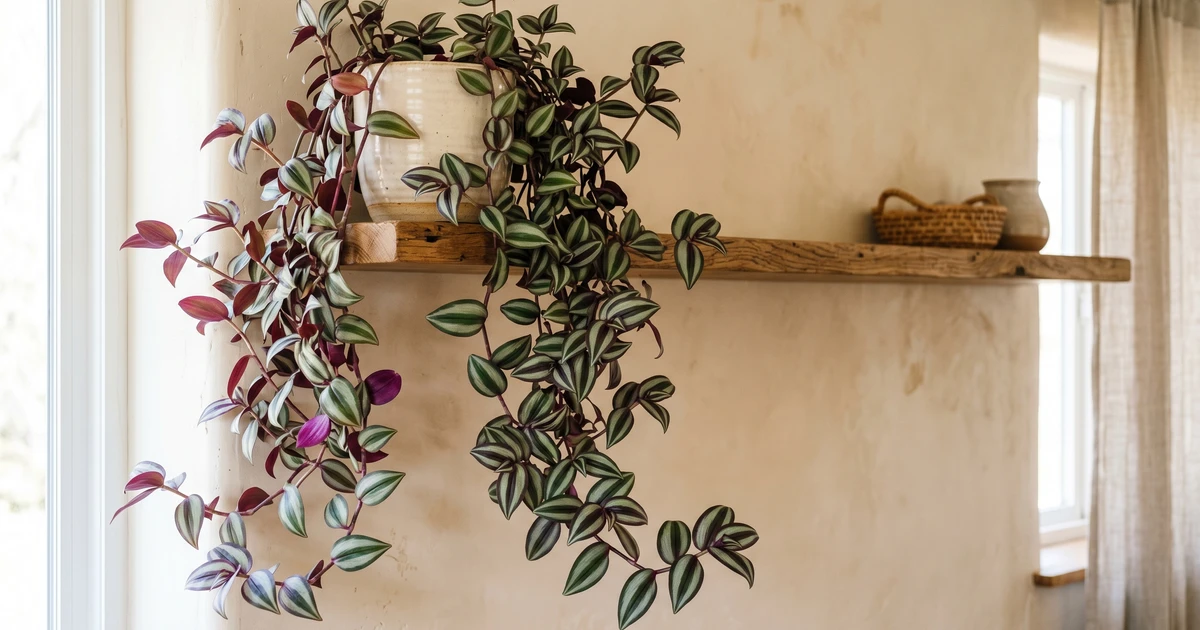
stem burial on Echeveria
Quick answer
If your Echeveria has stem burial, the most likely cause is: Etiolated Echeveria stems remain physiologically viable and capable of adventitious root formation. Rather than discarding stretched stems after beheading, the remaining stem contains dormant meristematic tissue that can generate new root systems when provided appropriate environmental cues. This maximizes plant material utilization and produces fuller, bushier specimens through multiple offset production.
Start here:
- 1. 1. Prepare stem after beheading: Leave 2-4 inches of stem below the beheading cut on the original root system
- 2. 2. Inspect stem health: Verify stem is firm (not mushy/rotten) and green—brown woody stems may still work but with lower success
Why Echeveria gets stem burial
Echeveria spp.
Etiolated Echeveria stems remain physiologically viable and capable of adventitious root formation. Rather than discarding stretched stems after beheading, the remaining stem contains dormant meristematic tissue that can generate new root systems when provided appropriate environmental cues. This maximizes plant material utilization and produces fuller, bushier specimens through multiple offset production.
How to reverse stem burial on Echeveria
- 1
1. Prepare stem after beheading: Leave 2-4 inches of stem below the beheading cut on the original root system
- 2
2. Inspect stem health: Verify stem is firm (not mushy/rotten) and green—brown woody stems may still work but with lower success
- 3
3. Partial bury technique: Gently bury the elongated stem horizontally or at 45° angle, covering up to the remaining leaf nodes while keeping any top growth upright
- 4
4. Burying depth: Cover stem with 0.5-1 inch of well-draining succulent soil, leaving any small leaves or buds exposed
- 5
5. Provide intense light: Position in bright indirect or direct sun immediately—new growth requires high PAR to avoid re-etiolation
- 6
6. Water protocol: Wait 7-10 days before first watering to allow buried stem to callus; then resume normal soak-and-dry cycle
- 7
7. Timeline: New offsets emerge from buried nodes in 3-6 weeks; stems may root along entire buried length
Keep stem burial off this Echeveria
Address etiolation early—stems <3 inches elongation respond best to burial technique. Woody, corked stems older than 6 months have reduced meristematic activity and lower success rates.