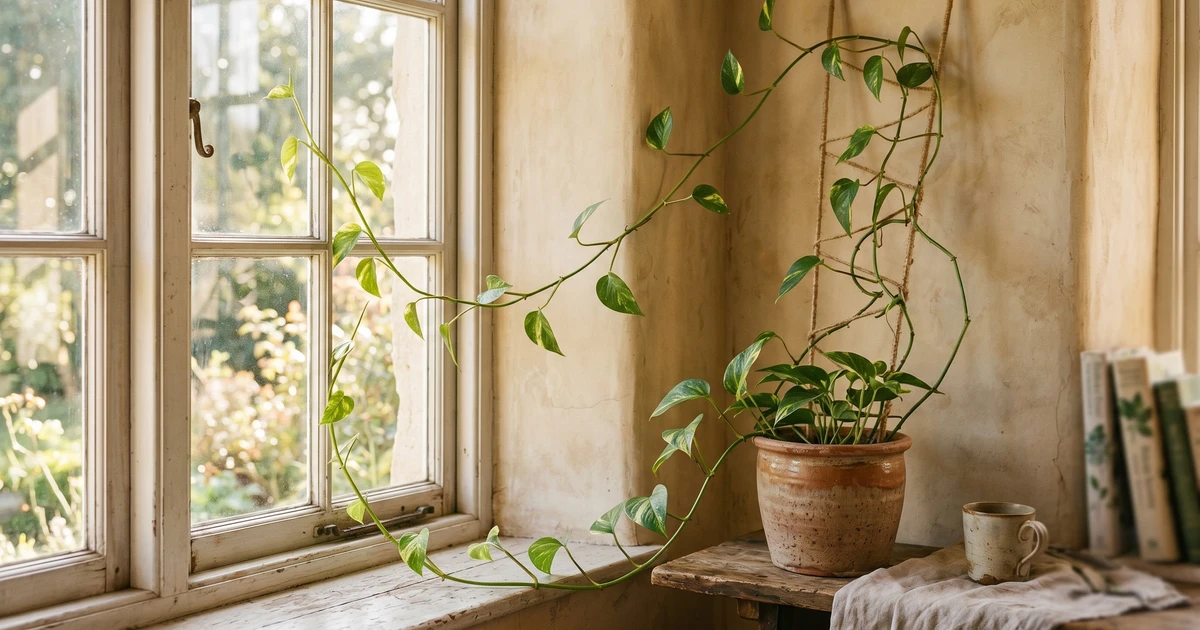
low light tolerance and Ficus Lyrata
Quick answer
If low light tolerance is what's going on with your Ficus Lyrata, the most likely cause is: Ficus lyrata exhibits poor low-light tolerance due to its evolutionary adaptation to West African rainforest canopies where it receives bright dappled light (10,000-25,000 lux in native habitat). The large, sclerophyllous leaves maximize light capture but require minimum 1500-2000 lux to maintain positive carbon balance. Below this threshold, the plant enters shade-avoidance syndrome: internodes elongate (etiolation), leaves become thinner with reduced chlorophyll, and overall vigor declines. Unlike true shade-tolerant understory plants, F. lyrata lacks the anatomical adaptations (multiple cell layers, light-harvesting complexes) for sustained low-light survival.
Start here:
- 1. 1. Measure first: Use free light meter app to assess actual lux at location; target 2000-5000 lux for maintenance growth
- 2. 2. Strategic placement: East-facing windows provide optimal winter light; south-facing acceptable with sheer curtain filtration
Why low light tolerance happens to Ficus Lyrata
Ficus lyrata exhibits poor low-light tolerance due to its evolutionary adaptation to West African rainforest canopies where it receives bright dappled light (10,000-25,000 lux in native habitat). The large, sclerophyllous leaves maximize light capture but require minimum 1500-2000 lux to maintain positive carbon balance. Below this threshold, the plant enters shade-avoidance syndrome: internodes elongate (etiolation), leaves become thinner with reduced chlorophyll, and overall vigor declines. Unlike true shade-tolerant understory plants, F. lyrata lacks the anatomical adaptations (multiple cell layers, light-harvesting complexes) for sustained low-light survival.
How to correct low light tolerance on Ficus Lyrata
- 1
1. Measure first: Use free light meter app to assess actual lux at location; target 2000-5000 lux for maintenance growth
- 2
2. Strategic placement: East-facing windows provide optimal winter light; south-facing acceptable with sheer curtain filtration
- 3
3. Supplemental lighting: Install full-spectrum LED grow light 12-18 inches above plant, 12-14 hours daily
- 4
4. Mirror technique: Place white surfaces or mirrors behind plant to reflect available light
- 5
5. Acceptable alternative: If light remains below 1000 lux, consider swapping for low-light tolerant species (ZZ plant, snake plant, pothos)
Keep low light tolerance from repeating on this Ficus Lyrata
Select placement before purchase—measure light levels at intended location using phone app during winter months (when light is lowest); choose only if location provides minimum 2000 lux; consider supplemental grow lights as mandatory, not optional, for north-facing rooms.
Other Ficus Lyrata problems
Same Problem on Other Plants
Go Deeper
This is covered in-depth in the ficus lyrata Mastery Pack — structured modules with video walkthroughs, advanced protocols, and rescue timelines.
Get the Mastery Pack — $37 →