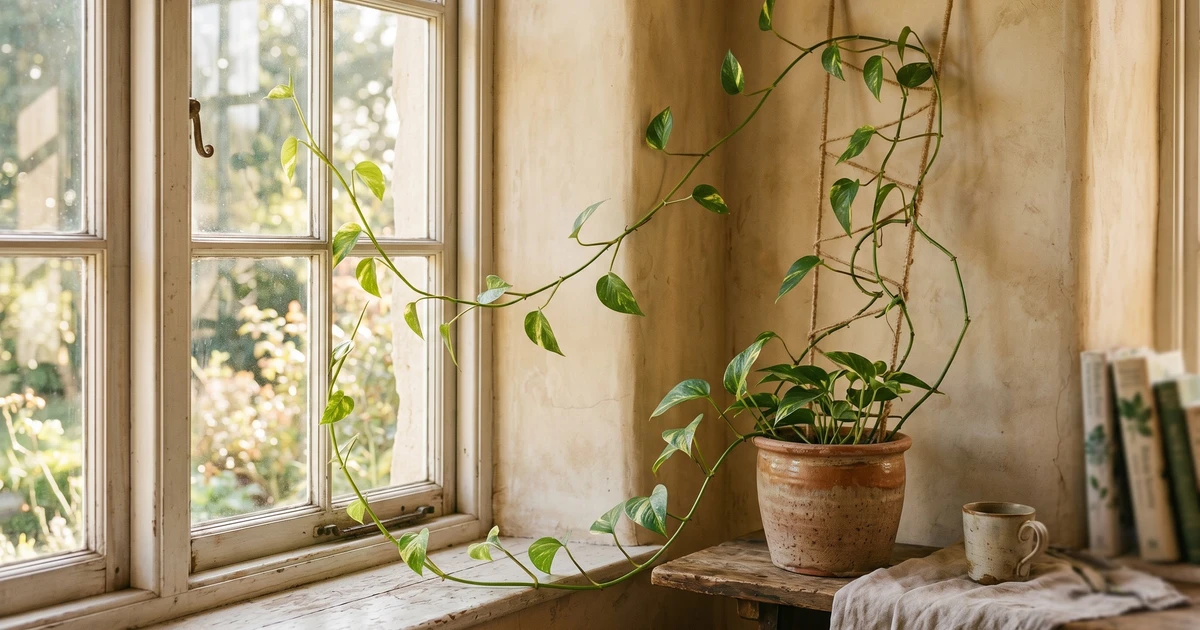
low light tolerance and Zz Plant
Quick answer
If low light tolerance is what's going on with your Zz Plant, the most likely cause is: Zamioculcas zamiifolia employs Crassulacean Acid Metabolism (CAM) photosynthesis—an adaptation to arid understory conditions where stomata open at night to minimize transpirational water loss. During darkness, CO2 is fixed into malate and stored in vacuoles; during daylight, stomata close and the stored CO2 is released for Calvin cycle carbon fixation. This temporal separation of gas exchange allows survival in extremely low light (50-100 foot-candles / 500-1000 lux) where typical C3 plants would succumb to carbon limitation. The large subterranean rhizomes store starch reserves that buffer the plant during extended low-light periods, enabling survival for months in near-darkness conditions that would kill non-CAM tropicals.
Start here:
- 1. Assess light realistically: Measure with meter; 50-100 fc = survival only, 200-400 fc = healthy growth
- 2. Understand CAM limitations: Low light survival comes at cost of extremely slow growth (1-2 new leaves/year)
Why low light tolerance happens to Zz Plant
Zamioculcas zamiifolia
Zamioculcas zamiifolia employs Crassulacean Acid Metabolism (CAM) photosynthesis—an adaptation to arid understory conditions where stomata open at night to minimize transpirational water loss. During darkness, CO2 is fixed into malate and stored in vacuoles; during daylight, stomata close and the stored CO2 is released for Calvin cycle carbon fixation. This temporal separation of gas exchange allows survival in extremely low light (50-100 foot-candles / 500-1000 lux) where typical C3 plants would succumb to carbon limitation. The large subterranean rhizomes store starch reserves that buffer the plant during extended low-light periods, enabling survival for months in near-darkness conditions that would kill non-CAM tropicals.
How to correct low light tolerance on Zz Plant
- 1
Assess light realistically: Measure with meter; 50-100 fc = survival only, 200-400 fc = healthy growth
- 2
Understand CAM limitations: Low light survival comes at cost of extremely slow growth (1-2 new leaves/year)
- 3
Optimize placement: Move to brighter indirect location if seeking active growth; ZZ tolerates range from 50-1000+ fc
- 4
Supplement strategically: Use full-spectrum LED 10-20W on 12-14 hour timer if no natural windows
- 5
Rotate for even growth: Turn plant 90 degrees weekly to prevent phototropic leaning toward light sources
- 6
Distinguish survival vs thriving: ZZ survives 'black hole' conditions but etiolates and stretches; brighter light produces compact, upright growth
Keep low light tolerance from repeating on this Zz Plant
While ZZ tolerates extreme low light, optimal growth requires bright indirect light (200-400 foot-candles). Position within 3-6 feet of east/north windows or supplement with low-intensity grow lights. Avoid overwatering—CAM plants have reduced transpiration and require extended dry periods (3-4 weeks between waterings). Use well-draining soil and terracotta pots to prevent rhizome rot from excess moisture retention.
Other Zz Plant problems
Same Problem on Other Plants
Go Deeper
This is covered in-depth in the zz plant Mastery Pack — structured modules with video walkthroughs, advanced protocols, and rescue timelines.
Get the Mastery Pack — $37 →