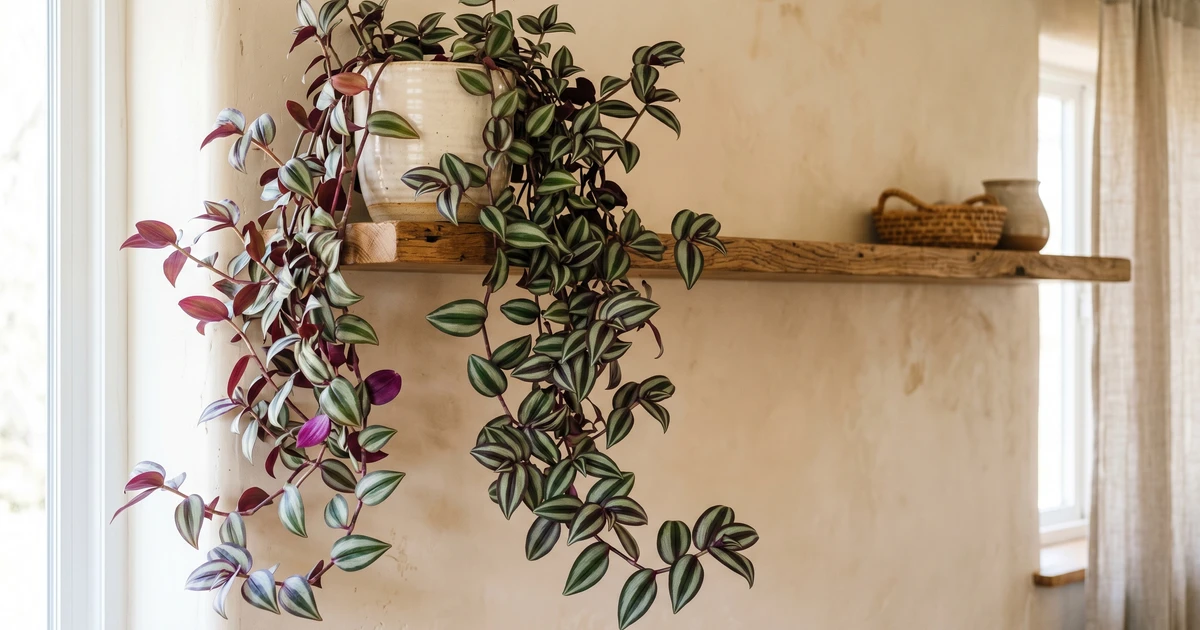
nitrogen deficiency on Ficus
Quick answer
If your Ficus has nitrogen deficiency, the most likely cause is: Nitrogen is the most critical macronutrient for Ficus growth — it constitutes all proteins, nucleic acids, and enzymes. The Ficus carica study found that full NPK treatment produced significantly higher leaf nitrogen content, correlating with more chlorophyll, greater leaf area (41.2 cm), and superior dry matter accumulation compared to reduced-N treatments.
Start here:
- 1. Apply ammonium sulphate (20.5% N) or balanced fertilizer during active growing season for maximum leaf production
- 2. Monitor leaf color as N indicator — pale yellow-green leaves signal deficiency requiring immediate fertilizer application
Why Ficus gets nitrogen deficiency
Ficus spp.
Nitrogen is the most critical macronutrient for Ficus growth — it constitutes all proteins, nucleic acids, and enzymes. The Ficus carica study found that full NPK treatment produced significantly higher leaf nitrogen content, correlating with more chlorophyll, greater leaf area (41.2 cm), and superior dry matter accumulation compared to reduced-N treatments.
How to reverse nitrogen deficiency on Ficus
- 1
Apply ammonium sulphate (20.5% N) or balanced fertilizer during active growing season for maximum leaf production
- 2
Monitor leaf color as N indicator — pale yellow-green leaves signal deficiency requiring immediate fertilizer application
- 3
Use slow-release organic N sources (compost) for stable nitrogen availability and reduced burn risk compared to synthetic fertilizers
- 4
Excess N causes excessive vegetative growth with weak stems prone to snapping — reduce N if ficus is producing lush but structurally weak growth
- 5
Mature Ficus benjamina and Ficus lyrata in low-light conditions need less N than outdoor specimens due to slower metabolic rates
Keep nitrogen deficiency off this Ficus
Apply nitrogen-rich fertilizers during spring-summer active growth; reduce N for indoor ficus in low light by 30-50% to prevent excessive vegetative growth and elongated internodes.