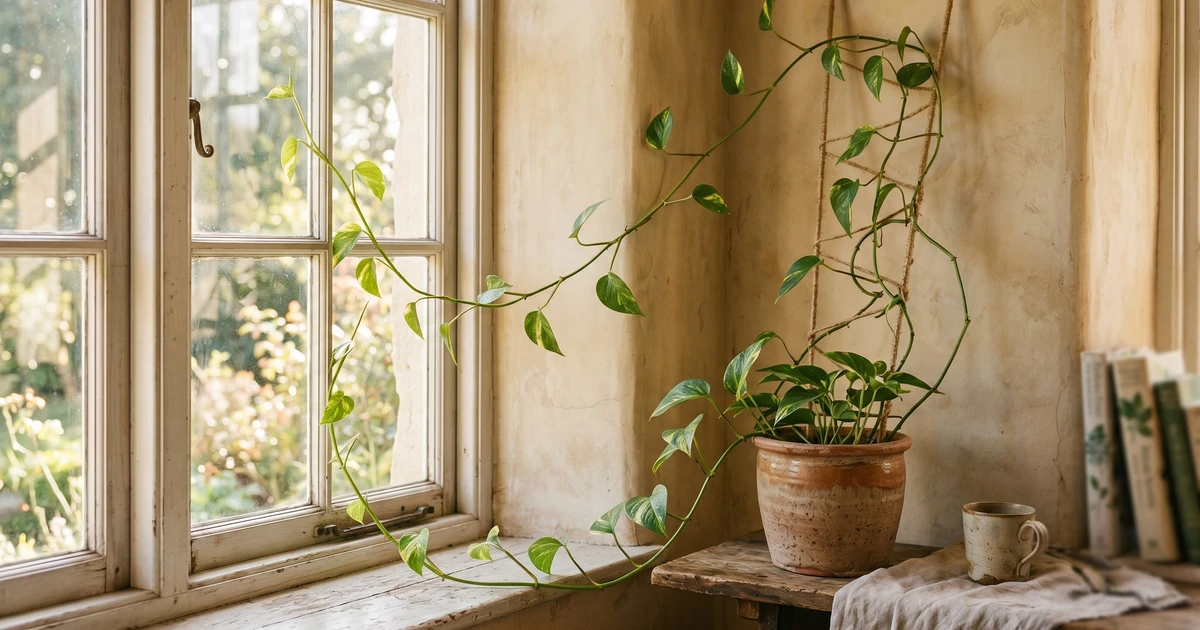
acclimation stress on Fruiting Indoor
Quick answer
If your Fruiting Indoor has acclimation stress, the most likely cause is: Moving indoor fruiting trees to a balcony exposes them to harsh desiccation from wind and high-intensity direct sun. Without gradual acclimation, plants suffer from sunburn, rapid leaf drop, and petal blast. Wind also increases evaporation rates, often outpacing indoor-sized root systems uptake capacity.
Start here:
- 1. Implement vertical layering: place sun-hardy plants on top to shade tender varieties below.
- 2. Acclimate over 1-2 weeks: start with 1 hour of morning sun, increasing daily.
Why Fruiting Indoor gets acclimation stress
Various species
Moving indoor fruiting trees to a balcony exposes them to harsh desiccation from wind and high-intensity direct sun. Without gradual acclimation, plants suffer from sunburn, rapid leaf drop, and petal blast. Wind also increases evaporation rates, often outpacing indoor-sized root systems uptake capacity.
How to reverse acclimation stress on Fruiting Indoor
- 1
Implement vertical layering: place sun-hardy plants on top to shade tender varieties below.
- 2
Acclimate over 1-2 weeks: start with 1 hour of morning sun, increasing daily.
- 3
Use humidity domes or cloches during the first week to reduce transpiration shock.
- 4
Group plants closely to support each other against wind and create a shared humid microclimate.
- 5
Apply pine bark mulch to preserve soil moisture in hot balcony environments.
Keep acclimation stress off this Fruiting Indoor
Assess balcony microclimate sun hours and wind severity before placement. Secure light pots to prevent tipping in wind storms. Install automated weather sensors for wind and heat alerts.