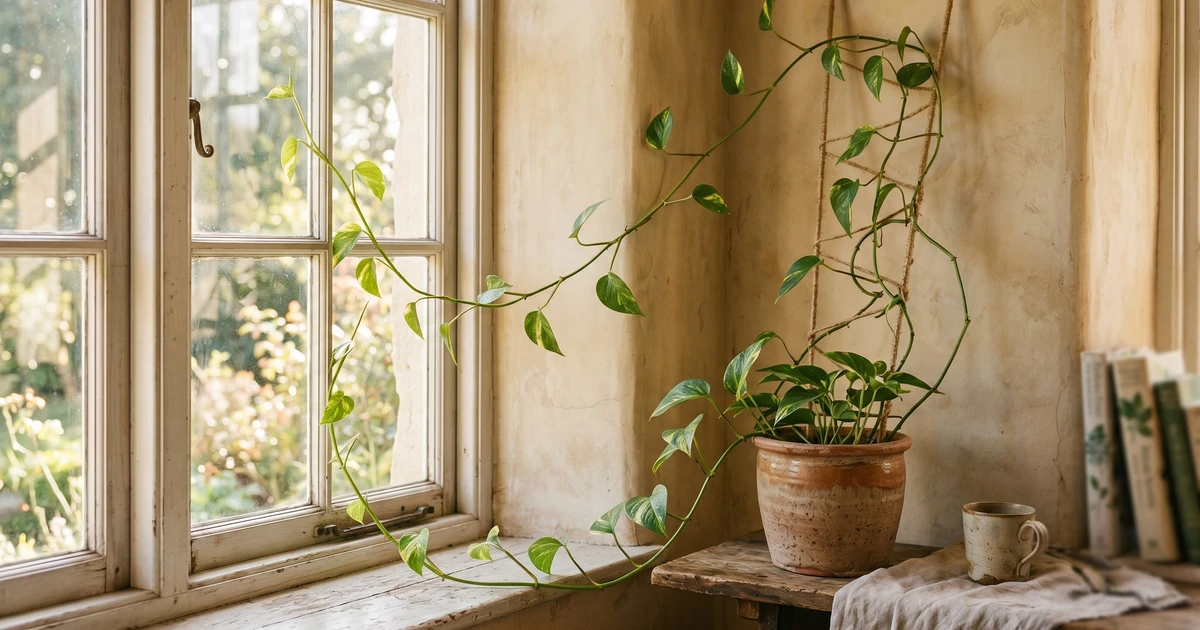
Houseplant: repotting stress
Quick answer
repotting stress for Houseplant: Repotting stress in houseplants occurs when root systems are disturbed — the carefully calibrated water and nutrient uptake equilibrium is disrupted, causing transient wilting, yellowing, or stalled growth for 2-6 weeks. Root tips (meristematic zones) are particularly sensitive to physical damage, absorbing water and nutrients at 3x the rate of older roots.
Start here:
- 1. Repot when roots circle the pot or emerge from drainage holes — typically every 12-18 months for most houseplants
- 2. Choose new pot 1-2 inches larger in diameter than current pot — oversizing causes waterlogging
Why repotting stress matters for Houseplant
Repotting stress in houseplants occurs when root systems are disturbed — the carefully calibrated water and nutrient uptake equilibrium is disrupted, causing transient wilting, yellowing, or stalled growth for 2-6 weeks. Root tips (meristematic zones) are particularly sensitive to physical damage, absorbing water and nutrients at 3x the rate of older roots.
How to handle repotting stress on Houseplant
- 1
Repot when roots circle the pot or emerge from drainage holes — typically every 12-18 months for most houseplants
- 2
Choose new pot 1-2 inches larger in diameter than current pot — oversizing causes waterlogging
- 3
Water plant 1-2 days before repotting to hydrate roots and make root ball easier to handle
- 4
Gently loosen outer roots with fingers; trim any that are black or mushy
- 5
Add fresh chunky aroid mix to new pot, place plant at same depth as before (never bury stem)
- 6
Water thoroughly after repotting, then withhold for 5-7 days to reduce transplant stress
- 7
Keep in consistent light and temperature; expect 2-6 weeks of adjustment before new growth
Keeping Houseplant on track
Repot only when roots are circling, emerging from drainage holes, or plant shows signs of being pot-bound. Handle root ball gently. Repot in same depth as before — never bury stem.