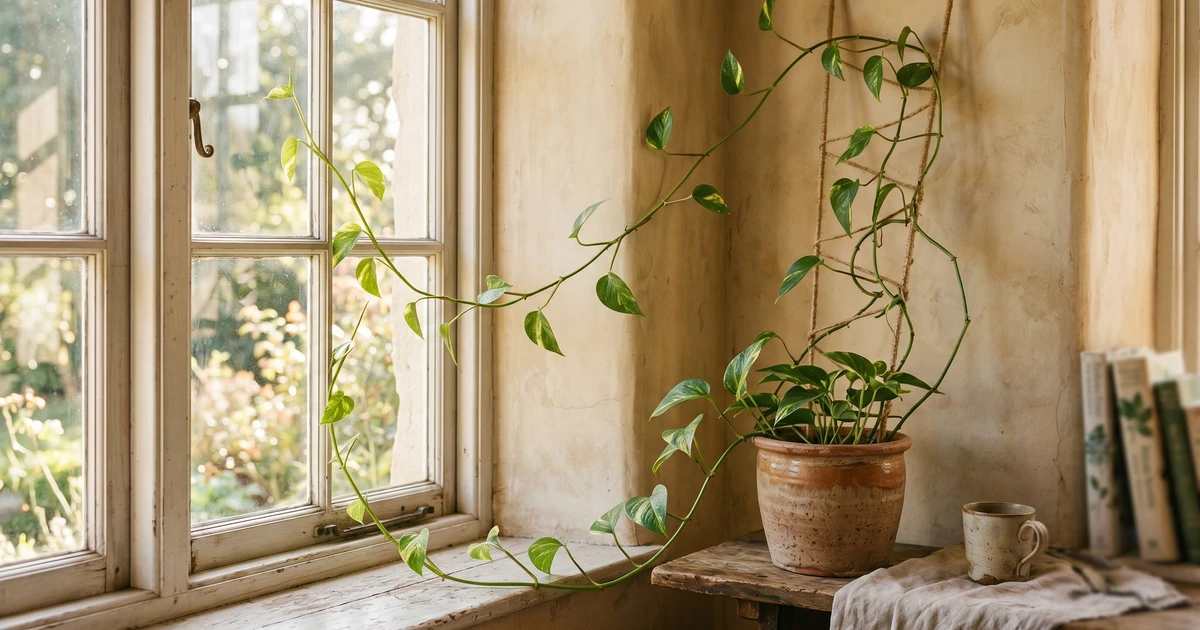
root rot oversized pot on Monstera Adansonii
Quick answer
If your Monstera Adansonii has root rot oversized pot, the most likely cause is: Monstera adansonii root rot frequently stems from oversized pot syndrome, where the root ball occupies less than 40% of the container volume. The excess soil creates a perched water table that remains saturated for weeks despite the surface appearing dry. Aroids like adansonii evolved with minimal soil contact in their native epiphytic habitat; their fine root hairs cannot extract oxygen from waterlogged soil zones, triggering anaerobic bacterial growth that spreads upward into viable roots. This explains why root rot develops even with careful watering schedules.
Start here:
- 1. Assess root-to-soil ratio: Healthy roots should fill 70-80% of pot volume; if below 40%, pot is too large
- 2. Downsize immediately: Select a pot where roots touch the bottom and sides with only 1 inch clearance
Why Monstera Adansonii gets root rot oversized pot
Monstera adansonii
Monstera adansonii root rot frequently stems from oversized pot syndrome, where the root ball occupies less than 40% of the container volume. The excess soil creates a perched water table that remains saturated for weeks despite the surface appearing dry. Aroids like adansonii evolved with minimal soil contact in their native epiphytic habitat; their fine root hairs cannot extract oxygen from waterlogged soil zones, triggering anaerobic bacterial growth that spreads upward into viable roots. This explains why root rot develops even with careful watering schedules.
How to reverse root rot oversized pot on Monstera Adansonii
- 1
Assess root-to-soil ratio: Healthy roots should fill 70-80% of pot volume; if below 40%, pot is too large
- 2
Downsize immediately: Select a pot where roots touch the bottom and sides with only 1 inch clearance
- 3
Soil amendment: Create airy aroid mix (40% potting soil, 30% perlite, 30% bark) to maximize drainage in remaining soil volume
- 4
Root inspection: While downsizing, check for early rot signs (brown tips, mushy sections) and trim if present
- 5
Adjust watering: With less soil volume, water less frequently; use finger test at 2-inch depth before each watering
- 6
Monitor for 4-6 weeks: Expect improved growth and reduced leaf drop as roots establish in appropriately sized container
Keep root rot oversized pot off this Monstera Adansonii
Match pot diameter to root spread with no more than 1-2 inches of clearance; choose clear nursery pots to visually confirm root fill; refresh soil annually as organic matter breaks down and compacts; use terracotta or unglazed ceramic to wick excess moisture through porous walls; never repot into containers more than one size up from current root dimensions.