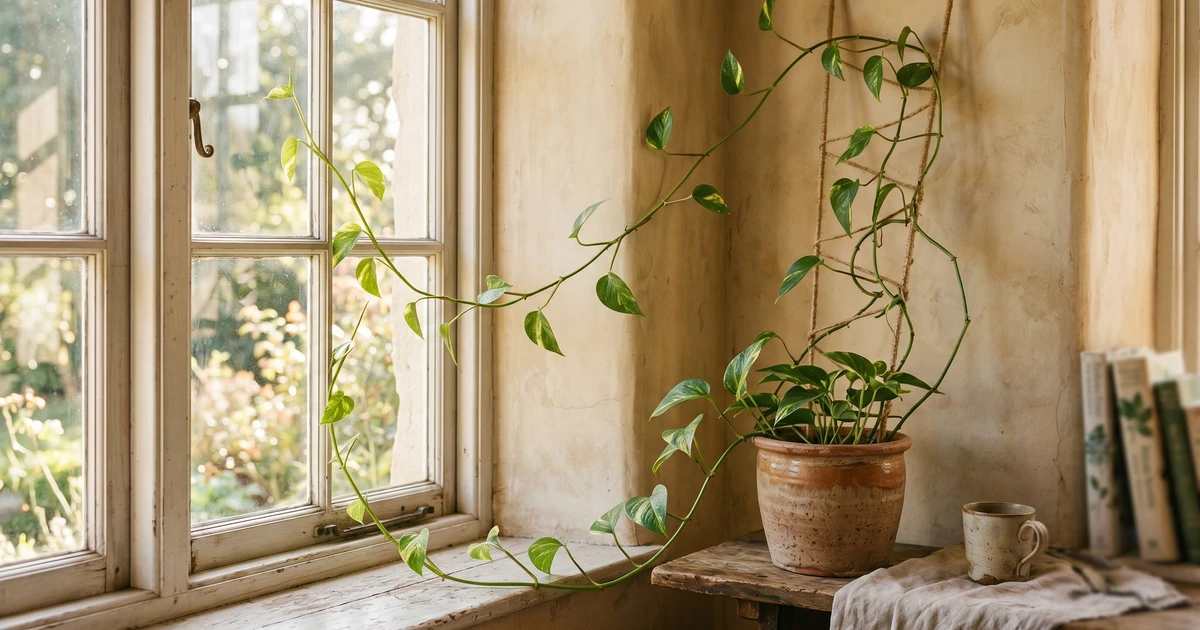
Monstera Deliciosa: traditional care
Quick answer
Monstera deliciosa evolved as a tropical rainforest epiphyte with specific biological adaptations documented in scientific literature: efficient wax-based transpiration barriers (PMID 35988126), conformal growth mapping for climbing (PMID 36461954), and high-capacity non-photochemical quenching mechanisms for variable light (PMID 32931722). Traditional care practices developed to mimic these natural conditions.
Start here:
- 1. Use aroid mix: 40% potting soil, 30% orchid bark, 20% perlite, 10% coco coir for drainage and root aeration
- 2. Water thoroughly when top 2-3 inches dry; reduce frequency 50% in winter dormancy
traditional care for Monstera Deliciosa
Monstera deliciosa
Monstera deliciosa evolved as a tropical rainforest epiphyte with specific biological adaptations documented in scientific literature: efficient wax-based transpiration barriers (PMID 35988126), conformal growth mapping for climbing (PMID 36461954), and high-capacity non-photochemical quenching mechanisms for variable light (PMID 32931722). Traditional care practices developed to mimic these natural conditions.
How to handle traditional care on Monstera Deliciosa
- 1
Use aroid mix: 40% potting soil, 30% orchid bark, 20% perlite, 10% coco coir for drainage and root aeration
- 2
Water thoroughly when top 2-3 inches dry; reduce frequency 50% in winter dormancy
- 3
Provide moss pole or coir support for vertical growth - secure aerial roots to encourage mature fenestrated leaves
- 4
Group plants or use humidity trays to maintain 60-80% RH; mist leaves if humidity below 50%
- 5
Fertilize at 1/4 strength during growing season only; flush soil monthly to prevent salt buildup per PMID 36058279 sensitivity data
Ongoing Monstera Deliciosa notes
Maintain bright indirect light (mimics forest canopy dappled light), humidity 60-80% (matches native tropical conditions), well-draining aroid mix with organic matter, and provide vertical support structures that replicate tree climbing opportunities.
Other Monstera Deliciosa problems
Go Deeper
This is covered in-depth in the monstera deliciosa Mastery Pack — structured modules with video walkthroughs, advanced protocols, and rescue timelines.
Get the Mastery Pack — $37 →