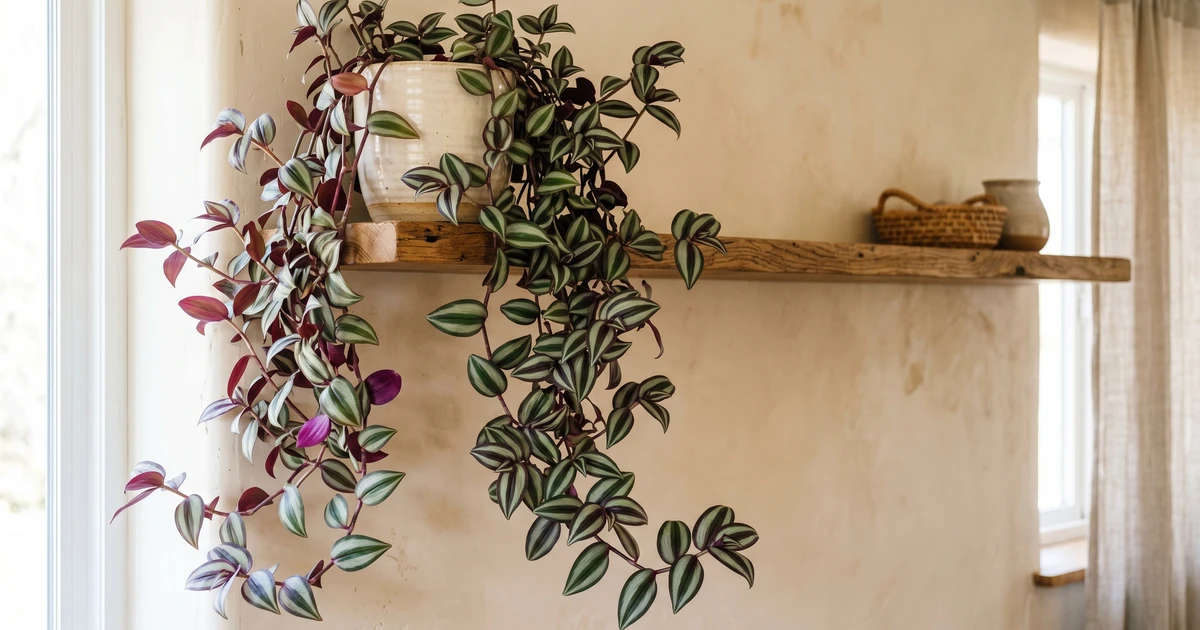
root rot recovery on Orchid
Quick answer
If your Orchid has root rot recovery, the most likely cause is: Orchid root rot recovery occurs when fine feeder roots are trimmed post-rot, leaving the plant with insufficient root mass for normal water/nutrient uptake. The plant enters a stress-recovery phase prioritizing new root initiation over leaf growth or flowering, requiring 3-6 months to rebuild functional root systems from the base of the newest growth.
Start here:
- 1. Set orchid in clear pot with roots suspended above media to encourage aerial root growth
- 2. Implement passive wicking: suspend basket in jar of water for consistent humidity without manual watering
Why Orchid gets root rot recovery
Phalaenopsis spp.
Orchid root rot recovery occurs when fine feeder roots are trimmed post-rot, leaving the plant with insufficient root mass for normal water/nutrient uptake. The plant enters a stress-recovery phase prioritizing new root initiation over leaf growth or flowering, requiring 3-6 months to rebuild functional root systems from the base of the newest growth.
How to reverse root rot recovery on Orchid
- 1
Set orchid in clear pot with roots suspended above media to encourage aerial root growth
- 2
Implement passive wicking: suspend basket in jar of water for consistent humidity without manual watering
- 3
Apply dilute rooting hormone (Superthrive at 1 drop/gallon) at crown sparingly
- 4
Avoid fertilizing until 3+ new roots reach 2 inches; then use 1/4 strength orchid fertilizer
- 5
Expect 3-6 months for functional root recovery; do not force flowering during this period
Keep root rot recovery off this Orchid
After root rot, withhold watering for 5-7 days post-repot to allow cut surfaces to callus. Use wicking systems for consistent passive watering that prevents re-saturation. Maintain 60-80% RH to reduce transpiration demand while root mass is reduced.