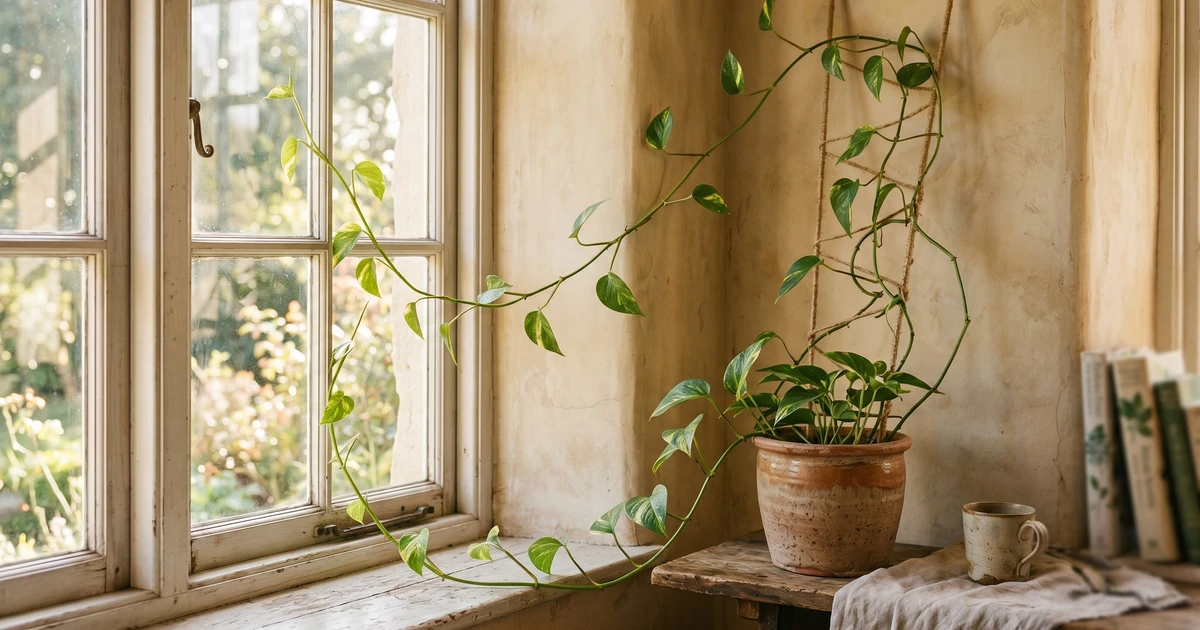
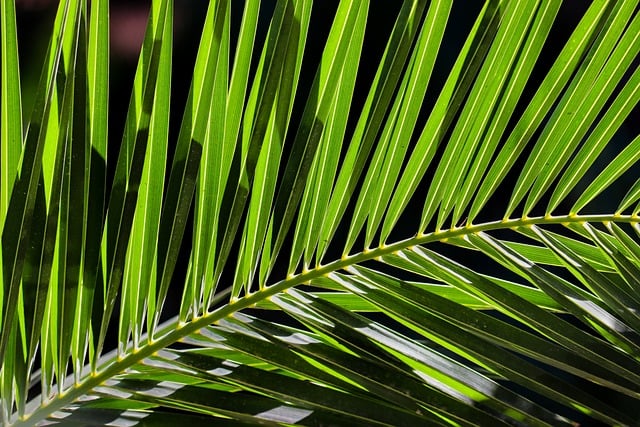
parlor palm
Chamaedorea elegans
Evidence-based care guide for Parlor Palm (Chamaedorea elegans). Covers symptom diagnosis, disease treatment, pest control, propagation methods, watering and lighting. Our analysis draws from 29 verified community cases with an average confidence score of 87%. Each protocol is synthesized from real rescue outcomes, not generic advice.
Care Essentials
Get to Know Your Parlor Palm
Watch the humidity — a little extra moisture in the air goes a long way with this plant.
Light
bright indirect
Wants bright, indirect light — sensitive to both extremes. Too much direct sun causes burns, too little causes stretching.
💡 Grow lights: Thrives under artificial grow lights (LED or fluorescent, 10-12 hours/day). A great option if your space lacks natural light.
Watering
every 7-10 days
Water when the top 1-2 inches of soil feel dry. Adjust with the seasons — less in winter, more in summer.
Humidity & Temperature
Loves higher humidity (60%+). If your air is dry, group it with other plants, use a pebble tray, or run a humidifier nearby.
Sensitive to cold — keep above 55°F (13°C). Avoid placing near drafty windows or exterior doors in winter.
Soil
Needs well-draining soil — add perlite or orchid bark to a standard potting mix. Good drainage is critical to prevent root rot.
Care Requirements
At a Glance
Care Profile in Development
While our detailed care profile is being compiled, you can find specific care guidance in the 4 care-related diagnoses below — including watering schedules, light requirements, and propagation methods from real-world cases.
Start Here
Most Common Problems
Based on 29 analyzed cases — these are the issues you're most likely to encounter
Don't see your symptom? Search all 26 topics below, or run the Diagnostic.
Why are my Parlor Palm leaves turning yellow?
Low light reduces photosynthesis and transpiration, causing soil to stay wet...
Does my Parlor Palm need more humidity?
Parlor palms are native to tropical rainforest understories where humidity...
Is my Parlor Palm suffering from cold damage?
Parlor Palms are tropical plants adapted to consistent 65-80°F temperatures....
Why does my Parlor Palm have spider mites?
Spider mites (Tetranychus urticae) thrive in the dry air typical of heated...
Parlor Palm: Transplant Shock
Parlor palms are sensitive to root disturbance and often experience transplant...
Which of the 7 Killers
is threatening your plants?
We analyzed 1,616 documented plant deaths to identify the 7 causes behind 78% of all losses. Answer 5 questions — we'll tell you exactly which ones apply to your setup.
Skip the quiz — get The 7 Killers course ($19) →Question 1 of 5
How do you decide when to water your plants?
Question 2 of 5
Where do most of your plants live?
Question 3 of 5
What's your home environment like?
Question 4 of 5
Have you lost a plant in the last 6 months?
Question 5 of 5
How often do you check your plants for pests?
Your diagnosis is ready
We've identified your top 2 risk killers. Enter your email to see the full breakdown and your personalized rescue protocol.
Your plants are most at risk from:

The 7 Killers mini-course covers every one of these in depth — mechanism, rescue protocol, prevention. 1,616 cases. 7 lessons. $19.
Get The 7 Killers — $19 →Get the Plant Mortality Checklist
The 7 killers behind 78% of houseplant deaths — and the exact fix for each. Free PDF based on 1,616 documented cases.
Your checklist is ready!
We also sent it to your inbox. Check your email for the full download.
Open the ChecklistFree. No spam. Unsubscribe anytime.
Verified Data
All Diagnoses
26 topics consolidated from 29 documented cases. Expand any topic to see all protocols.
Symptoms (5 topics · 6 cases)
Why do my Parlor Palm leaves have brown tips?
Parlor Palm fronds develop brown, necrotic tips when exposed to tap water containing fluoride and chlorine
86%
Why do my Parlor Palm leaves have brown tips?
Parlor Palm fronds develop brown, necrotic tips when exposed to tap water containing fluoride and chlorine
Cause
Parlor Palm fronds develop brown, necrotic tips when exposed to tap water containing fluoride and chlorine. These chemicals accumulate in leaf tissue over time, causing delayed tip necrosis on new growth. The palm's fine root hairs absorb ions via transpiration, concentrating toxins at leaf margins where water evaporates. Damage appears weeks after switching water sources.
Solutions
- Switch immediately to filtered, distilled, or rainwater for all watering
- Flush soil thoroughly with distilled water (2x pot volume) to leach accumulated fluoride/chlorine salts
- Trim affected brown tips with sterile scissors—cut along natural leaf margin to maintain appearance
- Maintain 50-60% humidity via pebble tray or humidifier to reduce transpiration stress
- Monitor new growth for 2-4 weeks; healthy new fronds confirm successful intervention
Prevention
Use filtered, distilled, or rainwater with TDS below 50ppm for all watering. If tap water is necessary, let it sit uncovered for 24 hours to allow chlorine to evaporate. Flush soil monthly with distilled water to leach accumulated salts from fertilizer.
What are these brown spots on my Parlor Palm?
Brown spots on parlor palm leaves are frequently misdiagnosed as fungal infections when they are actually caused by spider mites or other piercing-sucking pests
90%
What are these brown spots on my Parlor Palm?
Brown spots on parlor palm leaves are frequently misdiagnosed as fungal infections when they are actually caused by spider mites or other piercing-sucking pests
Cause
Brown spots on parlor palm leaves are frequently misdiagnosed as fungal infections when they are actually caused by spider mites or other piercing-sucking pests. Mites feed on leaf cells, causing characteristic stippling—tiny yellow or brown dots that coalesce into larger brown patches. Unlike fungal spots (which often have defined margins and may appear water-soaked), mite damage shows as diffuse bronzing, especially on leaf undersides.
Solutions
- Inspect leaf undersides with a magnifying glass for tiny moving specks or fine webbing
- Perform the 'paper towel test'—wipe leaf undersides with a white paper towel; red/orange streaks indicate mites
- Treat with neem oil or insecticidal soap weekly for 3-4 weeks, ensuring coverage of leaf undersides
- Increase humidity immediately—mites cannot reproduce above 60% humidity
- Consider predatory mites (Phytoseiulus persimilis) for severe infestations
- Isolate affected plants to prevent spread
Prevention
Quarantine new plants for 2-3 weeks. Maintain 50-60% humidity. Inspect leaf undersides weekly during dry winter months when mites are most active.
Why do my Parlor Palm leaves have brown tips?
Browning leaf tips in palms often target oldest (lowest) leaves first when underwatered, or uniform tips when humidity is <40%
90%
Why do my Parlor Palm leaves have brown tips?
Browning leaf tips in palms often target oldest (lowest) leaves first when underwatered, or uniform tips when humidity is <40%
Cause
Browning leaf tips in palms often target oldest (lowest) leaves first when underwatered, or uniform tips when humidity is <40%.
Solutions
- Increase watering frequency to maintain evenly moist soil, but ensure drainage.
- Flush salts: Run pot under lukewarm shower for 2-3 minutes to dissolve mineral buildup from hard water.
- Increase ambient humidity to 50-60% using a pebble tray or humidifier.
Prevention
Avoid rigid schedules; use the 'finger test' to check moisture daily.
Why is my Parlor Palm wilting?
Drooping fronds in parlor palms typically indicate underwatering or transplant shock
84%
Why is my Parlor Palm wilting?
Drooping fronds in parlor palms typically indicate underwatering or transplant shock
Cause
Drooping fronds in parlor palms typically indicate underwatering or transplant shock. Unlike root rot (which causes yellowing and mushy stems), underwatering causes the plant to draw moisture from leaf cells, leading to loss of turgor pressure and drooping. This often occurs when owners misinterpret 'parlor palms like humidity' as 'keep soil constantly wet' and then overcorrect by underwatering.
Solutions
- Check soil moisture: if top 2-3 inches are dry, water thoroughly until water drains from bottom
- For severely dry soil that repels water, bottom-water by placing pot in a sink of water for 30-60 minutes
- Trim any completely dried, crispy fronds at the base
- Move to location with bright indirect light to support recovery
- Maintain humidity at 50-60% to reduce further moisture loss through leaves
Prevention
Use a soil moisture meter to remove guesswork. Water when top 2 inches are dry, not on a rigid schedule. Adjust frequency seasonally—more in summer, less in winter.
Why are my Parlor Palm leaves turning yellow?
Low light reduces photosynthesis and transpiration, causing soil to stay wet longer
2 protocols
90–92%
Why are my Parlor Palm leaves turning yellow?
Low light reduces photosynthesis and transpiration, causing soil to stay wet longer
Protocol 1: yellow leaves · 92% confidence
Cause
Low light reduces photosynthesis and transpiration, causing soil to stay wet longer. This creates a vicious cycle: less light = slower water uptake = wetter soil = root stress = yellowing leaves. Many beginners place parlor palms in dim corners thinking they are 'low light' plants, but they need bright indirect light to thrive.
Solutions
- Move plant within 2 feet of an east- or west-facing window for bright indirect light
- Check roots for rot if soil has been wet: trim black/mushy roots and repot in fresh well-draining mix
- Allow top 2-3 inches of soil to dry between waterings
- Use a soil probe or wooden skewer to check moisture at root level, not just surface
Prevention
Match watering frequency to light intensity—plants in low light need less water. Use the 'chopstick test' weekly to verify soil dryness before watering.
Protocol 2: yellow leaves · 90% confidence
Cause
While yellow leaves in parlor palms often indicate overwatering, a distinct pattern of uniform light green to yellow foliage—especially on older leaves—signals nitrogen deficiency. This is common in plants that have been in the same potting mix for over a year, as palms are moderate feeders. The deficiency is exacerbated in winter when growth slows but nutrients are still depleted. As a moderate feeder with a continuous growth habit, genetic studies (PMID: 31048845) highlight its highly heritable but demanding growth rate. A lack of regular fertilization severely restricts its ability to compensate for older leaf senescence.
Solutions
- Apply a balanced, diluted liquid fertilizer (e.g., 20-20-20 at half strength) every 4-6 weeks during growing season
- If fertilizing in winter when plant is still putting out new growth, use quarter strength to avoid burn
- For magnesium deficiency (yellowing between leaf veins), apply Epsom salt solution (1 tsp per gallon) monthly
- Consider repotting in fresh, nutrient-rich palm soil if plant has not been repotted in 2+ years
- Use grow lights in winter to maintain active growth and nutrient uptake
Prevention
Feed regularly during spring and summer with palm-specific fertilizer. Flush soil quarterly to prevent salt buildup. Repot every 2-3 years with fresh mix.
Diseases (2 topics · 2 cases)
What disease does my Parlor Palm have?
Fungal issues in parlor palms fall into two categories: harmless saprophytic mycelium (white, web-like growth on soil) and pathogenic leaf spot fungi (black/brown spots on leaves)
91%
What disease does my Parlor Palm have?
Fungal issues in parlor palms fall into two categories: harmless saprophytic mycelium (white, web-like growth on soil) and pathogenic leaf spot fungi (black/brown spots on leaves)
Cause
Fungal issues in parlor palms fall into two categories: harmless saprophytic mycelium (white, web-like growth on soil) and pathogenic leaf spot fungi (black/brown spots on leaves). Mycelium appears when soil stays moist for extended periods and is actually beneficial—it indicates healthy organic matter decomposition. Leaf spot fungi typically enter through wounds or spread via water splash in humid, stagnant conditions. Fungal resilience is hindered by the plant's inherently low genetic capacity to compensate for leaf damage (PMID: 31048845), making prevention far more critical than treatment.
Solutions
- For soil mycelium: Mix 1 part 3% hydrogen peroxide with 3 parts water and spray on soil surface—it will fizz and disappear
- For leaf spots: Remove affected leaves with clean scissors and dispose in sealed bag
- Improve air circulation with a fan to prevent stagnant humidity
- Avoid misting leaves; use a humidifier instead to raise humidity without wetting foliage
- Apply neem oil as a preventive antifungal treatment
- Water at soil level, not over leaves, to prevent splash transmission
Prevention
Maintain 50-60% humidity with good airflow. Use well-draining soil and avoid overwatering. Remove dead plant debris promptly. Sterilize tools between plants.
Why does my Parlor Palm have root rot?
Root rot in parlor palms typically stems from overwatering combined with poor drainage
91%
Why does my Parlor Palm have root rot?
Root rot in parlor palms typically stems from overwatering combined with poor drainage
Cause
Root rot in parlor palms typically stems from overwatering combined with poor drainage. These palms need consistently moist—but never soggy—soil. Oversized pots are a common culprit: excess soil volume retains moisture around the roots, creating anaerobic conditions where rot-causing pathogens thrive. Symptoms include yellowing, wilting, and stems pulling easily from the soil with no roots attached.
Solutions
- Unpot the plant and inspect roots: healthy roots are white/firm, rotted roots are black/mushy
- Trim all rotted roots with sterilized shears
- Repot in a container only 1-2 inches larger than the root ball
- Use well-draining soil: standard potting mix with 30-50% perlite or pumice
- Ensure pot has drainage holes; terracotta can help wick excess moisture
- Water only when top 2-3 inches of soil are dry
Prevention
Use the 'finger test' before watering. Choose appropriately sized pots—parlor palms prefer to be slightly rootbound. Avoid decorative pots without drainage.
Pests (3 topics · 3 cases)
Why does my Parlor Palm have fungus gnats?
Fungus gnats are small flying insects that thrive in consistently moist soil—exactly the conditions parlor palms prefer
79%
Why does my Parlor Palm have fungus gnats?
Fungus gnats are small flying insects that thrive in consistently moist soil—exactly the conditions parlor palms prefer
Cause
Fungus gnats are small flying insects that thrive in consistently moist soil—exactly the conditions parlor palms prefer. While adult gnats are harmless and annoying, their larvae feed on organic matter and fine root hairs, potentially stressing the plant. The presence of gnats usually indicates soil that is staying wet for too long.
Solutions
- Allow top 1-2 inches of soil to dry between waterings—this kills larvae and deters adults from laying eggs
- Use yellow sticky traps to catch adult gnats and monitor population
- Apply beneficial nematodes (Steinernema feltiae) or Bacillus thuringiensis israelensis (BTI) to soil to kill larvae
- Top dress soil with a 1-inch layer of sand or diatomaceous earth to prevent adults from accessing soil
- Consider repotting in fresh, well-draining mix if infestation is severe
Prevention
Avoid overwatering. Ensure good drainage. Let soil surface dry between waterings. Quarantine new plants to prevent introducing gnats.
What pests are on my Parlor Palm?
Parlor Palms are relatively pest-resistant compared to other houseplants due to their tropical understory adaptations
87%
What pests are on my Parlor Palm?
Parlor Palms are relatively pest-resistant compared to other houseplants due to their tropical understory adaptations
Cause
Parlor Palms are relatively pest-resistant compared to other houseplants due to their tropical understory adaptations. However, they can harbor scale insects (white, puffy specs on frond undersides), mealybugs, and spider mites when stressed by low humidity, poor light, or overwatering. Healthy palms in optimal conditions rarely develop significant pest issues.
Solutions
- Inspect fronds monthly: Check undersides with magnifying glass for scale, webbing, or cottony mealybug masses
- Isolate new plants for 14 days before placing near existing collection
- Treat early infestations with neem oil or insecticidal soap applied to all frond surfaces
- Address underlying stress: Improve light, humidity, or watering to boost natural resistance
- Wipe fronds monthly with damp cloth to remove dust and deter pest establishment
- For severe infestations, use systemic insecticide as last resort following label instructions
Prevention
Maintain plant health through proper light, humidity (50%+), and watering. Inspect monthly with magnifying glass. Quarantine new plants for 2 weeks. Wipe fronds monthly to deter pests.
Why does my Parlor Palm have spider mites?
Spider mites (Tetranychus urticae) thrive in the dry air typical of heated indoor environments
94%
Why does my Parlor Palm have spider mites?
Spider mites (Tetranychus urticae) thrive in the dry air typical of heated indoor environments
Cause
Spider mites (Tetranychus urticae) thrive in the dry air typical of heated indoor environments. Parlor palms are particularly susceptible because their native tropical understory habitat requires 50-60% humidity, while most homes stay below 40%. Mites reproduce rapidly in warm, dry conditions, often going unnoticed until fine webbing appears on leaf undersides.
Solutions
- Isolate the plant immediately to prevent spread
- Shower the entire plant with lukewarm water, focusing on leaf undersides to dislodge mites
- Apply neem oil or insecticidal soap weekly for 3-4 weeks, covering all leaf surfaces
- Increase humidity to 50-60% using a humidifier or pebble tray—this alone deters mites
- Inspect weekly with a magnifying glass; look for stippling (tiny yellow dots) on leaves
Prevention
Maintain humidity above 50% year-round. Quarantine new plants for 2-4 weeks. Weekly leaf inspections during dry winter months catch infestations early.
Watering Issues (3 topics · 3 cases)
Is my Parlor Palm underwatered?
Parlor Palm fronds develop crispy brown tips and edges when underwatered or exposed to hot, dry air
82%
Is my Parlor Palm underwatered?
Parlor Palm fronds develop crispy brown tips and edges when underwatered or exposed to hot, dry air
Cause
Parlor Palm fronds develop crispy brown tips and edges when underwatered or exposed to hot, dry air. The plant lacks succulent water storage tissue and depends on consistent soil moisture. Inconsistent watering that allows soil to dry completely causes cell dehydration in frond margins where water loss is highest.
Solutions
- Check soil moisture 2 inches deep; if completely dry, water thoroughly until water drains from bottom
- Soak pot in water for 30 minutes if soil has become hydrophobic and resists water
- Trim crispy brown tips with sterile scissors, cutting along natural leaf shape
- Increase humidity to 50%+ to reduce further moisture loss from fronds
- Establish consistent watering schedule: check soil twice weekly and water when dry 2 inches down
Prevention
Water when top 2 inches of soil are dry but before soil becomes bone dry. Use well-draining palm mix that retains some moisture. Maintain 50-60% humidity to reduce water loss through fronds.
How often should I water my Parlor Palm?
Parlor Palms require consistent moisture but cannot tolerate waterlogging
85%
How often should I water my Parlor Palm?
Parlor Palms require consistent moisture but cannot tolerate waterlogging
Cause
Parlor Palms require consistent moisture but cannot tolerate waterlogging. The optimal schedule balances soil drying between waterings without allowing complete desiccation. Watering every 7-10 days is typical, but frequency must adjust based on light levels, humidity, pot size, and season. Overwatering frequency (not volume) causes root rot; underwatering causes crispy tips.
Solutions
- Test soil moisture: Insert finger or skewer 2 inches deep; water only if dry
- Water thoroughly until 10-20% drains from bottom—ensures even moisture throughout root zone
- Empty drainage saucer after 30 minutes to prevent root sitting in water
- Adjust frequency based on conditions: low light = less frequent; high humidity = less frequent
- Reduce watering by 30-50% in winter when growth slows
- Use room-temperature water to avoid shocking roots
Prevention
Use finger test or wooden skewer: water only when top 2 inches are dry. Adjust schedule seasonally—less frequent in winter, more in summer. Use well-draining palm mix and pots with drainage holes. Never water on fixed calendar schedule.
Why are my Parlor Palm leaves turning yellow?
Parlor Palm fronds yellow due to overwatering in low-light conditions (<500 lux), where reduced transpiration prolongs soil moisture
85%
Why are my Parlor Palm leaves turning yellow?
Parlor Palm fronds yellow due to overwatering in low-light conditions (<500 lux), where reduced transpiration prolongs soil moisture
Cause
Parlor Palm fronds yellow due to overwatering in low-light conditions (<500 lux), where reduced transpiration prolongs soil moisture. Oversized pots retain excess water, and surface-level moisture meter readings mask deeper saturation. Low photosynthesis reduces water uptake needs, causing root hypoxia and nutrient lockout.
Solutions
- Probe soil deeply with chopstick or skewer to full pot depth—water only if no soil clings
- Relocate to brighter indirect light (east-facing window ideal) or add grow light for 12-14 hours daily
- Repot into container matching root ball size using well-draining palm mix with perlite/bark
- Trim yellow fronds at base once fully dry to reduce pathogen risk
- Withhold fertilizer for 4-6 weeks until plant stabilizes
Prevention
Match watering frequency to light intensity: water only when top 2 inches are dry using finger test or wooden skewer. Provide 4-6 hours of bright indirect light (1000-2500 lux) or supplement with grow lights. Use pots only 1-2 inches larger than root ball to prevent waterlogging.
Environment (3 topics · 5 cases)
Is my Parlor Palm suffering from cold damage?
Parlor Palms are tropical plants adapted to consistent 65-80°F temperatures
2 protocols
78–85%
Is my Parlor Palm suffering from cold damage?
Parlor Palms are tropical plants adapted to consistent 65-80°F temperatures
Protocol 1: cold temperature stress · 85% confidence
Cause
Parlor Palms are tropical plants adapted to consistent 65-80°F temperatures. Exposure to cold drafts from windows, air conditioning vents, or entryways causes chilling injury, manifesting as dark brown or black spots on fronds. Temperatures below 55°F stress the plant and slow growth; below 45°F causes permanent tissue damage.
Solutions
- Move plant away from cold drafts, AC vents, or poorly insulated windows immediately
- Maintain stable temperature: Ideal range 65-80°F, minimum 60°F
- Increase humidity to 50-60% to help plant recover from temperature stress
- Trim severely damaged fronds at base once they turn completely brown
- Monitor for secondary issues: Cold-stressed palms are more susceptible to root rot and pests
- Resume normal care once temperature stabilizes—recovery takes 2-4 weeks
Prevention
Maintain consistent temperatures between 65-80°F year-round. Position away from cold windows in winter, air conditioning vents, and drafty doors. Avoid placing near heating vents that create hot, dry air.
Protocol 2: cold damage · 78% confidence
Cause
Parlor palms are tropical plants native to the warm understory of Central American rainforests. They have minimal cold tolerance and suffer damage when temperatures drop below 50°F (10°C). Frost causes ice crystals to form within leaf cells, rupturing cell walls and creating characteristic brown, desiccated fronds. Cold damage is often mistaken for underwatering or disease, but the timing (after a cold snap) and the pattern (affecting outer fronds first) are diagnostic.
Solutions
- Trim only fully brown, desiccated fronds at the base—leave partially green fronds for photosynthesis
- Move plant to a warm location (65-75°F) with bright indirect light
- Water sparingly during recovery to prevent root rot in weakened plant
- Maintain humidity at 50-60% to support recovery
- Monitor central growing point for 4-6 weeks—new growth indicates survival
- If the central spear is mushy, the plant may not recover
Prevention
Keep parlor palms indoors when temperatures drop below 55°F. Avoid placing near drafty windows in winter. Never leave outdoors unprotected in cold weather.
Does my Parlor Palm need more humidity?
Parlor palms are native to tropical rainforest understories where humidity consistently stays above 60%
2 protocols
85–93%
Does my Parlor Palm need more humidity?
Parlor palms are native to tropical rainforest understories where humidity consistently stays above 60%
Protocol 1: humidity · 93% confidence
Cause
Parlor palms are native to tropical rainforest understories where humidity consistently stays above 60%. Indoor environments, especially heated homes in winter, often drop below 30% humidity. This mismatch causes a cascade of issues: crispy leaf tips, increased spider mite susceptibility, stalled growth, and browning. The plant is not 'dying'—it is protesting dry air. Maintaining healthy foliage via proper humidity is vital, as clinical studies (PMID: 29407808) demonstrate that C. elegans is a powerhouse for phytoremediation, capable of removing 65-100% of formaldehyde from indoor air. Damaged, dry leaves significantly reduce this capacity.
Solutions
- Use a humidifier to maintain 50-60% humidity—this is the single most effective intervention
- Create a pebble tray: fill a saucer with pebbles and water, place pot on top (not in water)
- Group plants together to create a microclimate of elevated humidity
- Place in a bathroom with bright indirect light if it has adequate windows
- Avoid misting—it provides only temporary humidity increase and can promote fungal issues on leaves
Prevention
Monitor humidity with a hygrometer. Boost humidity before problems appear, especially when turning on heating in fall/winter. Select humidity-tolerant plants for very dry environments.
Protocol 2: low humidity damage · 85% confidence
Cause
Parlor Palms thrive in 50-70% humidity typical of tropical understory habitats. Indoor environments with heating or air conditioning often drop below 40% humidity, causing frond tips to brown and dry. Low humidity increases transpiration stress, compounding any underlying watering issues and making the plant more susceptible to spider mites.
Solutions
- Install humidifier near plant set to 50-60% humidity
- Create pebble tray: Fill saucer with pebbles and water; place pot on top (not in water)
- Group plants together to create humidity microclimate
- Mist fronds with room-temperature water in morning only—avoid evening misting
- Monitor with hygrometer and adjust seasonally as heating/cooling systems affect indoor humidity
Prevention
Maintain 50-60% humidity year-round using humidifiers, pebble trays, or plant grouping. Mist fronds lightly in morning hours only. Avoid placing near heating vents, fireplaces, or air conditioning units that create drafts.
Why does my Parlor Palm have sunburn?
Despite being tropical plants, parlor palms are understory species adapted to dappled, filtered light—not direct sun
82%
Why does my Parlor Palm have sunburn?
Despite being tropical plants, parlor palms are understory species adapted to dappled, filtered light—not direct sun
Cause
Despite being tropical plants, parlor palms are understory species adapted to dappled, filtered light—not direct sun. When placed in direct sunlight, especially through south- or west-facing windows, leaves develop bleached or brown crispy patches. This 'sunburn' damages chlorophyll and dries out leaf tissue rapidly. The damage is permanent on affected leaves.
Solutions
- Move plant immediately to a location with bright indirect light—east-facing windows are ideal
- If only option is south/west window, use sheer curtains to filter light or place 4-6 feet back
- Trim severely scorched leaves at the base—they will not recover
- Monitor for recovery signs in new growth over 2-4 weeks
- Increase humidity slightly to help stressed leaves retain moisture
Prevention
Understand 'bright indirect light' means the plant 'sees' the sky but does not receive direct sunbeams. Use a light meter app to verify 1000-2500 lux for optimal growth.
Growth & Structure (1 topics · 1 cases)
Why is my Parlor Palm becoming etiolated?
Parlor Palms exhibit etiolation (leggy, spreading growth with sparse fronds) when light levels fall below 1000 lux
88%
Why is my Parlor Palm becoming etiolated?
Parlor Palms exhibit etiolation (leggy, spreading growth with sparse fronds) when light levels fall below 1000 lux
Cause
Parlor Palms exhibit etiolation (leggy, spreading growth with sparse fronds) when light levels fall below 1000 lux. In chronically low light from north-facing windows or office fluorescents, the plant prioritizes lateral frond proliferation for maximal light capture rather than vertical growth. Reduced photosynthesis also lowers water needs, creating overwatering risk.
Solutions
- Relocate to brightest available indirect light immediately—east-facing window ideal
- Install full-spectrum grow light positioned 24-36 inches above fronds for 12-14 hours daily
- Support leggy stems with bamboo stakes and soft ties to prevent flopping while recovery occurs
- Increase watering interval—low light means low transpiration; check soil 2 inches deep before watering
- Expect 4-8 week adjustment period before new compact growth emerges
Prevention
Maintain bright indirect light year-round: 1000-2500 lux (east-facing window or 4-6 hours indirect light). Supplement with full-spectrum LED grow lights (12-14 hours/day, 24-36 inches above canopy) in low-light homes. Rotate plant quarterly for even growth.
Propagation (1 topics · 1 cases)
How do I propagate my Parlor Palm?
Parlor Palms produce basal offsets (pups) that can be separated for propagation
81%
How do I propagate my Parlor Palm?
Parlor Palms produce basal offsets (pups) that can be separated for propagation
Cause
Parlor Palms produce basal offsets (pups) that can be separated for propagation. However, the fibrous root system makes division challenging—roots are easily damaged during separation. Unlike pothos or philodendron, Parlor Palms cannot be propagated from leaf cuttings and must be divided at the root crown.
Solutions
- Identify divisions: Look for offsets with their own root systems emerging from base
- Unpot carefully: Gently remove plant and loosen soil to expose root crown
- Separate divisions: Use sterile knife to cut through root ball, ensuring each division has adequate roots
- Repot immediately: Plant divisions in fresh palm mix in appropriately sized pots
- Water sparingly: Keep soil lightly moist but not wet for first 2 weeks to prevent root rot
- Maintain high humidity: 60-70% humidity supports root recovery
- Expect adjustment: Divisions may droop initially; new growth in 4-6 weeks indicates success
Prevention
Propagate only when plant has multiple distinct stems with their own root systems. Spring is optimal timing when plant enters active growth. Water thoroughly 2 days before division to reduce shock.
Maintenance (2 topics · 2 cases)
How should I fertilize my Parlor Palm?
Parlor Palms are sensitive to fertilizer salts and chemicals
84%
How should I fertilize my Parlor Palm?
Parlor Palms are sensitive to fertilizer salts and chemicals
Cause
Parlor Palms are sensitive to fertilizer salts and chemicals. Excessive fertilization or using full-strength synthetic fertilizers causes root burn and tip necrosis. The fine, fibrous roots are particularly vulnerable to salt buildup, which draws water away from root tissues and causes chemical burns.
Solutions
- Stop all fertilization immediately
- Flush soil thoroughly with distilled water (3x pot volume) to leach accumulated salts
- Trim any fertilizer-burned brown tips with sterile scissors
- Resume fertilizing only after 2-3 months at 1/4 strength diluted in water
- Switch to organic alternatives like compost tea at half recommended strength
- Monitor new growth—healthy green fronds indicate recovery
Prevention
Use balanced liquid fertilizer at 1/4 strength every 6-8 weeks during growing season (spring/summer) only. Flush soil monthly with distilled water to leach salts. Avoid fertilizing stressed, newly repotted, or winter-dormant plants.
When should I repot my Parlor Palm?
Parlor Palms experience severe transplant shock when roots are disturbed during repotting
84%
When should I repot my Parlor Palm?
Parlor Palms experience severe transplant shock when roots are disturbed during repotting
Cause
Parlor Palms experience severe transplant shock when roots are disturbed during repotting. Unlike hardy houseplants, palms have sensitive, fibrous root systems that resent disturbance. The shock manifests as widespread yellowing fronds within 1-2 weeks, often mistaken for overwatering. The plant redirects energy to root repair, causing temporary nutrient deficiency symptoms above ground.
Solutions
- Resist cutting yellow fronds until completely dry—palms use all leaves for photosynthesis even when partially yellow
- Reduce watering to allow soil to fully dry between sessions; check moisture 2 inches deep
- Maintain stable environment: bright indirect light, 65-75°F, 50-60% humidity without drafts
- Avoid fertilizing for 6-8 weeks to prevent additional root stress
- Monitor patiently for 4-6 weeks; new growth indicates successful recovery
Prevention
Repot only when rootbound (roots circling pot) and minimize root disturbance—keep root ball intact. Spring is optimal timing. Water thoroughly 2 days before repotting to reduce transplant shock. Use palm-specific well-draining mix.
Biology & Advanced (1 topics · 1 cases)
Parlor Palm: Natural Frond Senescence
Parlor Palm fronds naturally senesce (age and die) from the bottom up as the plant matures
88%
Parlor Palm: Natural Frond Senescence
Parlor Palm fronds naturally senesce (age and die) from the bottom up as the plant matures
Cause
Parlor Palm fronds naturally senesce (age and die) from the bottom up as the plant matures. Lower, older fronds yellow and brown over 2-3 months as the plant reallocates nutrients and energy to new growth. This is a normal botanical process, not a health problem, and distinguishes from widespread yellowing indicating root issues.
Solutions
- Identify pattern: Only 1-2 oldest bottom fronds affected = natural senescence
- Allow fronds to fully yellow and dry before removing—plant reclaims nutrients from dying tissue
- Trim dry fronds at base with sterile scissors once completely brown and crispy
- Monitor new growth: Healthy emerging fronds from center confirm normal lifecycle
- If multiple fronds yellow simultaneously or yellowing progresses upward, investigate root health or light issues
Prevention
Accept natural senescence as part of palm growth. Maintain optimal care (proper light, watering, humidity) to support healthy new growth that replaces old fronds. Avoid over-fertilizing to force growth.
Other Topics (5 topics · 5 cases)
Parlor Palm: Common Problems
The two dominant parlor palm issues are interconnected: brown/crispy leaf tips from low humidity or fluoride toxicity, and root rot from overwatering
90%
Parlor Palm: Common Problems
The two dominant parlor palm issues are interconnected: brown/crispy leaf tips from low humidity or fluoride toxicity, and root rot from overwatering
Cause
The two dominant parlor palm issues are interconnected: brown/crispy leaf tips from low humidity or fluoride toxicity, and root rot from overwatering. Low humidity (<40% RH) causes marginal dehydration and tip necrosis. Fluoride and chlorine in tap water accumulate in leaf tissue over time, causing delayed tip burn visible weeks after exposure. Root rot from anaerobic soil conditions blocks vascular transport, causing yellowing fronds and floppy stems.
Solutions
- For brown tips: Switch to distilled/rainwater immediately; trim affected tips with clean scissors at an angle to mimic natural leaf shape
- For crispy edges: Increase humidity to 50-60% via humidifier or pebble tray—mist daily for quick relief
- For suspected root rot: Unpot plant, inspect roots—healthy roots are white/firm, rotting roots are brown/mushy/black
- Treat rot: Trim all affected roots with sterile shears, repot in fresh well-draining mix, reduce watering frequency
- Prevention: Use filtered water, maintain humidity above 50%, and ensure drainage holes in pot—never let plant sit in water
Prevention
Water quality is critical—parlor palms are fluoride-sensitive. Allow tap water to sit 24 hours before use, or use filtered/distilled water exclusively. Combine with adequate humidity to prevent both tip burn and desiccation stress.
Parlor Palm: Crispy Leaves
Crispy, dry leaf tips on parlor palms have two primary causes: low indoor humidity (below 40%) and mineral buildup from tap water
90%
Parlor Palm: Crispy Leaves
Crispy, dry leaf tips on parlor palms have two primary causes: low indoor humidity (below 40%) and mineral buildup from tap water
Cause
Crispy, dry leaf tips on parlor palms have two primary causes: low indoor humidity (below 40%) and mineral buildup from tap water. As tropical understory plants, parlor palms need 50-60% humidity. When air is too dry, leaf margins desiccate. Additionally, fluoride and salts in municipal water accumulate in leaf tips, causing 'tip burn' that mimics underwatering.
Solutions
- Increase humidity to 50-60% with a humidifier, pebble tray, or plant grouping
- Switch to filtered, distilled, or rainwater to eliminate mineral buildup
- Let tap water sit 24 hours before using to allow chlorine to evaporate
- Trim brown tips with clean scissors for aesthetics—they will not turn green again
- Flush soil monthly with distilled water to leach accumulated salts
Prevention
Use a hygrometer to monitor humidity. Maintain consistent moisture without overwatering. If using tap water, flush soil quarterly. Group humidity-loving plants together to create a microclimate.
Parlor Palm: Frond Cleaning And Maintenance
Parlor Palm fronds accumulate dust in indoor environments, blocking light and reducing photosynthesis
83%
Parlor Palm: Frond Cleaning And Maintenance
Parlor Palm fronds accumulate dust in indoor environments, blocking light and reducing photosynthesis
Cause
Parlor Palm fronds accumulate dust in indoor environments, blocking light and reducing photosynthesis. Dust clogs stomata (breathing pores), impairing gas exchange and transpiration. This reduces plant vigor and makes fronds more susceptible to pest infestations and fungal issues.
Solutions
- Wipe fronds gently with damp microfiber cloth, supporting frond from below to prevent breaking
- Shower method: Place plant in shower with lukewarm water for 2-3 minutes, allowing water to rinse dust from both sides of fronds
- Mist fronds with room-temperature water using fine spray bottle—morning only
- Inspect while cleaning for pests, yellowing, or other issues
- Dry fronds gently with soft cloth if water pools in leaf bases to prevent rot
Prevention
Clean fronds monthly using room-temperature water. Place in location with gentle air circulation (not direct drafts). Rotate plant quarterly so all sides receive equal light and stay clean.
Parlor Palm: Oversized Pot Syndrome
Parlor Palms are often sold in oversized decorative pots or nursery containers with dense, moisture-retentive soil
84%
Parlor Palm: Oversized Pot Syndrome
Parlor Palms are often sold in oversized decorative pots or nursery containers with dense, moisture-retentive soil
Cause
Parlor Palms are often sold in oversized decorative pots or nursery containers with dense, moisture-retentive soil. Large pots contain excess soil that stays wet too long, promoting root rot. The palm's modest root system cannot utilize the extra soil volume, creating anaerobic conditions in unused areas.
Solutions
- Select pot size: Root ball should fill 60-80% of container volume
- Ensure drainage: Pot must have 3-5 drainage holes minimum; drill more if needed
- Use proper mix: Combine 50% orchid bark, 30% perlite, 20% peat-based potting mix
- Avoid cache pots: Decorative outer pots trap water—use only if plant is in inner pot with drainage
- Repot when rootbound: Wait until roots circle pot bottom before sizing up 1-2 inches maximum
Prevention
Use pots only 1-2 inches larger than root ball. Choose pots with multiple drainage holes. Use airy palm-specific mix (50% bark, 30% perlite, 20% peat). Avoid decorative cache pots without drainage.
Parlor Palm: Transplant Shock
Parlor palms are sensitive to root disturbance and often experience transplant shock when repotted, especially if moved to a significantly larger pot or if roots were damaged during the process
92%
Parlor Palm: Transplant Shock
Parlor palms are sensitive to root disturbance and often experience transplant shock when repotted, especially if moved to a significantly larger pot or if roots were damaged during the process
Cause
Parlor palms are sensitive to root disturbance and often experience transplant shock when repotted, especially if moved to a significantly larger pot or if roots were damaged during the process. Symptoms include yellowing, drooping, and stalled growth for 2-6 weeks post-repotting. The plant redirects energy from leaves to root repair, causing visible decline above ground. Scientific studies (PMID: 31048845) show that Chamaedorea elegans has exceptionally low genetic variation for damage tolerance and compensation, explaining its notorious sensitivity to root disturbance and slow recovery from repotting.
Solutions
- Do not fertilize for 4-6 weeks after repotting—roots need time to heal before processing nutrients
- Water when top 1-2 inches of soil are dry; avoid overwatering as root uptake is reduced
- Maintain stable conditions: consistent temperature, humidity, and light—no moving the plant around
- Resist cutting yellow fronds immediately—they still photosynthesize and support recovery
- Only trim fronds once they are completely dry and brown
- Be patient: recovery can take 4-8 weeks
Prevention
Only repot when rootbound. Choose a pot only 1-2 inches larger than the current one. Repot in spring when plant is actively growing. Minimize root disturbance—do not break up root ball unnecessarily.
Common Questions
Frequently Asked Questions
Why does my parlor palm have Yellow leaves?
Cause: Low light reduces photosynthesis and transpiration, causing soil to stay wet longer. This creates a vicious cycle: less light = slower water uptake = wetter soil = root stress = yellowing leaves. Many beginners place parlor palms in dim corners thinking they are 'low light' plants, but they need bright indirect light to thrive.
Solution: Move plant within 2 feet of an east- or west-facing window for bright indirect light
Prevention: Match watering frequency to light intensity—plants in low light need less water. Use the 'chopstick test' weekly to verify soil dryness before watering.
92% confidence · View full protocol →
Why does my parlor palm have Humidity?
Cause: Parlor palms are native to tropical rainforest understories where humidity consistently stays above 60%. Indoor environments, especially heated homes in winter, often drop below 30% humidity. This mismatch causes a cascade of issues: crispy leaf tips, increased spider mite susceptibility, stalled growth, and browning. The plant is not 'dying'—it is protesting dry air. Maintaining healthy foliage via proper humidity is vital, as clinical studies (PMID: 29407808) demonstrate that C. elegans is a powerhouse for phytoremediation, capable of removing 65-100% of formaldehyde from indoor air. Damaged, dry leaves significantly reduce this capacity.
Solution: Use a humidifier to maintain 50-60% humidity—this is the single most effective intervention
Prevention: Monitor humidity with a hygrometer. Boost humidity before problems appear, especially when turning on heating in fall/winter. Select humidity-tolerant plants for very dry environments.
93% confidence · View full protocol →
Why does my parlor palm have Cold temperature stress?
Cause: Parlor Palms are tropical plants adapted to consistent 65-80°F temperatures. Exposure to cold drafts from windows, air conditioning vents, or entryways causes chilling injury, manifesting as dark brown or black spots on fronds. Temperatures below 55°F stress the plant and slow growth; below 45°F causes permanent tissue damage.
Solution: Move plant away from cold drafts, AC vents, or poorly insulated windows immediately
Prevention: Maintain consistent temperatures between 65-80°F year-round. Position away from cold windows in winter, air conditioning vents, and drafty doors. Avoid placing near heating vents that create hot, dry air.
85% confidence · View full protocol →
Why does my parlor palm have Spider mites?
Cause: Spider mites (Tetranychus urticae) thrive in the dry air typical of heated indoor environments. Parlor palms are particularly susceptible because their native tropical understory habitat requires 50-60% humidity, while most homes stay below 40%. Mites reproduce rapidly in warm, dry conditions, often going unnoticed until fine webbing appears on leaf undersides.
Solution: Isolate the plant immediately to prevent spread
Prevention: Maintain humidity above 50% year-round. Quarantine new plants for 2-4 weeks. Weekly leaf inspections during dry winter months catch infestations early.
94% confidence · View full protocol →
Why does my parlor palm have Transplant shock?
Cause: Parlor palms are sensitive to root disturbance and often experience transplant shock when repotted, especially if moved to a significantly larger pot or if roots were damaged during the process. Symptoms include yellowing, drooping, and stalled growth for 2-6 weeks post-repotting. The plant redirects energy from leaves to root repair, causing visible decline above ground. Scientific studies (PMID: 31048845) show that Chamaedorea elegans has exceptionally low genetic variation for damage tolerance and compensation, explaining its notorious sensitivity to root disturbance and slow recovery from repotting.
Solution: Do not fertilize for 4-6 weeks after repotting—roots need time to heal before processing nutrients
Prevention: Only repot when rootbound. Choose a pot only 1-2 inches larger than the current one. Repot in spring when plant is actively growing. Minimize root disturbance—do not break up root ball unnecessarily.
92% confidence · View full protocol →
Common Questions
Frequently Asked About Parlor Palm
What problems can Parlor Palm get?
Our database contains 29 documented Parlor Palm cases covering 26 distinct topics, including diseases, pest identification, environmental stress, propagation, and advanced care protocols — each with verified solutions.
Structured Learning
Ready to Go Deeper?
Explore our Mastery Packs for structured, video-based learning with step-by-step protocols from 20,000+ analyzed plant cases.
Browse All Courses →