etiolation from low light and Parlor Palm
Quick answer
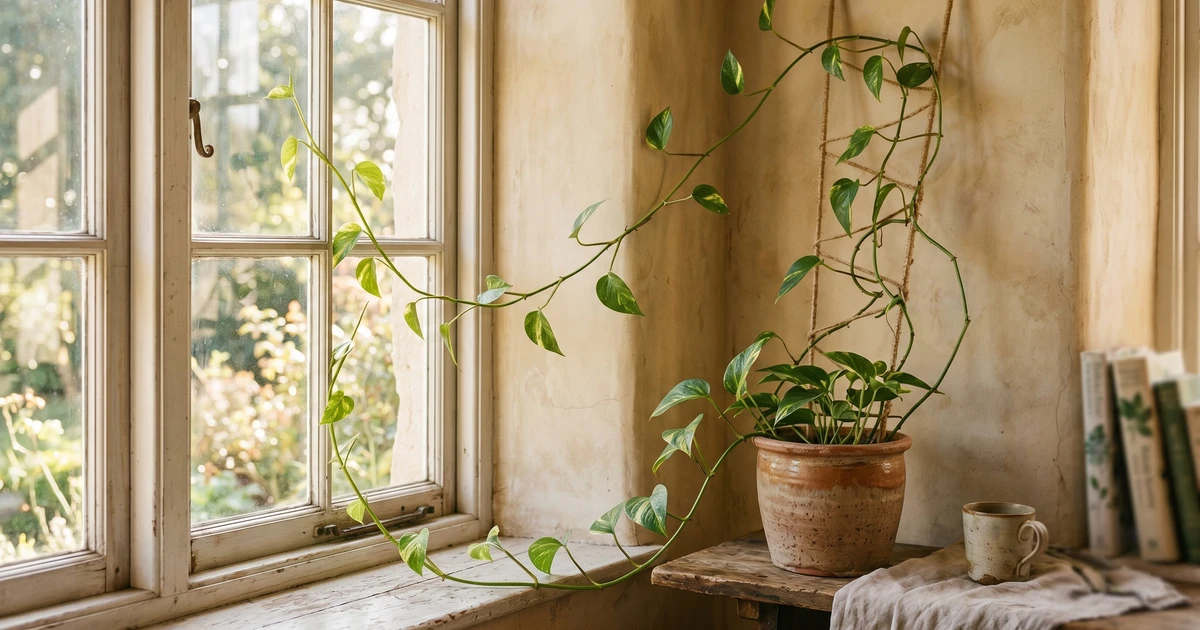
If etiolation from low light is what's going on with your Parlor Palm, the most likely cause is: Parlor Palms exhibit etiolation (leggy, spreading growth with sparse fronds) when light levels fall below 1000 lux. In chronically low light from north-facing windows or office fluorescents, the plant prioritizes lateral frond proliferation for maximal light capture rather than vertical growth. Reduced photosynthesis also lowers water needs, creating overwatering risk.
Start here:
- 1. Relocate to brightest available indirect light immediately—east-facing window ideal
- 2. Install full-spectrum grow light positioned 24-36 inches above fronds for 12-14 hours daily
Why etiolation from low light happens to Parlor Palm
Chamaedorea elegans
Parlor Palms exhibit etiolation (leggy, spreading growth with sparse fronds) when light levels fall below 1000 lux. In chronically low light from north-facing windows or office fluorescents, the plant prioritizes lateral frond proliferation for maximal light capture rather than vertical growth. Reduced photosynthesis also lowers water needs, creating overwatering risk.
How to correct etiolation from low light on Parlor Palm
- 1
Relocate to brightest available indirect light immediately—east-facing window ideal
- 2
Install full-spectrum grow light positioned 24-36 inches above fronds for 12-14 hours daily
- 3
Support leggy stems with bamboo stakes and soft ties to prevent flopping while recovery occurs
- 4
Increase watering interval—low light means low transpiration; check soil 2 inches deep before watering
- 5
Expect 4-8 week adjustment period before new compact growth emerges
Keep etiolation from low light from repeating on this Parlor Palm
Maintain bright indirect light year-round: 1000-2500 lux (east-facing window or 4-6 hours indirect light). Supplement with full-spectrum LED grow lights (12-14 hours/day, 24-36 inches above canopy) in low-light homes. Rotate plant quarterly for even growth.