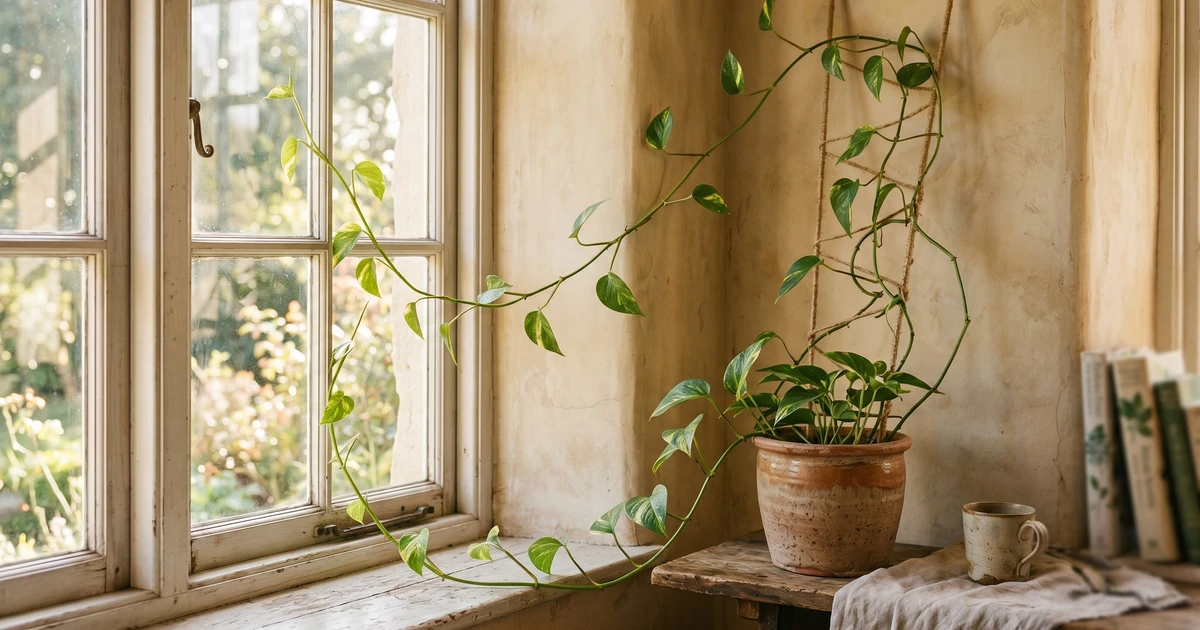
oversized pot syndrome on Parlor Palm
Quick answer
If your Parlor Palm has oversized pot syndrome, the most likely cause is: Parlor Palms are often sold in oversized decorative pots or nursery containers with dense, moisture-retentive soil. Large pots contain excess soil that stays wet too long, promoting root rot. The palm's modest root system cannot utilize the extra soil volume, creating anaerobic conditions in unused areas.
Start here:
- 1. Select pot size: Root ball should fill 60-80% of container volume
- 2. Ensure drainage: Pot must have 3-5 drainage holes minimum; drill more if needed
Why Parlor Palm gets oversized pot syndrome
Chamaedorea elegans
Parlor Palms are often sold in oversized decorative pots or nursery containers with dense, moisture-retentive soil. Large pots contain excess soil that stays wet too long, promoting root rot. The palm's modest root system cannot utilize the extra soil volume, creating anaerobic conditions in unused areas.
How to reverse oversized pot syndrome on Parlor Palm
- 1
Select pot size: Root ball should fill 60-80% of container volume
- 2
Ensure drainage: Pot must have 3-5 drainage holes minimum; drill more if needed
- 3
Use proper mix: Combine 50% orchid bark, 30% perlite, 20% peat-based potting mix
- 4
Avoid cache pots: Decorative outer pots trap water—use only if plant is in inner pot with drainage
- 5
Repot when rootbound: Wait until roots circle pot bottom before sizing up 1-2 inches maximum
Keep oversized pot syndrome off this Parlor Palm
Use pots only 1-2 inches larger than root ball. Choose pots with multiple drainage holes. Use airy palm-specific mix (50% bark, 30% perlite, 20% peat). Avoid decorative cache pots without drainage.