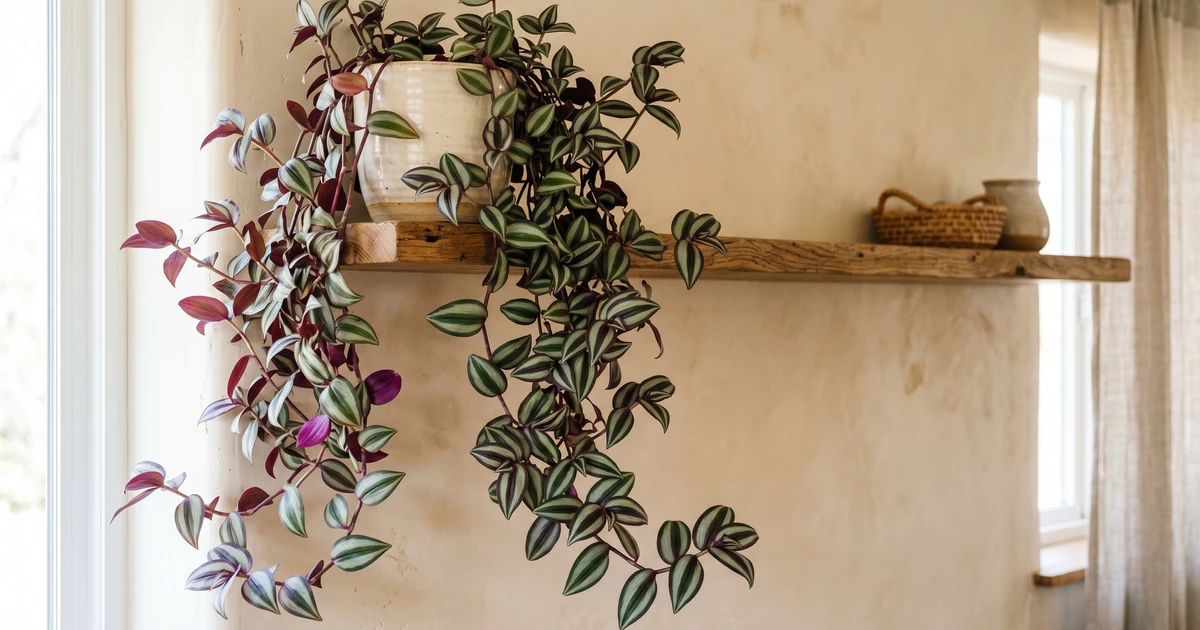
soil and Peperomia
Quick answer
If soil is what's going on with your Peperomia, the most likely cause is: Peperomias are epiphytic or lithophytic in their native habitats, growing on trees and rocks with roots exposed to air circulation and rapid drainage. Indoor cultivation fails when using standard potting soil that retains too much moisture, causing root suffocation and rot. The 'drainage rock' misconception—placing gravel at the bottom of pots—exacerbates the problem by creating a perched water table that keeps the root zone saturated. Peperomias require airy, well-draining mixes that hold some moisture but dry quickly, mimicking their natural epiphytic conditions.
Start here:
- 1. Use well-draining mix: blend 50% peat or coco coir (moisture retention), 30% perlite or pumice (drainage), 20% orchid bark (aeration)
- 2. Avoid standard potting soil alone: too dense and moisture-retentive for Peperomia roots
Why soil happens to Peperomia
Peperomia spp.
Peperomias are epiphytic or lithophytic in their native habitats, growing on trees and rocks with roots exposed to air circulation and rapid drainage. Indoor cultivation fails when using standard potting soil that retains too much moisture, causing root suffocation and rot. The 'drainage rock' misconception—placing gravel at the bottom of pots—exacerbates the problem by creating a perched water table that keeps the root zone saturated. Peperomias require airy, well-draining mixes that hold some moisture but dry quickly, mimicking their natural epiphytic conditions.
How to correct soil on Peperomia
- 1
Use well-draining mix: blend 50% peat or coco coir (moisture retention), 30% perlite or pumice (drainage), 20% orchid bark (aeration)
- 2
Avoid standard potting soil alone: too dense and moisture-retentive for Peperomia roots
- 3
Never use drainage rocks at the bottom: creates perched water table that worsens saturation
- 4
Choose appropriately sized pot: select container only 1-2 inches wider than root ball to prevent excess moisture retention
- 5
Ensure drainage holes: non-negotiable for Peperomia health; empty saucers promptly after watering
- 6
For severely root-rotted plants: use even grittier mix (40% peat, 40% perlite, 20% bark)
- 7
When repotting: gently loosen root ball but don't remove all old soil; minimize root disturbance
Keep soil from repeating on this Peperomia
Mix your own aroid/succulent blend rather than using bagged potting soil. Select pots with drainage holes and appropriate size. Repot every 1-2 years in fresh mix. Bottom-water to encourage deep rooting and prevent soil compaction.