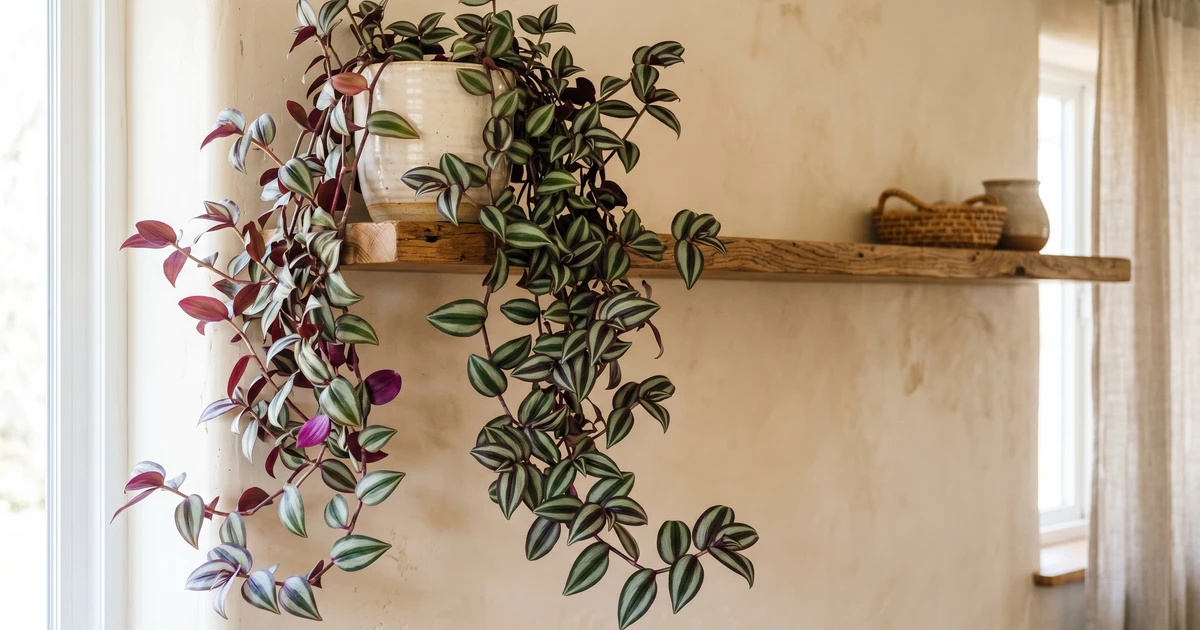
root rot on Philodendron Cordatum
Quick answer
If your Philodendron Cordatum has root rot, the most likely cause is: Root rot in heartleaf philodendron (Philodendron cordatum / Philodendron hederaceum) is triggered when the substrate stays waterlogged, because the fine epiphytic roots suffocate and decay in oxygen-poor, saturated media. General houseplant guidance and the genus symptom checklist both name root rot as a primary problem of philodendrons kept in poorly drained or overwatered containers.
Start here:
- 1. Lift the plant from its pot and inspect the roots: cut away any black, mushy or sour-smelling tissue with sterilised scissors, leaving only firm white or cream roots.
- 2. Re-pot into a fresh, well-draining mix of 50 percent regular potting soil combined with 50 percent coco coir in a container that has working drainage holes.
Why Philodendron Cordatum gets root rot
philodendron cordatum
Root rot in heartleaf philodendron (Philodendron cordatum / Philodendron hederaceum) is triggered when the substrate stays waterlogged, because the fine epiphytic roots suffocate and decay in oxygen-poor, saturated media. General houseplant guidance and the genus symptom checklist both name root rot as a primary problem of philodendrons kept in poorly drained or overwatered containers.
How to reverse root rot on Philodendron Cordatum
- 1
Lift the plant from its pot and inspect the roots: cut away any black, mushy or sour-smelling tissue with sterilised scissors, leaving only firm white or cream roots.
- 2
Re-pot into a fresh, well-draining mix of 50 percent regular potting soil combined with 50 percent coco coir in a container that has working drainage holes.
- 3
Adjust the watering rhythm so the surface of the soil dries out between waterings, especially during the cooler winter months.
- 4
After recovery, position the plant in medium indirect light and avoid direct sunlight that would compound heat and moisture stress on the recovering root system.
Keep root rot off this Philodendron Cordatum
Use a welldraining 50/50 mix of potting soil and coco coir in a container with unobstructed drainage holes, water only when the soil surface begins to dry, never let the pot sit in standing water, and keep the plant in medium indirect light so the substrate dries predictably.