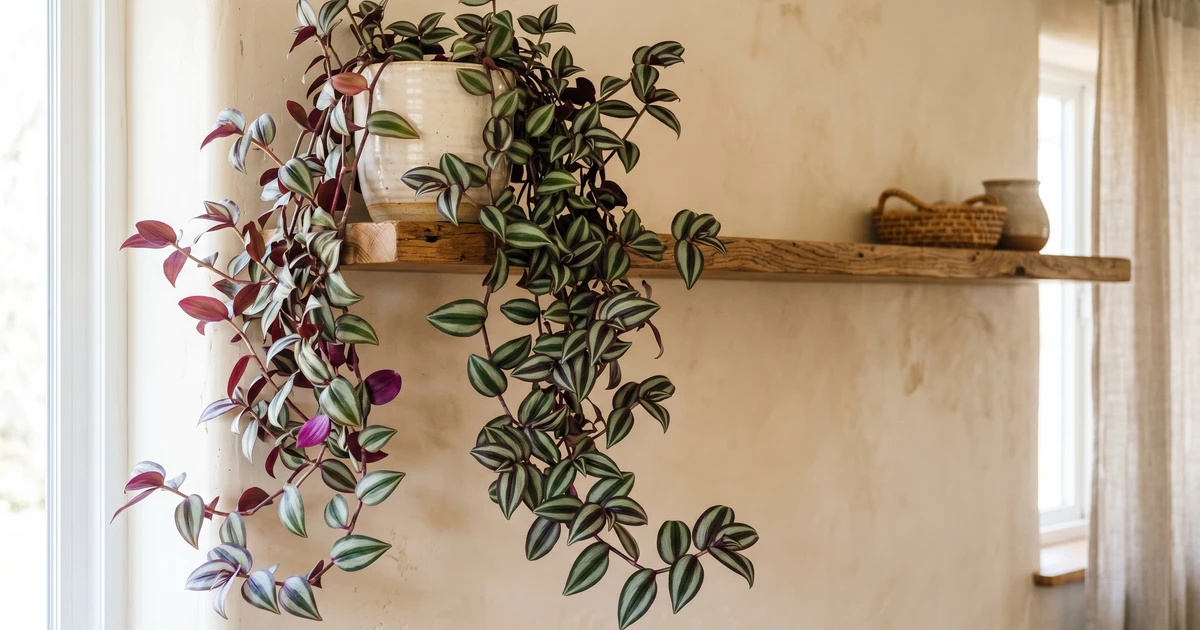
yellow leaves on Philodendron Cordatum
Quick answer
If your Philodendron Cordatum has yellow leaves, the most likely cause is: Yellow leaves on heartleaf philodendron (Philodendron cordatum / Philodendron hederaceum) develop when the soil is kept too wet for too long, because persistently saturated substrate starves roots of oxygen and forces the plant to shed its older foliage. The houseplant reference explicitly names yellow leaves as the diagnostic sign of overwatering for this species.
Start here:
- 1. Stop watering and allow the surface of the soil to dry out between waterings, especially during winter when growth slows.
- 2. Check that the pot has drainage holes and that the mix is 50 percent regular potting soil mixed with 50 percent coco coir so excess water can escape.
Why Philodendron Cordatum gets yellow leaves
philodendron cordatum
Yellow leaves on heartleaf philodendron (Philodendron cordatum / Philodendron hederaceum) develop when the soil is kept too wet for too long, because persistently saturated substrate starves roots of oxygen and forces the plant to shed its older foliage. The houseplant reference explicitly names yellow leaves as the diagnostic sign of overwatering for this species.
How to reverse yellow leaves on Philodendron Cordatum
- 1
Stop watering and allow the surface of the soil to dry out between waterings, especially during winter when growth slows.
- 2
Check that the pot has drainage holes and that the mix is 50 percent regular potting soil mixed with 50 percent coco coir so excess water can escape.
- 3
Move the plant to medium indirect light and never direct sunlight, which would otherwise scorch already-stressed foliage.
- 4
Trim yellow leaves at the petiole base once the plant has stabilised, so energy is redirected to healthy new growth.
Keep yellow leaves off this Philodendron Cordatum
Keep the soil lightly moist from spring until autumn, allow the surface to dry between waterings in winter, use a well-draining mix of 50 percent regular potting soil with 50 percent coco coir, and confirm the container has unobstructed drainage holes so the roots never sit in standing water.