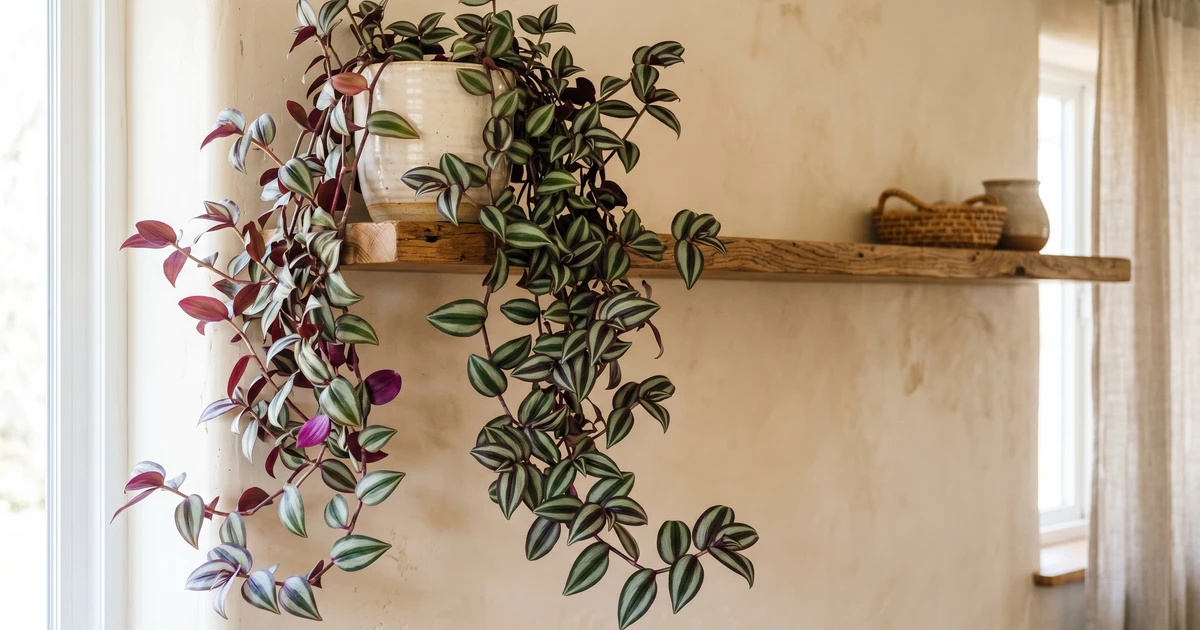
mealybugs on Philodendron Pink Princess
Quick answer
If your Philodendron Pink Princess has mealybugs, the most likely cause is: Mealybugs show up on philodendrons as small white cottony clusters tucked into the leaf axils, the joints where the petiole meets the stem, and along the undersides of leaves. They feed by sucking sap, which stunts new growth, distorts emerging foliage, and weakens the plant over time. Pink Princess is not a magnet for them, but a stressed or recently purchased plant can introduce them, and the white fluff is easy to miss until the colony is established.
Start here:
- 1. Dip a cotton swab in 70 percent isopropyl alcohol and touch each visible mealybug cluster to dissolve the waxy coating and kill the insects on contact
- 2. Spray the entire plant with a mix of equal parts water and rubbing alcohol, then follow with a wash of soapy water and a clear-water rinse to remove residue
Why Philodendron Pink Princess gets mealybugs
philodendron pink princess
Mealybugs show up on philodendrons as small white cottony clusters tucked into the leaf axils, the joints where the petiole meets the stem, and along the undersides of leaves. They feed by sucking sap, which stunts new growth, distorts emerging foliage, and weakens the plant over time. Pink Princess is not a magnet for them, but a stressed or recently purchased plant can introduce them, and the white fluff is easy to miss until the colony is established.
How to reverse mealybugs on Philodendron Pink Princess
- 1
Dip a cotton swab in 70 percent isopropyl alcohol and touch each visible mealybug cluster to dissolve the waxy coating and kill the insects on contact
- 2
Spray the entire plant with a mix of equal parts water and rubbing alcohol, then follow with a wash of soapy water and a clear-water rinse to remove residue
- 3
For heavier infestations, apply a houseplant-labeled systemic to the soil so the active ingredient moves through the sap and kills feeding mealybugs for several weeks
- 4
Heavily infested stems should be pruned back to clean growth and the cuttings bagged and discarded, not composted
- 5
Isolate the treated plant from other houseplants for at least three to four weeks and inspect weekly for any new cottony spots
Keep mealybugs off this Philodendron Pink Princess
Inspect new philodendrons and aroids in quarantine for two to four weeks before mixing them with Pink Princess, and wipe leaf joints during routine care so any early colony is caught before it spreads.