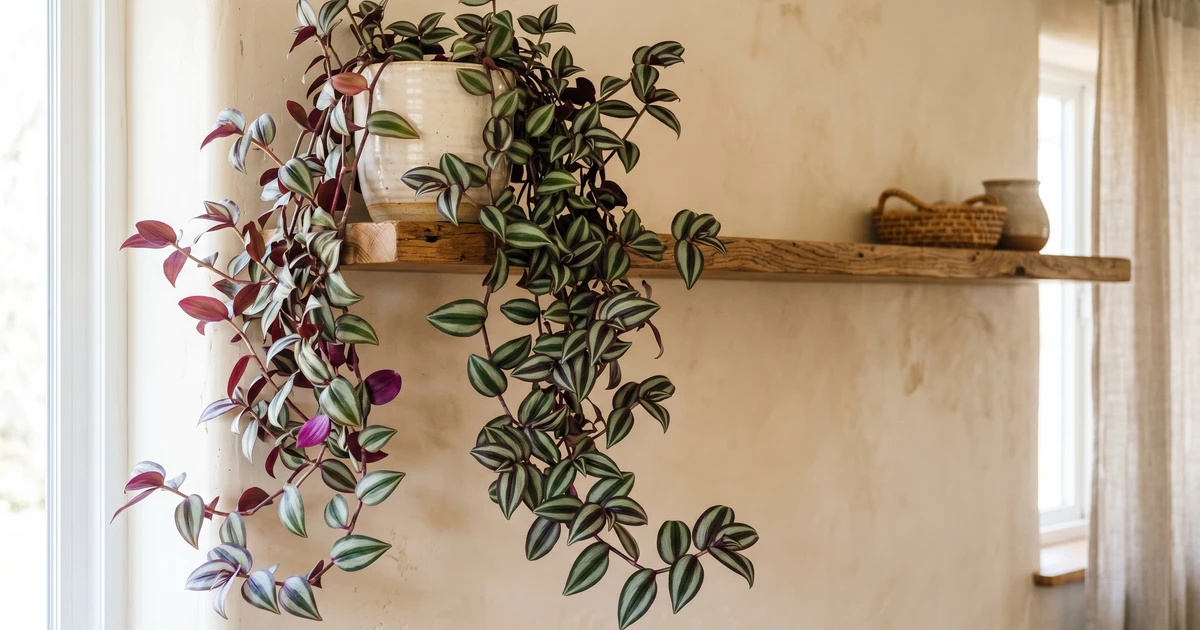
brown spots on Philodendron
Quick answer
If your Philodendron has brown spots, the most likely cause is: Overwatering-induced root rot in epiphytic aroids occurs when soil remains waterlogged for 7+ days, promoting anaerobic bacteria (Pythium spp.) that destroy root hairs and impair nutrient uptake. Philodendrons evolved as canopy epiphytes with low transpiration rates; in high-humidity indoor environments (>70%), stomatal closure further reduces water demand, exacerbating soil saturation even when surface appears dry.
Start here:
- 1. Acquire moisture meter; water only 2-3 days after meter reads fully dry in top 2-3 inches
- 2. Reduce watering frequency by 30-50% in high-humidity environments (>70% RH)
Why Philodendron gets brown spots
Philodendron spp.
Overwatering-induced root rot in epiphytic aroids occurs when soil remains waterlogged for 7+ days, promoting anaerobic bacteria (Pythium spp.) that destroy root hairs and impair nutrient uptake. Philodendrons evolved as canopy epiphytes with low transpiration rates; in high-humidity indoor environments (>70%), stomatal closure further reduces water demand, exacerbating soil saturation even when surface appears dry.
Other documented causes on philodendron:
- • Extrafloral nectaries (EFNs) secrete sugary sap droplets on leaf undersides to attract ants for pest protection in nature. Indoors, sap dries and causes chemical burn spots on leaf tissue.
How to reverse brown spots on Philodendron
- 1
Acquire moisture meter; water only 2-3 days after meter reads fully dry in top 2-3 inches
- 2
Reduce watering frequency by 30-50% in high-humidity environments (>70% RH)
- 3
Repot in chunky well-draining mix (orchid bark, potting soil, perlite 1:1:1 ratio)
- 4
Inspect and trim any black/mushy rotted roots with sterilized shears
- 5
Monitor for 2 weeks post-repot for settling/shock symptoms
Keep brown spots off this Philodendron
Water only when top 2-3 inches of soil read 'dry' on moisture meter; maintain 40-60% humidity with dehumidifier if necessary; use chunky aroid mix (1:1:1 orchid bark:potting soil:perlite); annual root inspections and soil refresh.
Other Philodendron problems
Same Problem on Other Plants
Go Deeper
This is covered in-depth in the philodendron Mastery Pack — structured modules with video walkthroughs, advanced protocols, and rescue timelines.
Get the Mastery Pack — $37 →