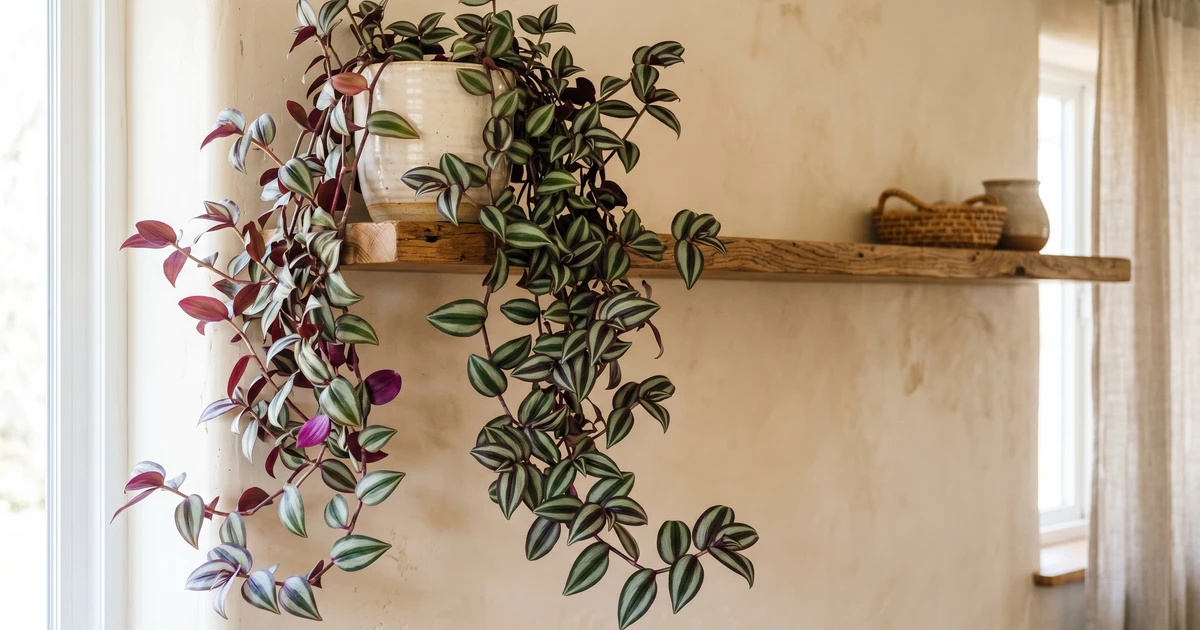
cold damage on Philodendron
Quick answer
If your Philodendron has cold damage, the most likely cause is: Cold damage in Philodendron occurs when temperatures drop below 50°F (10°C). Symptoms include softening, yellowing, or browning leaves, wilting, and cellular damage from frozen water in leaf tissues. The plant's tropical origin makes it sensitive to cold drafts and freezing temperatures.
Start here:
- 1. Move plant to warmer location (65-80°F) immediately
- 2. Trim away damaged, mushy, or discolored leaves with sterile shears
Why Philodendron gets cold damage
Philodendron spp.
Cold damage in Philodendron occurs when temperatures drop below 50°F (10°C). Symptoms include softening, yellowing, or browning leaves, wilting, and cellular damage from frozen water in leaf tissues. The plant's tropical origin makes it sensitive to cold drafts and freezing temperatures.
How to reverse cold damage on Philodendron
- 1
Move plant to warmer location (65-80°F) immediately
- 2
Trim away damaged, mushy, or discolored leaves with sterile shears
- 3
Inspect roots - if firm and white, plant will likely recover
- 4
If roots are affected, repot in fresh dry mix and reduce watering
- 5
Place in bright indirect light to support recovery
- 6
Withhold fertilizer until new growth appears
- 7
Be patient - new growth may take 1-3 months to emerge from rhizomes
- 8
Avoid overwatering during recovery as damaged roots are vulnerable to rot
Keep cold damage off this Philodendron
Keep indoor temperatures above 60°F. Avoid placing near cold windows in winter. Keep away from air conditioning vents. Monitor outdoor plants and bring inside before first frost. Use frost blankets for temporary protection.
Other Philodendron problems
Same Problem on Other Plants
Go Deeper
This is covered in-depth in the philodendron Mastery Pack — structured modules with video walkthroughs, advanced protocols, and rescue timelines.
Get the Mastery Pack — $37 →