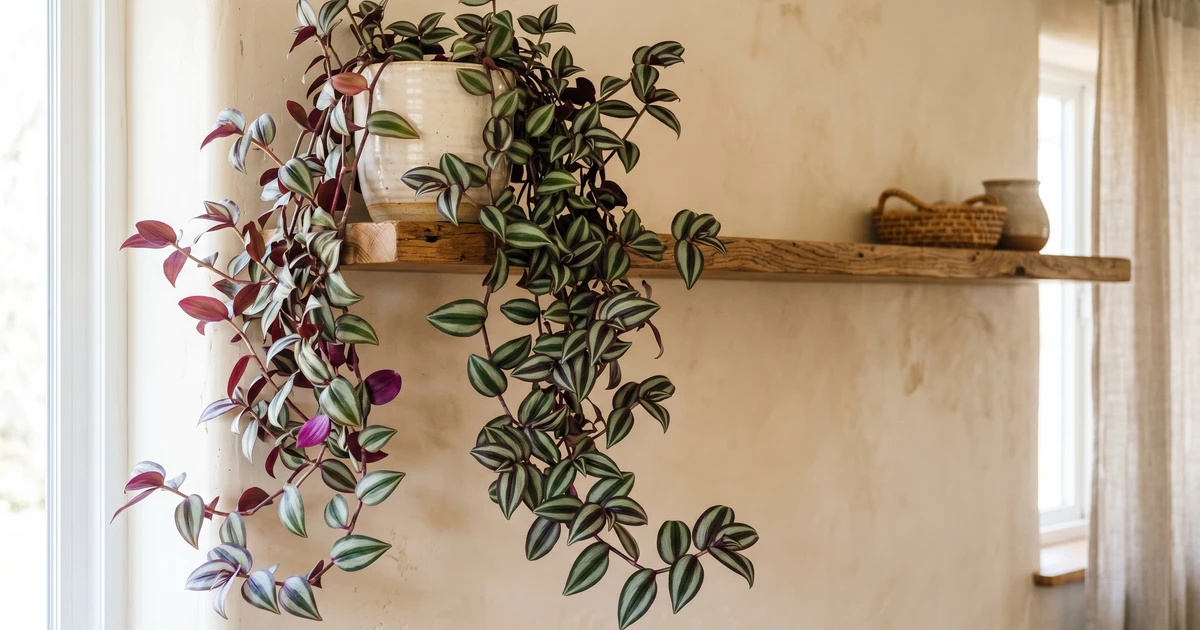
crispy leaves on Philodendron
Quick answer
If your Philodendron has crispy leaves, the most likely cause is: Crispy brown leaf edges on Philodendron stem from chronic underwatering or low humidity (<40% RH), causing guard cell closure and cessation of photosynthesis. Aroids evolved in tropical understories with 60-80% humidity; indoor heating reduces ambient moisture, forcing plants to sacrifice peripheral leaf tissue to preserve vascular integrity and root system.
Start here:
- 1. Increase humidity immediately: install humidifier, use pebble trays, or group plants to create microclimate
- 2. Water thoroughly when top 2 inches of soil are dry; ensure water exits drainage holes
Why Philodendron gets crispy leaves
Philodendron spp.
Crispy brown leaf edges on Philodendron stem from chronic underwatering or low humidity (<40% RH), causing guard cell closure and cessation of photosynthesis. Aroids evolved in tropical understories with 60-80% humidity; indoor heating reduces ambient moisture, forcing plants to sacrifice peripheral leaf tissue to preserve vascular integrity and root system.
How to reverse crispy leaves on Philodendron
- 1
Increase humidity immediately: install humidifier, use pebble trays, or group plants to create microclimate
- 2
Water thoroughly when top 2 inches of soil are dry; ensure water exits drainage holes
- 3
Trim severely crispy edges with sterilized scissors for aesthetics (optional; not required for health)
- 4
Mist only if using distilled water to avoid mineral deposits; focus on aerial environment not leaf surfaces
- 5
Monitor new growth: crispy edges on emerging leaves indicate persistent low humidity
Keep crispy leaves off this Philodendron
Maintain 60-80% humidity via pebble trays, humidifiers, or plant grouping; water when top 2 inches of soil dry; use well-draining aroid mix to prevent root rot while ensuring adequate moisture availability; position away from heating vents and air conditioning.
Other Philodendron problems
Same Problem on Other Plants
Go Deeper
This is covered in-depth in the philodendron Mastery Pack — structured modules with video walkthroughs, advanced protocols, and rescue timelines.
Get the Mastery Pack — $37 →