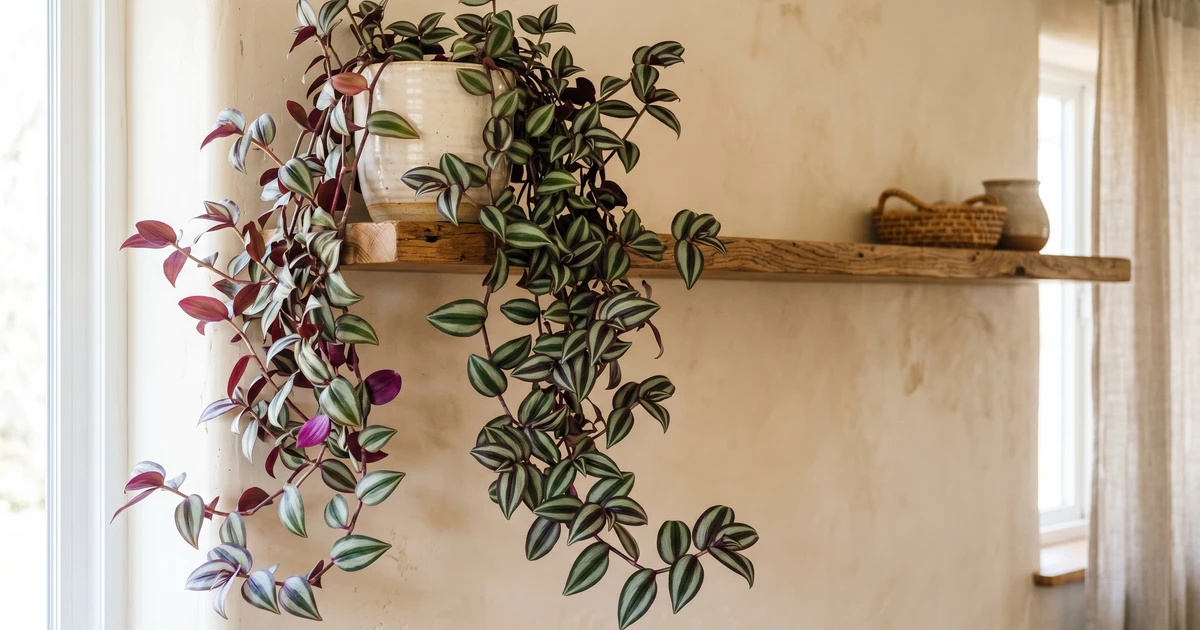
environmental shock leaf drop on Philodendron
Quick answer
If your Philodendron has environmental shock leaf drop, the most likely cause is: Environmental shock occurs when Philodendron experiences sudden changes in light intensity, temperature, or humidity—most commonly when moved from high-humidity greenhouse/nursery conditions to drier home environments, or when relocated to outdoor spaces. The plant activates pre-formed abscission layers at leaf bases within 24-72 hours as a survival mechanism to reduce transpiration surface area while adjusting to new conditions. Lower leaves drop first, progressing upward if stress persists.
Start here:
- 1. Stabilize immediately: Select final location and commit to 2-4 week minimum without moving
- 2. Provide bright indirect light: 2000-5000 lux to support recovery without adding light stress
Why Philodendron gets environmental shock leaf drop
Philodendron spp.
Environmental shock occurs when Philodendron experiences sudden changes in light intensity, temperature, or humidity—most commonly when moved from high-humidity greenhouse/nursery conditions to drier home environments, or when relocated to outdoor spaces. The plant activates pre-formed abscission layers at leaf bases within 24-72 hours as a survival mechanism to reduce transpiration surface area while adjusting to new conditions. Lower leaves drop first, progressing upward if stress persists.
How to reverse environmental shock leaf drop on Philodendron
- 1
Stabilize immediately: Select final location and commit to 2-4 week minimum without moving
- 2
Provide bright indirect light: 2000-5000 lux to support recovery without adding light stress
- 3
Boost humidity: Maintain 60-80% via humidifier or pebble tray to reduce additional transpiration stress
- 4
Remove dropped leaves: Clean up fallen foliage to prevent pest attraction and fungal growth
- 5
Avoid fertilizing: Hold all nutrients for 4-6 weeks; stressed plants cannot metabolize fertilizers
- 6
Expect 2-8 week recovery period; new growth emerges only from stem tips when acclimated
Keep environmental shock leaf drop off this Philodendron
Quarantine new plants for 14 days in stable intermediate environment before integrating into home; acclimate gradually over 7-14 days with increasing exposure time; maintain 60-80% humidity during transition; avoid multiple simultaneous changes (light, humidity, temperature).
Other Philodendron problems
Go Deeper
This is covered in-depth in the philodendron Mastery Pack — structured modules with video walkthroughs, advanced protocols, and rescue timelines.
Get the Mastery Pack — $37 →