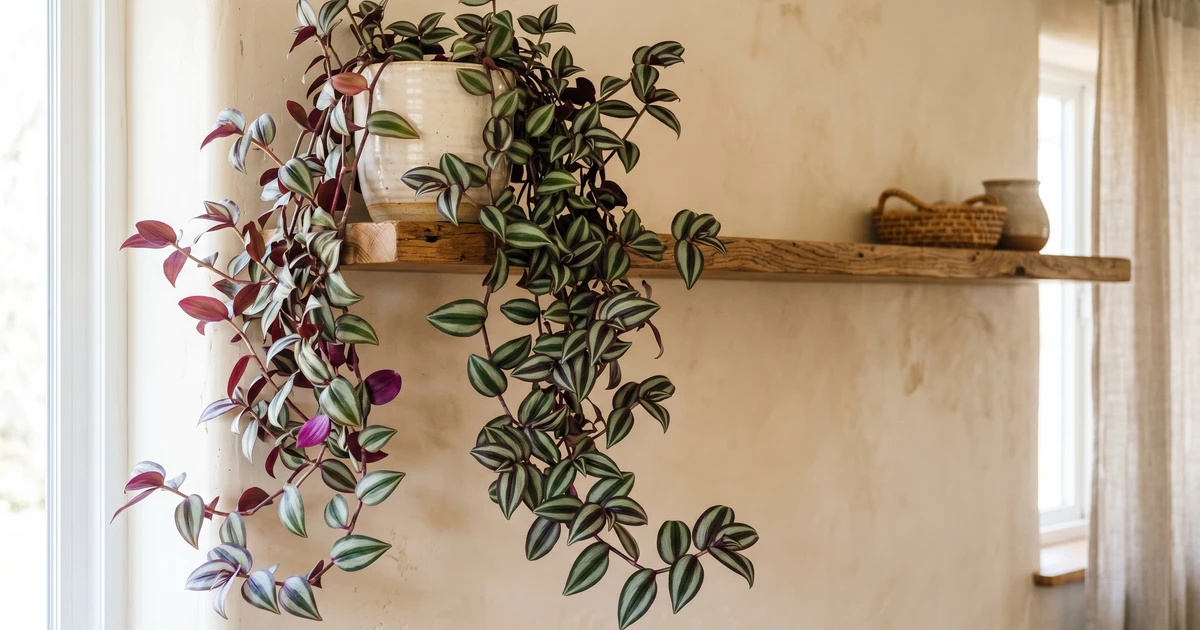
fertilizer burn leaf tips on Philodendron
Quick answer
If your Philodendron has fertilizer burn leaf tips, the most likely cause is: Philodendron leaves develop brown, crispy tips and margins when exposed to excessive fertilizer concentration or when fertilizer is applied to dry soil. The high salt content draws water out of leaf cells through osmosis, causing tissue death at the margins where water loss is most pronounced. This commonly occurs when owners apply full-strength fertilizer, fail to leach salts between applications, or use water high in dissolved minerals combined with regular fertilization.
Start here:
- 1. 1. Cease all fertilization immediately upon observing brown leaf tips
- 2. 2. Leach soil thoroughly by running 3-4 pot volumes of distilled or rainwater through the soil to dissolve and flush accumulated salts
Why Philodendron gets fertilizer burn leaf tips
Philodendron spp.
Philodendron leaves develop brown, crispy tips and margins when exposed to excessive fertilizer concentration or when fertilizer is applied to dry soil. The high salt content draws water out of leaf cells through osmosis, causing tissue death at the margins where water loss is most pronounced. This commonly occurs when owners apply full-strength fertilizer, fail to leach salts between applications, or use water high in dissolved minerals combined with regular fertilization.
How to reverse fertilizer burn leaf tips on Philodendron
- 1
1. Cease all fertilization immediately upon observing brown leaf tips
- 2
2. Leach soil thoroughly by running 3-4 pot volumes of distilled or rainwater through the soil to dissolve and flush accumulated salts
- 3
3. Trim affected leaf tips with sterile scissors, cutting 2-3mm above the damaged tissue to improve aesthetics
- 4
4. Resume fertilization after 4-6 weeks at 1/8 strength (half the previous quarter-strength dilution)
- 5
5. Switch to bottom-watering periodically to prevent salt buildup at soil surface
Keep fertilizer burn leaf tips off this Philodendron
Always dilute liquid fertilizer to 1/4 strength or less; water with distilled/rainwater if tap water is hard (>200ppm TDS); leach soil every 3 months by flushing with 2-3x pot volume of plain water; avoid fertilizing dry soil - water normally first, then apply diluted fertilizer.
Other Philodendron problems
Go Deeper
This is covered in-depth in the philodendron Mastery Pack — structured modules with video walkthroughs, advanced protocols, and rescue timelines.
Get the Mastery Pack — $37 →