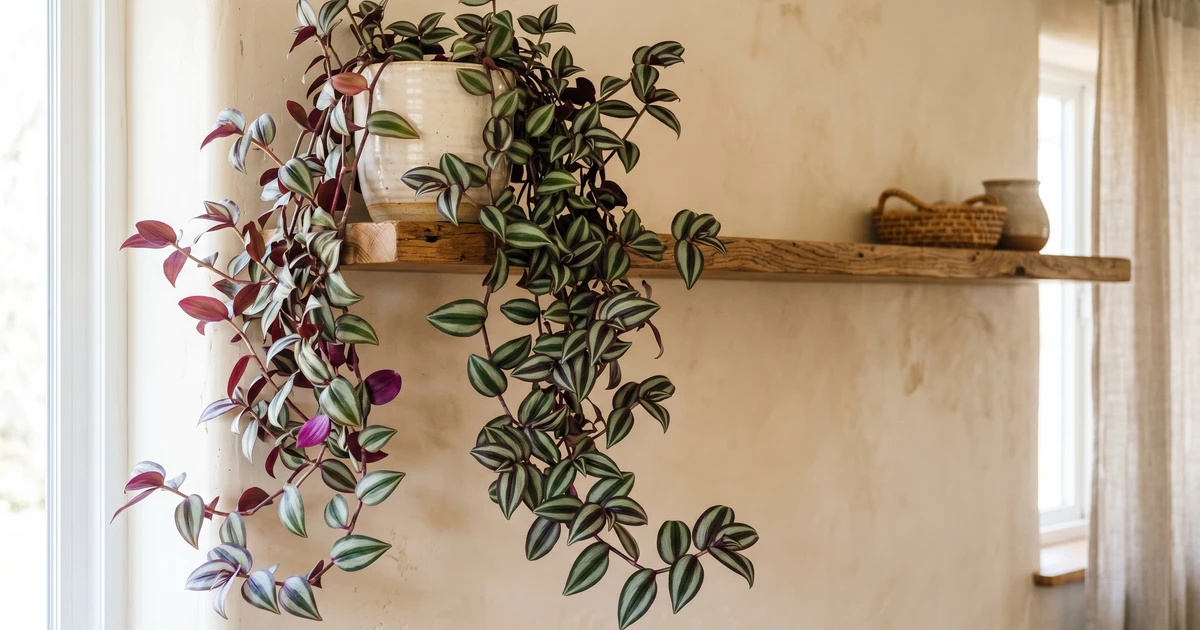
heat stress yellowing on Philodendron
Quick answer
If your Philodendron has heat stress yellowing, the most likely cause is: High-temperature stress (above 85°F/29°C) triggers rapid transpiration that exceeds root uptake capacity, causing dehydration stress. Philodendron responds by abscising older lower leaves—sacrificing maintenance foliage to preserve resources for apical meristem survival. Unlike root rot, which presents with wet soil and mushy roots, heat-induced yellowing occurs with dry soil and healthy root systems. The rapid onset (within 24-72 hours of heat exposure) distinguishes it from gradual natural senescence.
Start here:
- 1. Immediate relocation: Move plant to cooler location below 80°F with bright indirect light
- 2. Increase humidity: Deploy humidifier or mist surrounding air (not leaves) 2x daily
Why Philodendron gets heat stress yellowing
Philodendron spp.
High-temperature stress (above 85°F/29°C) triggers rapid transpiration that exceeds root uptake capacity, causing dehydration stress. Philodendron responds by abscising older lower leaves—sacrificing maintenance foliage to preserve resources for apical meristem survival. Unlike root rot, which presents with wet soil and mushy roots, heat-induced yellowing occurs with dry soil and healthy root systems. The rapid onset (within 24-72 hours of heat exposure) distinguishes it from gradual natural senescence.
How to reverse heat stress yellowing on Philodendron
- 1
Immediate relocation: Move plant to cooler location below 80°F with bright indirect light
- 2
Increase humidity: Deploy humidifier or mist surrounding air (not leaves) 2x daily
- 3
Water to maintain even moisture: Keep top 1-2 inches slightly moist but never soggy
- 4
Prune affected leaves: Remove fully yellowed foliage to redirect energy to recovery
- 5
Support recovery: Apply diluted seaweed extract bi-weekly to reduce stress hormones
- 6
Propagate insurance cuttings: Take 2-3 healthy top nodes in water/sphagnum as backup
Keep heat stress yellowing off this Philodendron
Monitor indoor temperatures during heat waves; relocate plants away from direct afternoon sun and heat sources; maintain humidity at 60-70% via humidifier or pebble trays; increase air circulation with small fans to reduce leaf temperature.
Other Philodendron problems
Go Deeper
This is covered in-depth in the philodendron Mastery Pack — structured modules with video walkthroughs, advanced protocols, and rescue timelines.
Get the Mastery Pack — $37 →