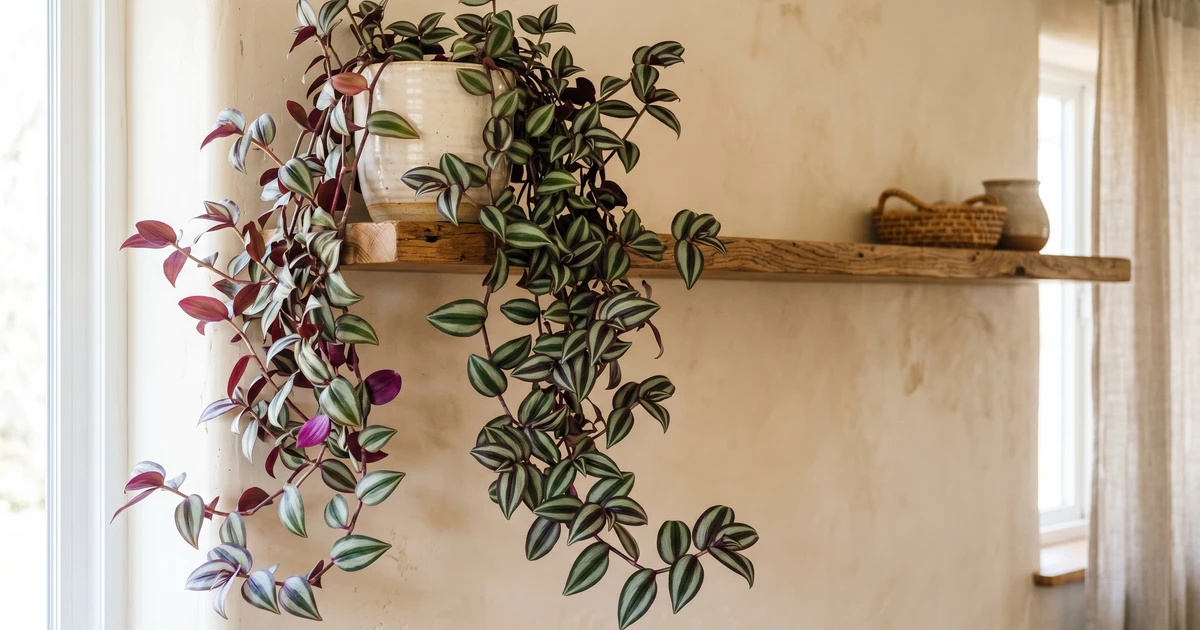
low humidity stress and Philodendron
Quick answer
If low humidity stress is what's going on with your Philodendron, the most likely cause is: Philodendrons are tropical understory plants adapted to 60-80% humidity year-round. Indoor environments with 30-50% humidity cause chronic stress: brown leaf edges, stunted growth, and increased pest susceptibility. Low humidity accelerates transpiration beyond root uptake capacity.
Start here:
- 1. Measure humidity with hygrometer - target 60-80% consistently
- 2. Place on pebble tray filled with water (water level below pot bottom)
Why low humidity stress happens to Philodendron
Philodendron spp.
Philodendrons are tropical understory plants adapted to 60-80% humidity year-round. Indoor environments with 30-50% humidity cause chronic stress: brown leaf edges, stunted growth, and increased pest susceptibility. Low humidity accelerates transpiration beyond root uptake capacity.
How to correct low humidity stress on Philodendron
- 1
Measure humidity with hygrometer - target 60-80% consistently
- 2
Place on pebble tray filled with water (water level below pot bottom)
- 3
Group plants together to create humidity microclimate through collective transpiration
- 4
Use humidifier in room during dry winter months or in arid climates
- 5
Avoid misting - promotes fungal issues and only raises humidity temporarily
- 6
Shower plant monthly to clean leaves and boost humidity briefly
- 7
Increase humidity when new leaves unfurling - this is when they're most vulnerable
Keep low humidity stress from repeating on this Philodendron
Maintain humidity at 60% minimum year-round. Group plants to create microclimate. Use humidity trays, pebble trays, or humidifiers rather than misting which spreads disease.
Other Philodendron problems
Same Problem on Other Plants
Go Deeper
This is covered in-depth in the philodendron Mastery Pack — structured modules with video walkthroughs, advanced protocols, and rescue timelines.
Get the Mastery Pack — $37 →