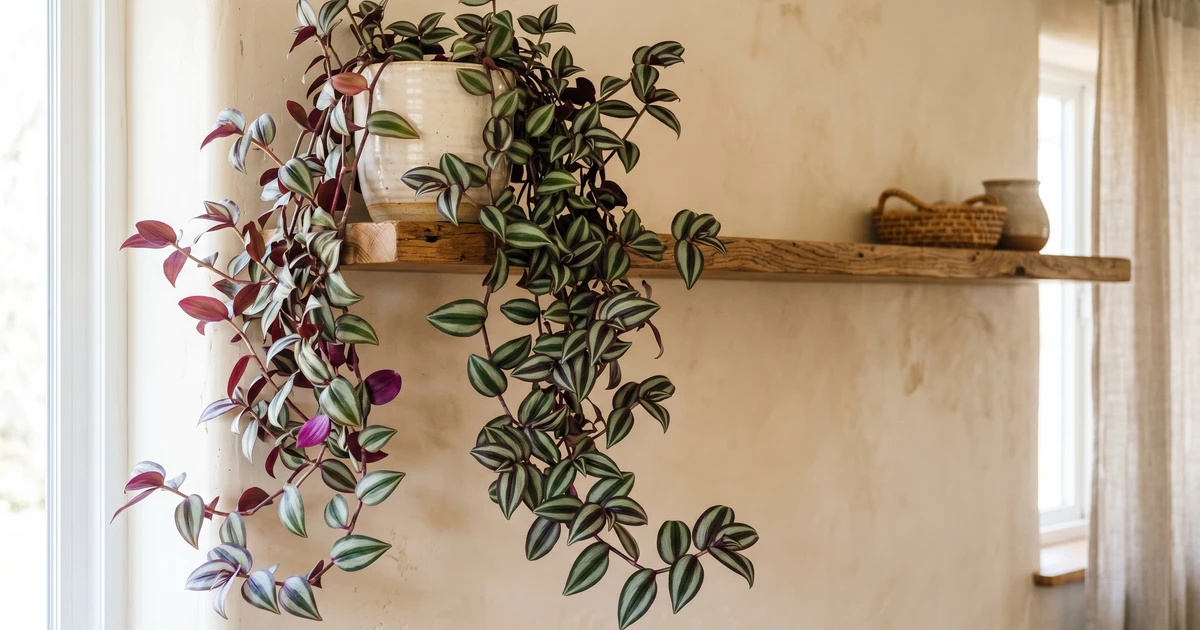
natural senescence on Philodendron
Quick answer
If your Philodendron has natural senescence, the most likely cause is: Natural senescence is the programmed death of older leaves as Philodendron reallocates resources to new apical growth. Bottom leaves are oldest and will yellow, brown, and drop normally. This is not a disease but part of the monopodial growth pattern.
Start here:
- 1. Identify pattern: only oldest bottom leaves affected, top growth healthy
- 2. Gently remove yellow leaves at base when fully dry
Why Philodendron gets natural senescence
Philodendron spp.
Natural senescence is the programmed death of older leaves as Philodendron reallocates resources to new apical growth. Bottom leaves are oldest and will yellow, brown, and drop normally. This is not a disease but part of the monopodial growth pattern.
How to reverse natural senescence on Philodendron
- 1
Identify pattern: only oldest bottom leaves affected, top growth healthy
- 2
Gently remove yellow leaves at base when fully dry
- 3
Continue normal care: bright indirect light, appropriate watering
- 4
Monitor that new growth continues to emerge normally
- 5
If multiple leaves drop simultaneously, check for other stressors
Keep natural senescence off this Philodendron
No prevention needed - this is healthy plant behavior. Ensure adequate light and nutrients to support both old and new growth. Repot when rootbound to maintain vigor.
Other Philodendron problems
Same Problem on Other Plants
Go Deeper
This is covered in-depth in the philodendron Mastery Pack — structured modules with video walkthroughs, advanced protocols, and rescue timelines.
Get the Mastery Pack — $37 →