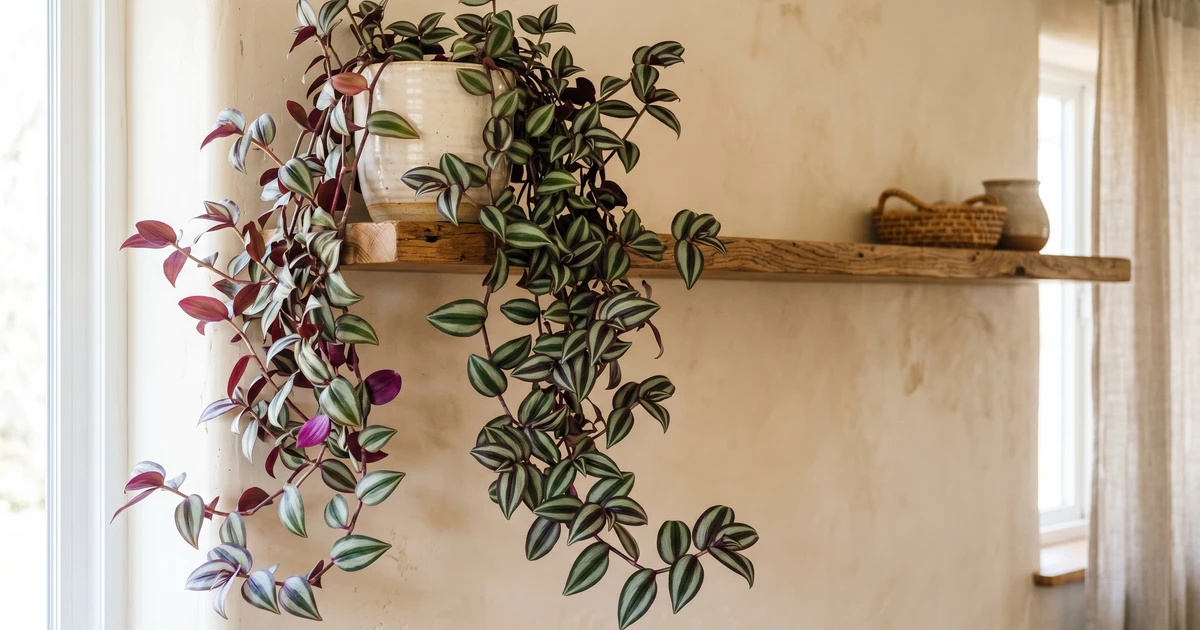
no new growth (aerial root health) on Philodendron
Quick answer
If your Philodendron has no new growth (aerial root health), the most likely cause is: Philodendrons are Araceae species that evolved in humid tropical environments with aerial roots. Scientific analysis shows that aerial roots outperform soil roots in nitrogen uptake when ambient humidity is high. Stalled growth or small leaves often correlate with low indoor humidity (<40%), where aerial roots become dormant or dry out.
Start here:
- 1. Boost indoor humidity to 60-80% to activate aerial roots; high humidity promotes significantly greater biomass increase.
- 2. Apply diluted liquid fertilizer directly to aerial roots or a moss pole to support nutrient uptake.
Why Philodendron gets no new growth (aerial root health)
Philodendron spp.
Philodendrons are Araceae species that evolved in humid tropical environments with aerial roots. Scientific analysis shows that aerial roots outperform soil roots in nitrogen uptake when ambient humidity is high. Stalled growth or small leaves often correlate with low indoor humidity (<40%), where aerial roots become dormant or dry out.
How to reverse no new growth (aerial root health) on Philodendron
- 1
Boost indoor humidity to 60-80% to activate aerial roots; high humidity promotes significantly greater biomass increase.
- 2
Apply diluted liquid fertilizer directly to aerial roots or a moss pole to support nutrient uptake.
- 3
Maintain a consistent humid microclimate using pebble trays or humidifiers to mimic the epiphytic habitat.
Keep no new growth (aerial root health) off this Philodendron
Provide a moist climbing support (e.g., moss pole) from early growth stages. Monitor relative humidity and avoid placing plants near heaters or dry air vents.
Other Philodendron problems
Go Deeper
This is covered in-depth in the philodendron Mastery Pack — structured modules with video walkthroughs, advanced protocols, and rescue timelines.
Get the Mastery Pack — $37 →