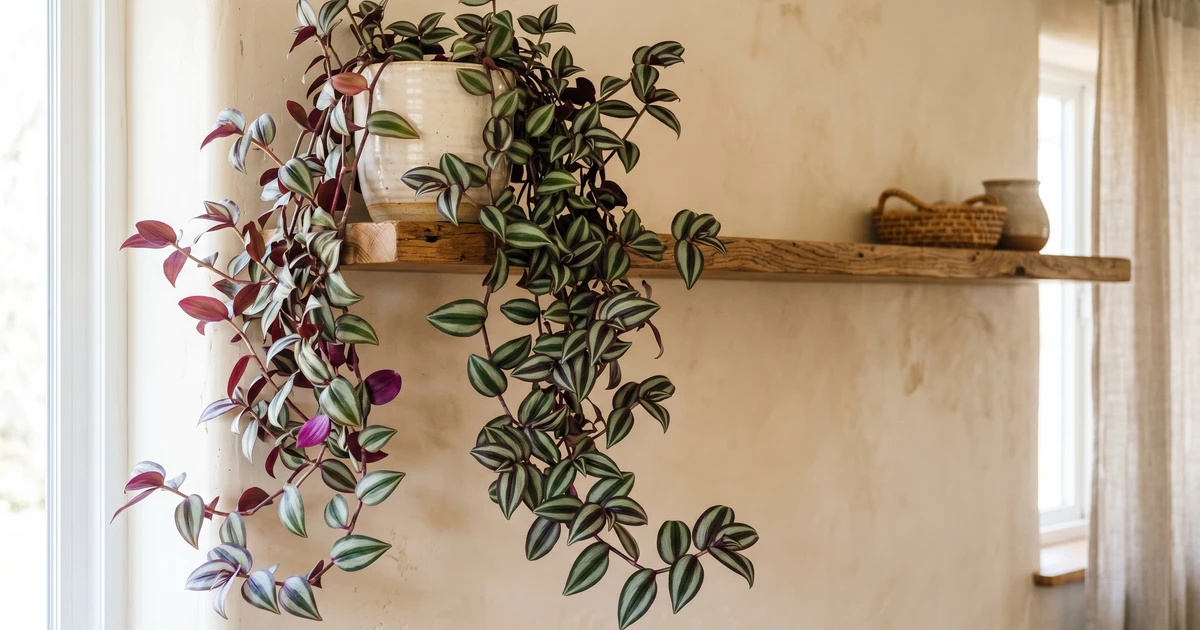
no new growth (root anoxia) on Philodendron
Quick answer
If your Philodendron has no new growth (root anoxia), the most likely cause is: Pots without drainage holes cause water to pool at the bottom, creating an anoxic (oxygen-deprived) zone. Even if the top soil feels dry, roots at the base suffocate and die, leading to a complete stall in new growth and eventual systemic dieback. Tree philodendrons (Thaumatophyllum) are especially sensitive to root hypoxia.
Start here:
- 1. Repot immediately into a container with multiple drainage holes.
- 2. Inspect roots for rot (black, mushy, foul-smelling) and trim away affected areas with sterile shears.
Why Philodendron gets no new growth (root anoxia)
Philodendron spp.
Pots without drainage holes cause water to pool at the bottom, creating an anoxic (oxygen-deprived) zone. Even if the top soil feels dry, roots at the base suffocate and die, leading to a complete stall in new growth and eventual systemic dieback. Tree philodendrons (Thaumatophyllum) are especially sensitive to root hypoxia.
How to reverse no new growth (root anoxia) on Philodendron
- 1
Repot immediately into a container with multiple drainage holes.
- 2
Inspect roots for rot (black, mushy, foul-smelling) and trim away affected areas with sterile shears.
- 3
Use a 'chunky' aroid mix (bark, perlite, charcoal) to ensure maximum air pockets in the substrate.
- 4
Transition to a 'soak and dry' watering cycle where the pot is watered only when the top 50% of soil is dry.
Keep no new growth (root anoxia) off this Philodendron
Never pot directly into decorative containers without holes. Use nursery liners and remove them to water, ensuring all excess drains away before returning to the cache pot.
Other Philodendron problems
Go Deeper
This is covered in-depth in the philodendron Mastery Pack — structured modules with video walkthroughs, advanced protocols, and rescue timelines.
Get the Mastery Pack — $37 →