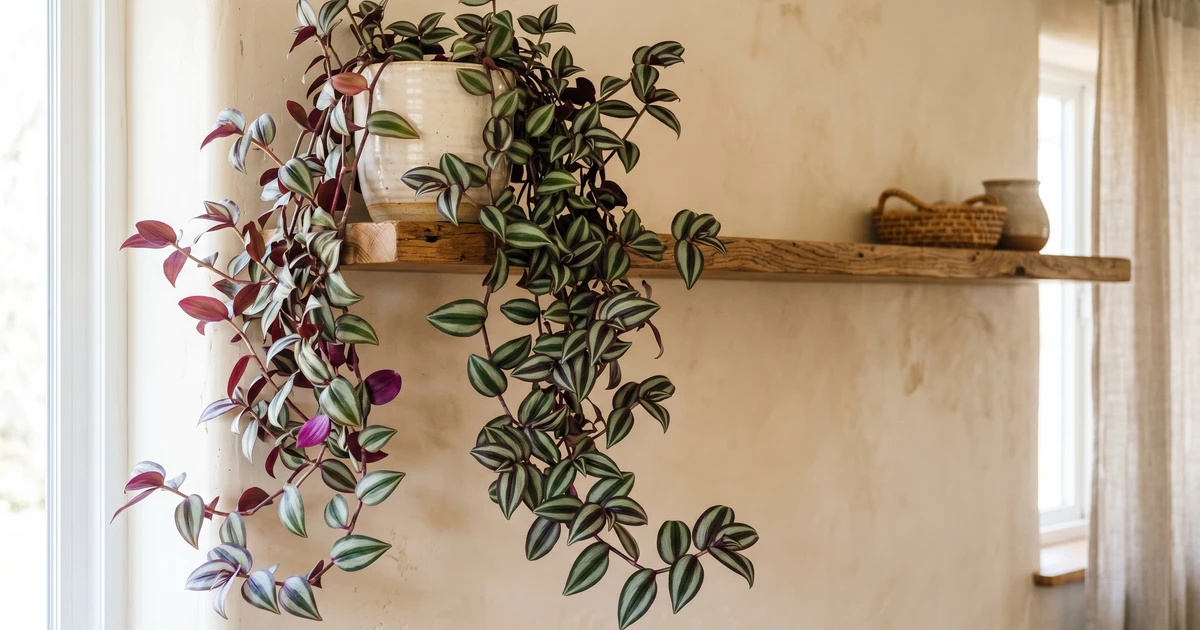
nursery constriction damage on Philodendron
Quick answer
If your Philodendron has nursery constriction damage, the most likely cause is: Nursery-grown Philodendrons frequently arrive with rubber bands, plastic ties, or mesh around root balls that constrict water and nutrient flow. This mechanical restriction causes localized tissue damage that appears as mushy basal stems—often misdiagnosed as bacterial rot. The constriction prevents proper root expansion, creates anaerobic conditions at the restriction point, and leads to secondary bacterial infection. This is particularly common in tissue-cultured and mass-produced specimens.
Start here:
- 1. Immediate unpotting: Remove plant from nursery pot within 24 hours of acquisition
- 2. Band removal: Carefully cut away ALL rubber bands, plastic ties, or mesh without damaging roots
Why Philodendron gets nursery constriction damage
Philodendron spp.
Nursery-grown Philodendrons frequently arrive with rubber bands, plastic ties, or mesh around root balls that constrict water and nutrient flow. This mechanical restriction causes localized tissue damage that appears as mushy basal stems—often misdiagnosed as bacterial rot. The constriction prevents proper root expansion, creates anaerobic conditions at the restriction point, and leads to secondary bacterial infection. This is particularly common in tissue-cultured and mass-produced specimens.
How to reverse nursery constriction damage on Philodendron
- 1
Immediate unpotting: Remove plant from nursery pot within 24 hours of acquisition
- 2
Band removal: Carefully cut away ALL rubber bands, plastic ties, or mesh without damaging roots
- 3
Root inspection: Look for constriction marks, crushed sections, or circling roots
- 4
Root spread: Gently tease apart bound roots to encourage outward growth into new soil
- 5
Pruning: Trim any roots damaged by constriction (blackened or crushed sections)
- 6
Repotting: Plant in appropriate-sized pot with well-draining mix; roots should fill 60-80% of pot volume
Keep nursery constriction damage off this Philodendron
Always unpot nursery plants immediately upon arrival; reject plants with severely bound roots or deep constriction marks; choose plants in fabric grow bags or loose nursery containers when possible; inspect root ball before accepting delivery from online sellers.
Other Philodendron problems
Same Problem on Other Plants
Go Deeper
This is covered in-depth in the philodendron Mastery Pack — structured modules with video walkthroughs, advanced protocols, and rescue timelines.
Get the Mastery Pack — $37 →