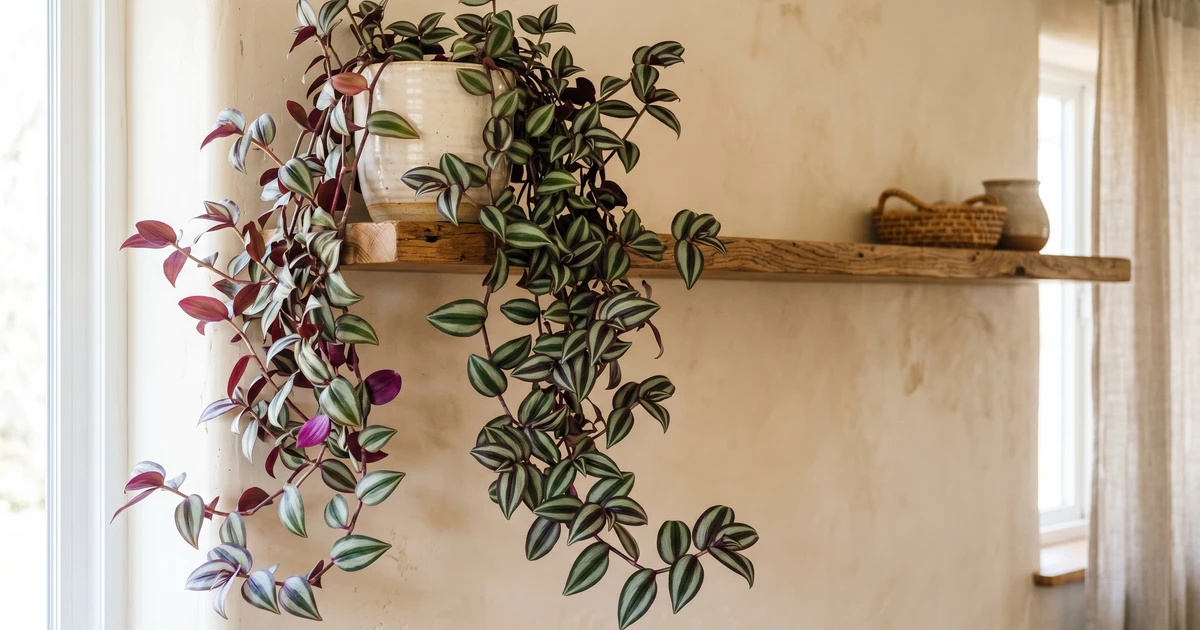
nutrient deficiency chlorosis on Philodendron
Quick answer
If your Philodendron has nutrient deficiency chlorosis, the most likely cause is: Nutrient deficiency in Philodendron manifests as uniform pale yellowing (chlorosis) across entire leaf surface, distinct from patterned spotting or basal-only yellowing. Nitrogen deficiency—most common in houseplants—causes generalized yellowing as chlorophyll synthesis fails. Micronutrient deficiencies (iron, magnesium, manganese) create interveinal chlorosis where leaf veins remain green while tissue between turns yellow. Unlike root rot or pests, deficiency symptoms appear gradually over 4-8 weeks with consistent care and no signs of pathogens or moisture stress.
Start here:
- 1. Confirm diagnosis: Uniform yellowing without spots, pests, or moisture issues indicates deficiency; interveinal pattern suggests micronutrient lack
- 2. Apply balanced liquid fertilizer at half strength (e.g., 10-10-10 NPK) every 2 weeks during growing season
Why Philodendron gets nutrient deficiency chlorosis
Philodendron spp.
Nutrient deficiency in Philodendron manifests as uniform pale yellowing (chlorosis) across entire leaf surface, distinct from patterned spotting or basal-only yellowing. Nitrogen deficiency—most common in houseplants—causes generalized yellowing as chlorophyll synthesis fails. Micronutrient deficiencies (iron, magnesium, manganese) create interveinal chlorosis where leaf veins remain green while tissue between turns yellow. Unlike root rot or pests, deficiency symptoms appear gradually over 4-8 weeks with consistent care and no signs of pathogens or moisture stress.
How to reverse nutrient deficiency chlorosis on Philodendron
- 1
Confirm diagnosis: Uniform yellowing without spots, pests, or moisture issues indicates deficiency; interveinal pattern suggests micronutrient lack
- 2
Apply balanced liquid fertilizer at half strength (e.g., 10-10-10 NPK) every 2 weeks during growing season
- 3
For micronutrient deficiencies: use chelated iron or complete micronutrient supplement following label rates
- 4
Flush soil monthly by watering until 20% drains from bottom to prevent salt buildup that locks nutrients
- 5
Consider repotting in fresh nutrient-rich mix if plant hasn't been repotted in 18+ months
- 6
Monitor new growth: healthy leaves should emerge with normal green color within 3-4 weeks of treatment
Keep nutrient deficiency chlorosis off this Philodendron
Fertilize every 2-4 weeks during active growth (spring-summer) with balanced houseplant fertilizer at half strength; flush soil monthly to prevent salt accumulation; repot every 12-18 months in fresh mix to replenish nutrients; maintain bright indirect light to support nutrient uptake and metabolic function.
Other Philodendron problems
Go Deeper
This is covered in-depth in the philodendron Mastery Pack — structured modules with video walkthroughs, advanced protocols, and rescue timelines.
Get the Mastery Pack — $37 →