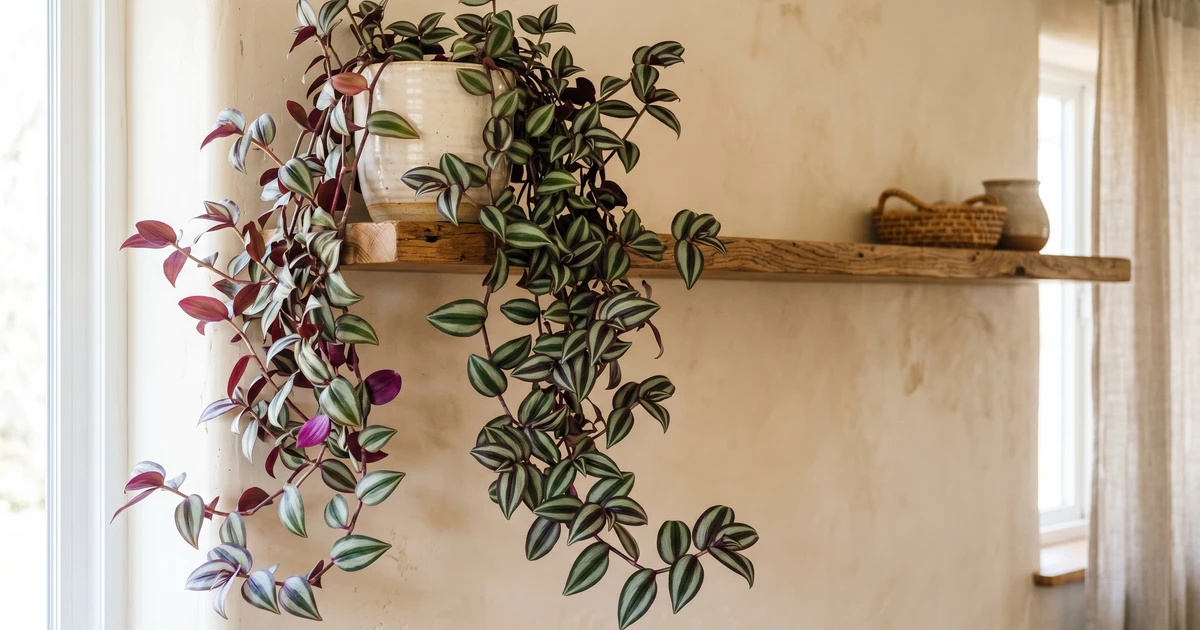
organic pest control on Philodendron
Quick answer
If your Philodendron has organic pest control, the most likely cause is: Philodendrons, like many tropical houseplants, attract common indoor pests including mealybugs, spider mites, fungus gnats, and thrips. These pests enter via contaminated soil, nursery stock, or poor quarantine practices. Philodendrons' large leaves and vining growth habit create hiding spots in leaf axils and undersides where pests multiply undetected. Organic pest control relies on prevention, early detection, mechanical removal, and botanical treatments rather than synthetic chemicals.
Start here:
- 1. Inspect weekly: Check leaf undersides, stems, and new growth with magnifying glass. Early detection prevents major infestations
- 2. Mechanical control: Remove visible pests with Q-tip and 70% isopropyl alcohol. Prune heavily infested leaves
Why Philodendron gets organic pest control
Philodendron spp.
Philodendrons, like many tropical houseplants, attract common indoor pests including mealybugs, spider mites, fungus gnats, and thrips. These pests enter via contaminated soil, nursery stock, or poor quarantine practices. Philodendrons' large leaves and vining growth habit create hiding spots in leaf axils and undersides where pests multiply undetected. Organic pest control relies on prevention, early detection, mechanical removal, and botanical treatments rather than synthetic chemicals.
How to reverse organic pest control on Philodendron
- 1
Inspect weekly: Check leaf undersides, stems, and new growth with magnifying glass. Early detection prevents major infestations
- 2
Mechanical control: Remove visible pests with Q-tip and 70% isopropyl alcohol. Prune heavily infested leaves
- 3
Water management: Allow top 2 inches of soil to dry between waterings to prevent fungus gnats. Use well-draining aroid mix
- 4
Apply neem oil: Mix 1-2% solution and spray thoroughly on all surfaces. Repeat every 7-10 days for 3-4 cycles to break pest life cycles
- 5
Use insecticidal soap: Effective for soft-bodied pests like mealybugs and aphids. Apply in morning or evening
- 6
Biological controls: Apply BTI (mosquito bits) to soil for fungus gnat larvae. Use sticky traps to monitor adult populations
- 7
Environmental management: Maintain 40-60% humidity to deter spider mites. Increase airflow with fans to discourage pests while maintaining humidity
- 8
Quarantine: Isolate new plants for 2-4 weeks before introducing to collection
Keep organic pest control off this Philodendron
Quarantine new plants 2-4 weeks with weekly inspections. Use sterile well-draining potting mix. Maintain consistent care—avoid overwatering and low humidity stress. Clean leaves monthly. Apply preventive neem oil monthly during growing season. Monitor with sticky traps.
Other Philodendron problems
Go Deeper
This is covered in-depth in the philodendron Mastery Pack — structured modules with video walkthroughs, advanced protocols, and rescue timelines.
Get the Mastery Pack — $37 →