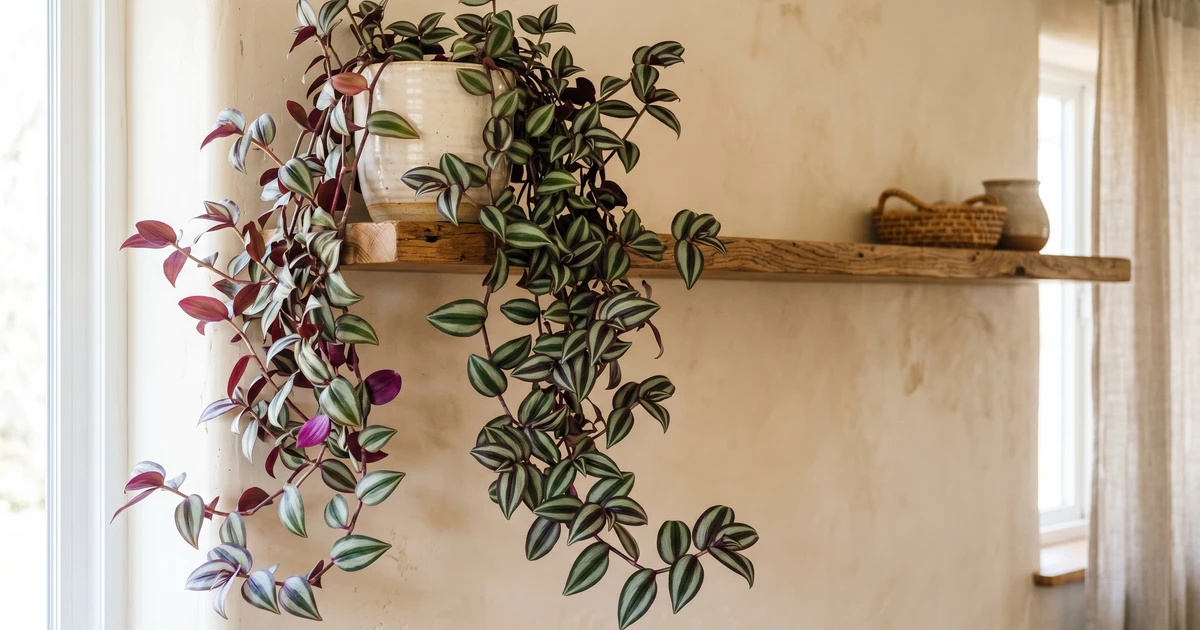
overwatering diagnosis and Philodendron
Quick answer
If overwatering diagnosis is what's going on with your Philodendron, the most likely cause is: Distinguishing overwatering from underwatering is critical for Philodendron care. Overwatering causes root oxygen deprivation leading to root rot, with symptoms including: uniformly yellowing leaves, soft/mushy leaf texture, black or mushy roots, foul soil odor, mold on soil surface, and wilting despite wet soil. Underwatering causes: crispy, dry leaf edges, thin/papery leaves, slow growth, and drooping with dry soil. The key diagnostic is soil moisture—overwatered plants sit in wet soil while underwatered plants have dry soil. Philodendrons prefer consistent moisture but are forgiving of brief dry periods.
Start here:
- 1. 1. Check soil moisture: insert finger 2-3 inches deep or use moisture meter
- 2. 2. If soil is wet and plant shows yellowing: stop watering, check roots for rot
Why overwatering diagnosis happens to Philodendron
Philodendron spp.
Distinguishing overwatering from underwatering is critical for Philodendron care. Overwatering causes root oxygen deprivation leading to root rot, with symptoms including: uniformly yellowing leaves, soft/mushy leaf texture, black or mushy roots, foul soil odor, mold on soil surface, and wilting despite wet soil. Underwatering causes: crispy, dry leaf edges, thin/papery leaves, slow growth, and drooping with dry soil. The key diagnostic is soil moisture—overwatered plants sit in wet soil while underwatered plants have dry soil. Philodendrons prefer consistent moisture but are forgiving of brief dry periods.
How to correct overwatering diagnosis on Philodendron
- 1
1. Check soil moisture: insert finger 2-3 inches deep or use moisture meter
- 2
2. If soil is wet and plant shows yellowing: stop watering, check roots for rot
- 3
3. If soil is dry and leaves are crispy/thin: water thoroughly until drainage occurs
- 4
4. For overwatering recovery: allow soil to dry completely before next watering
- 5
5. For underwatered plant: bottom-water by placing pot in water for 15-20 minutes
- 6
6. If root rot present: unpot, trim rotted roots, treat with hydrogen peroxide, repot in fresh mix
- 7
7. Adjust schedule based on seasonal changes and environmental conditions
Keep overwatering diagnosis from repeating on this Philodendron
Water only when top 2-3 inches of soil are dry. Use well-draining aroid mix. Ensure pots have drainage holes. Adjust watering seasonally—less in winter, more in summer. Use moisture meter for precision. Check pot weight—light indicates dry, heavy indicates wet. Monitor leaf texture and turgor.
Other Philodendron problems
Go Deeper
This is covered in-depth in the philodendron Mastery Pack — structured modules with video walkthroughs, advanced protocols, and rescue timelines.
Get the Mastery Pack — $37 →