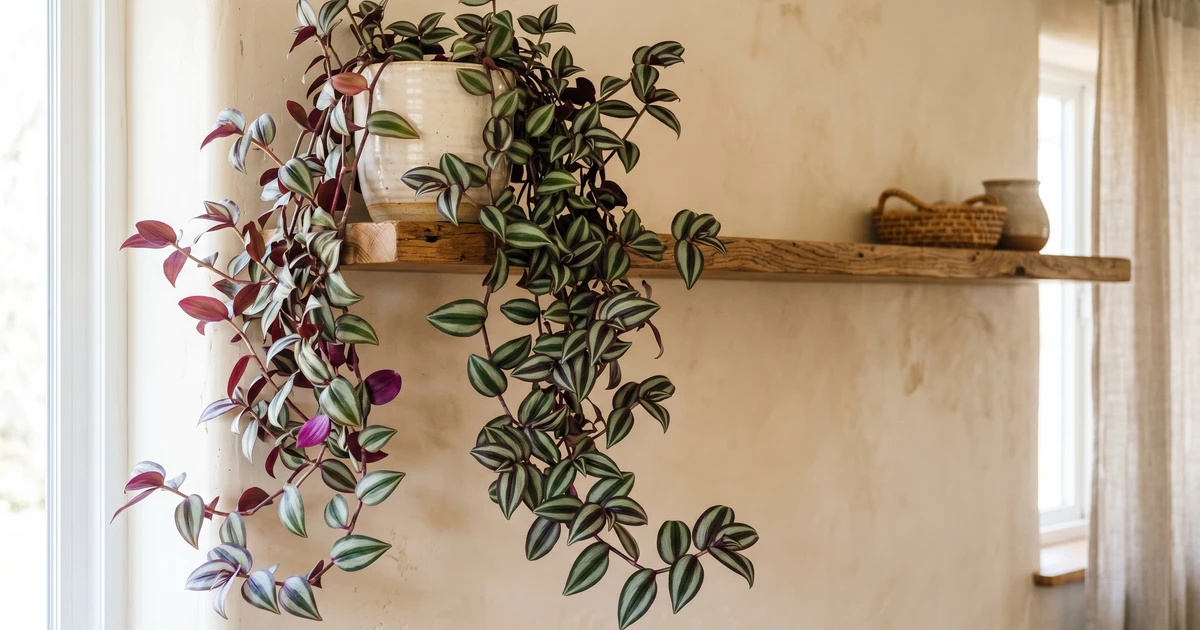
plant stress tolerance on Philodendron
Quick answer
If your Philodendron has plant stress tolerance, the most likely cause is: Foliar application of nano-chitosan (302.6 nm particles) increases photosynthetic efficiency and antioxidant enzyme activity (peroxidase +106%, catalase +92%) by enhancing metabolic processes and cellular resistance to stress through activation of signaling pathways involving nitric oxide and hydrogen peroxide.
Start here:
- 1. Dissolve 2-3 mg of nano-chitosan per liter of distilled water
- 2. Apply as foliar spray until runoff, every 15 days during growing season
Why Philodendron gets plant stress tolerance
Philodendron spp.
Foliar application of nano-chitosan (302.6 nm particles) increases photosynthetic efficiency and antioxidant enzyme activity (peroxidase +106%, catalase +92%) by enhancing metabolic processes and cellular resistance to stress through activation of signaling pathways involving nitric oxide and hydrogen peroxide.
How to reverse plant stress tolerance on Philodendron
- 1
Dissolve 2-3 mg of nano-chitosan per liter of distilled water
- 2
Apply as foliar spray until runoff, every 15 days during growing season
- 3
For best results, combine with 2 mg/L nano-NPK in the same solution
- 4
Monitor peroxidase and catalase activity as biofeedback for stress tolerance improvement
- 5
Avoid application during peak sunlight — morning or evening is optimal
Keep plant stress tolerance off this Philodendron
Apply nano-chitosan at 2-3 mg/L as foliar spray every 15 days during active growth. Use in combination with nano-NPK at 2 mg/L for synergistic effect on chlorophyll synthesis and stress tolerance.
Other Philodendron problems
Go Deeper
This is covered in-depth in the philodendron Mastery Pack — structured modules with video walkthroughs, advanced protocols, and rescue timelines.
Get the Mastery Pack — $37 →