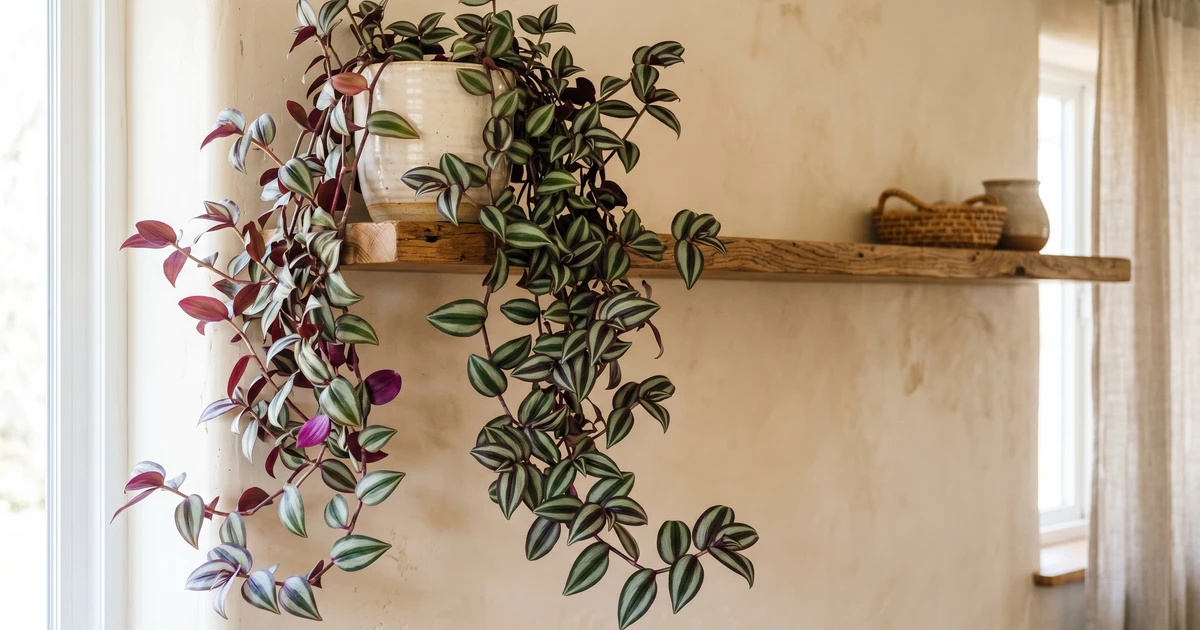
pot sizing on Philodendron
Quick answer
If your Philodendron has pot sizing, the most likely cause is: Oversized pots are a leading cause of Philodendron decline because the excess soil volume retains moisture long after the limited root system can absorb it. This creates anaerobic conditions in the root zone, promoting root rot pathogens (Pythium, Fusarium) and surface mold. Conversely, severely rootbound plants (roots circling pot) experience nutrient depletion, restricted water uptake causing chronic underwatering symptoms, and growth stunting. Philodendrons prefer being slightly rootbound and stress when moved to excessively large containers.
Start here:
- 1. 1. Inspect roots by gently removing from pot—look for circling or emerging from holes
- 2. 2. For rootbound: repot into container 1-2 inches larger with fresh aroid mix
Why Philodendron gets pot sizing
Philodendron spp.
Oversized pots are a leading cause of Philodendron decline because the excess soil volume retains moisture long after the limited root system can absorb it. This creates anaerobic conditions in the root zone, promoting root rot pathogens (Pythium, Fusarium) and surface mold. Conversely, severely rootbound plants (roots circling pot) experience nutrient depletion, restricted water uptake causing chronic underwatering symptoms, and growth stunting. Philodendrons prefer being slightly rootbound and stress when moved to excessively large containers.
How to reverse pot sizing on Philodendron
- 1
1. Inspect roots by gently removing from pot—look for circling or emerging from holes
- 2
2. For rootbound: repot into container 1-2 inches larger with fresh aroid mix
- 3
3. For oversized pot causing issues: downsize to appropriate container or switch to terracotta
- 4
4. If keeping oversized pot: use very chunky mix (70% amendments) and water sparingly
- 5
5. Tease circling roots gently before repotting to encourage outward growth
- 6
6. After repotting, wait 1-2 weeks before watering to allow root healing
- 7
7. Monitor soil moisture carefully—oversized pots dry unevenly
Keep pot sizing off this Philodendron
Choose pots only 1-2 inches larger than root ball diameter. Ensure pots have drainage holes. Use well-draining aroid mix. Check root system annually by gently removing from pot. Repot when roots circle the bottom or emerge from drainage holes. For cuttings, start in 4-inch pots and size up gradually. Match pot material to environment—terracotta for humid areas, plastic/glazed for dry climates.
Other Philodendron problems
Go Deeper
This is covered in-depth in the philodendron Mastery Pack — structured modules with video walkthroughs, advanced protocols, and rescue timelines.
Get the Mastery Pack — $37 →