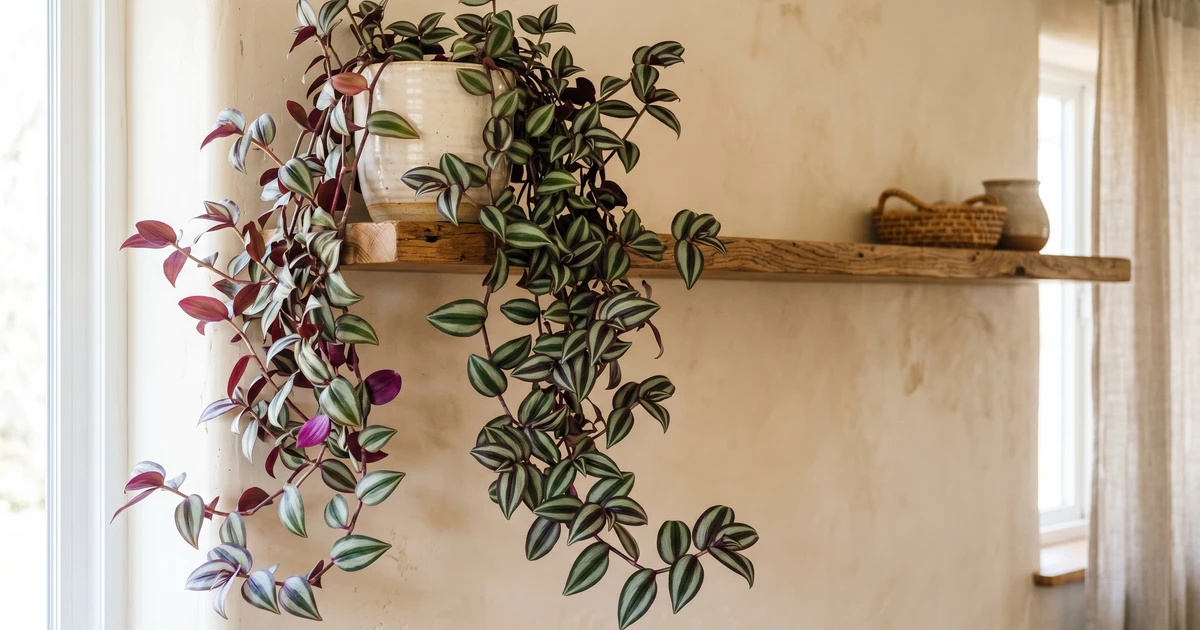
root rot in dense soil on Philodendron
Quick answer
If your Philodendron has root rot in dense soil, the most likely cause is: Philodendron root rot in aroid mix occurs when soil composition lacks sufficient porosity for oxygen exchange. Standard potting soil retains moisture for 10-14 days in philodendron pots, far exceeding the 7-day maximum aerobic threshold. The Araceae family is susceptible to multiple rot pathogens: Pythium (oomycete), Phytophthora (water mold), and Fusarium (fungus) all thrive in saturated conditions. Xanthomonas bacteria also colonize aroid roots under anaerobic stress.
Start here:
- 1. Immediate unpotting: Remove plant and gently rinse all soil from roots
- 2. Surgical root inspection: Trim ALL black, brown, mushy, or foul-smelling roots
Why Philodendron gets root rot in dense soil
Philodendron spp.
Philodendron root rot in aroid mix occurs when soil composition lacks sufficient porosity for oxygen exchange. Standard potting soil retains moisture for 10-14 days in philodendron pots, far exceeding the 7-day maximum aerobic threshold. The Araceae family is susceptible to multiple rot pathogens: Pythium (oomycete), Phytophthora (water mold), and Fusarium (fungus) all thrive in saturated conditions. Xanthomonas bacteria also colonize aroid roots under anaerobic stress.
How to reverse root rot in dense soil on Philodendron
- 1
Immediate unpotting: Remove plant and gently rinse all soil from roots
- 2
Surgical root inspection: Trim ALL black, brown, mushy, or foul-smelling roots
- 3
Sterilize remaining tissue: Soak healthy roots in 3% hydrogen peroxide for 20 minutes
- 4
Apply cinnamon powder to cut ends as natural antifungal barrier
- 5
Repot in fresh chunky mix: 40% bark/perlite, 40% potting soil, 20% charcoal
- 6
Wait 10-14 days before first watering to allow root callusing
- 7
Resume watering only when top 3 inches are completely dry
Keep root rot in dense soil off this Philodendron
Use chunky aroid-specific mix: minimum 40% drainage components (perlite, pumice, orchid bark); choose terracotta pots for moisture wicking; water only when top 2-3 inches are dry; empty saucers within 30 minutes of watering; avoid pots without drainage holes entirely.
Other Philodendron problems
Go Deeper
This is covered in-depth in the philodendron Mastery Pack — structured modules with video walkthroughs, advanced protocols, and rescue timelines.
Get the Mastery Pack — $37 →