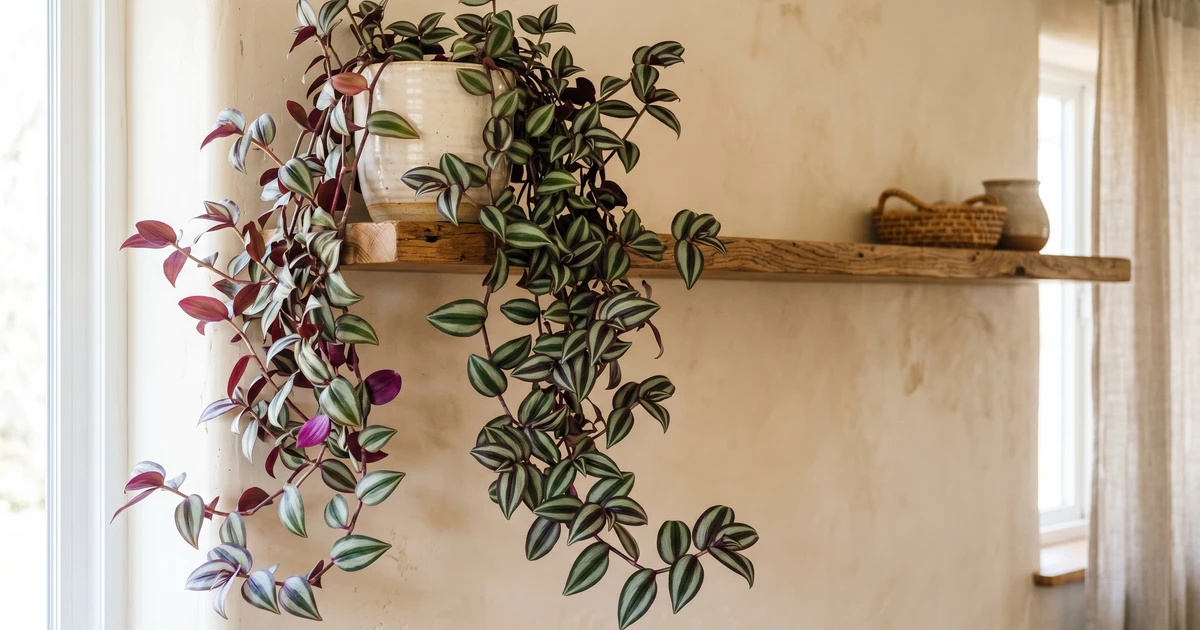
sport variegation on Philodendron
Quick answer
If your Philodendron has sport variegation, the most likely cause is: Sport variegation in Philodendron is a spontaneous genetic mutation (chimeric) occurring in meristematic tissue, producing random white, cream, or pink sectors on otherwise green leaves. Unlike stable cultivar variegation (Pink Princess, White Princess), sport variegation is unstable and typically appears sporadically on single leaves or temporary stem sections. It is triggered by stress recovery, hormonal fluctuations, or random genetic recombination. Sport variegation often reverts to green in subsequent growth, making it exciting but unpredictable for collectors.
Start here:
- 1. 1. Document sport variegation with photos immediately upon discovery
- 2. 2. Maintain bright indirect light—variegated sectors need more light than green tissue
Why Philodendron gets sport variegation
Philodendron spp.
Sport variegation in Philodendron is a spontaneous genetic mutation (chimeric) occurring in meristematic tissue, producing random white, cream, or pink sectors on otherwise green leaves. Unlike stable cultivar variegation (Pink Princess, White Princess), sport variegation is unstable and typically appears sporadically on single leaves or temporary stem sections. It is triggered by stress recovery, hormonal fluctuations, or random genetic recombination. Sport variegation often reverts to green in subsequent growth, making it exciting but unpredictable for collectors.
How to reverse sport variegation on Philodendron
- 1
1. Document sport variegation with photos immediately upon discovery
- 2
2. Maintain bright indirect light—variegated sectors need more light than green tissue
- 3
3. Propagate stem cuttings from variegated nodes while expression is visible
- 4
4. Root cuttings in sphagnum moss or perlite with high humidity (80%+) to maximize success
- 5
5. Monitor subsequent growth: if variegation stabilizes over 3+ leaves, may be semi-stable
- 6
6. If reversion occurs, appreciate the temporary beauty—sport variegation is inherently ephemeral
- 7
7. Share cuttings with other collectors to preserve genetics before potential reversion
Keep sport variegation off this Philodendron
Maintain optimal growing conditions to support variegation persistence: bright indirect light (3000-5000 lux), 65-80% humidity, and consistent moisture. Avoid over-fertilizing with nitrogen which promotes green growth. Provide support for climbing to encourage mature growth where variegation often stabilizes slightly. Document variegated leaves via photography as they may not persist.
Other Philodendron problems
Go Deeper
This is covered in-depth in the philodendron Mastery Pack — structured modules with video walkthroughs, advanced protocols, and rescue timelines.
Get the Mastery Pack — $37 →