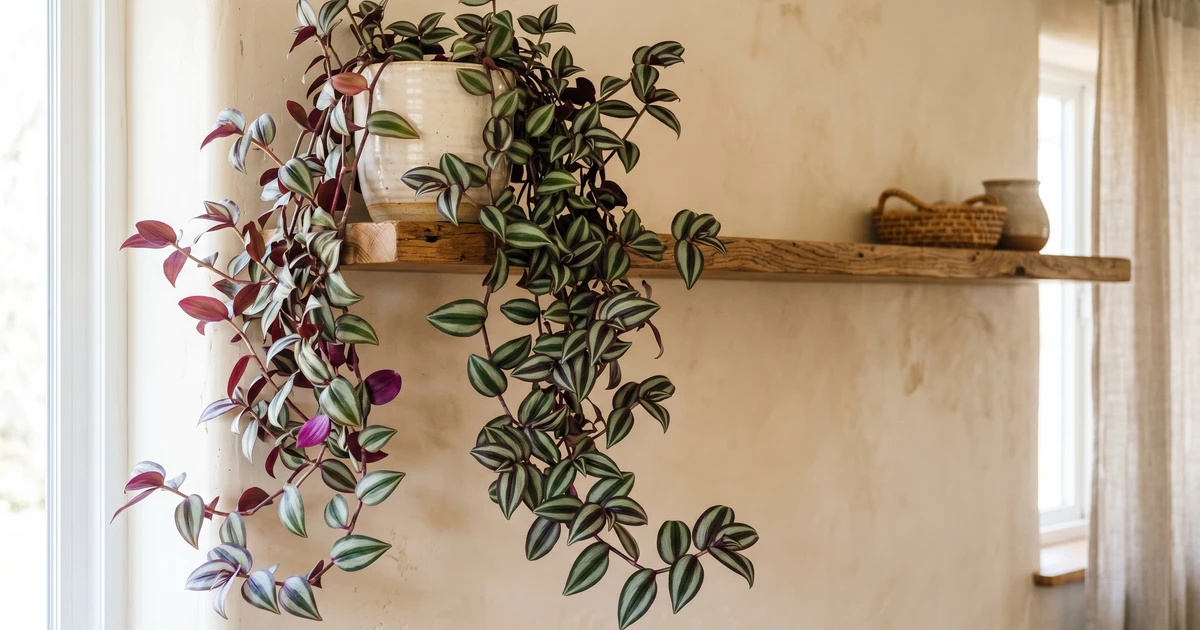
thrips and spider mites on Philodendron
Quick answer
If your Philodendron has thrips and spider mites, the most likely cause is: Thrips infestations on Philodendron cause silvery stippling, distorted new growth, and black specks (frass) on leaves. These tiny, slender insects rasp leaf tissue and suck sap, thriving in warm, dry indoor conditions. Spider mites appear as tiny yellow/white stippling, fine webbing between leaves and stems, and rapid population explosions in hot, dry air. Both pests spread quickly between plants and weaken Philodendron by extracting vital fluids. Variegated varieties are particularly susceptible due to reduced vigor.
Start here:
- 1. 1. Isolate infested plant immediately to prevent spread
- 2. 2. For thrips: spray with strong water to dislodge, then apply spinosad (Captain Jack's Dead Bug Brew) every 7-10 days for 3-4 cycles
Why Philodendron gets thrips and spider mites
Philodendron spp.
Thrips infestations on Philodendron cause silvery stippling, distorted new growth, and black specks (frass) on leaves. These tiny, slender insects rasp leaf tissue and suck sap, thriving in warm, dry indoor conditions. Spider mites appear as tiny yellow/white stippling, fine webbing between leaves and stems, and rapid population explosions in hot, dry air. Both pests spread quickly between plants and weaken Philodendron by extracting vital fluids. Variegated varieties are particularly susceptible due to reduced vigor.
How to reverse thrips and spider mites on Philodendron
- 1
1. Isolate infested plant immediately to prevent spread
- 2
2. For thrips: spray with strong water to dislodge, then apply spinosad (Captain Jack's Dead Bug Brew) every 7-10 days for 3-4 cycles
- 3
3. For spider mites: increase humidity immediately via showering, apply neem oil or miticide every 5-7 days for 2-3 weeks
- 4
4. Use systemic granules (imidacloprid) in soil for severe infestations—protects for 8 weeks
- 5
5. Treat ALL nearby plants even if asymptomatic—pegs spread rapidly
- 6
6. Prune heavily damaged leaves to reduce pest habitat
- 7
7. Monitor with sticky traps for 1-2 months to catch stragglers
Keep thrips and spider mites off this Philodendron
Quarantine new plants for 2-4 weeks. Inspect plants weekly, especially new growth and leaf undersides. Maintain 50-60% humidity—pests prefer dry air. Use yellow sticky traps for early detection. Avoid over-fertilizing with nitrogen which attracts pests. Shower plants monthly as preventive measure. Increase air circulation without creating drafts.
Other Philodendron problems
Go Deeper
This is covered in-depth in the philodendron Mastery Pack — structured modules with video walkthroughs, advanced protocols, and rescue timelines.
Get the Mastery Pack — $37 →