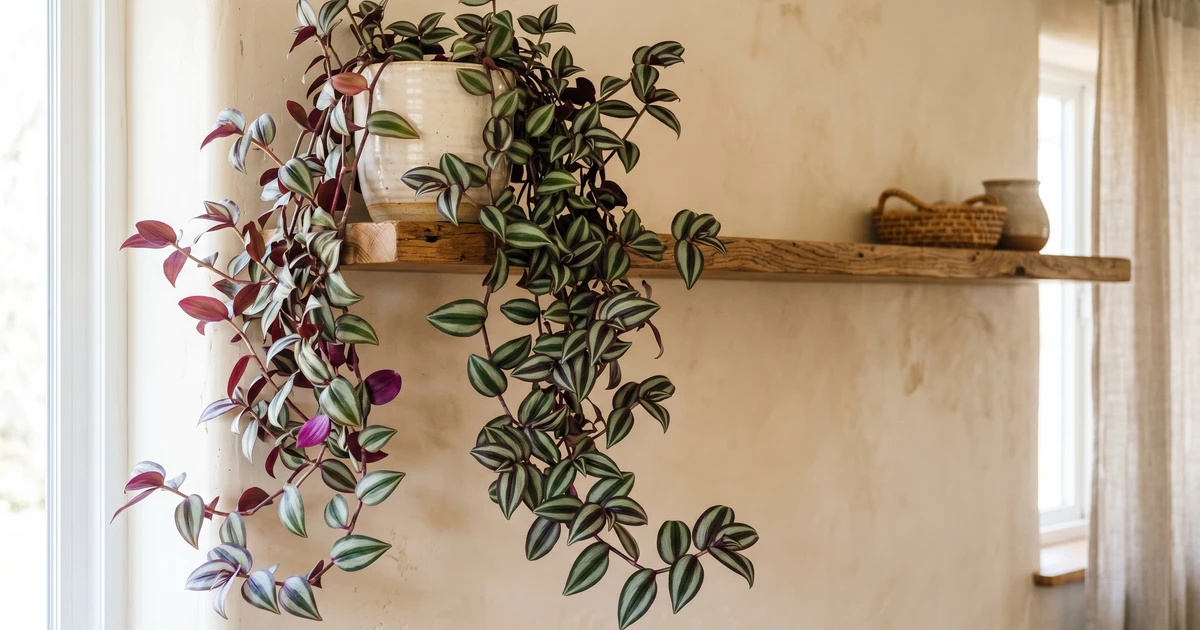
thrips infestation on Philodendron
Quick answer
If your Philodendron has thrips infestation, the most likely cause is: Thrips are tiny, slender insects that feed by rasping leaf tissue and sucking sap. They cause silvery or translucent stippling, black frass specks, and distorted or stunted new growth. Thrips reproduce rapidly and can spread quickly throughout a collection. They prefer dry conditions and low humidity.
Start here:
- 1. Isolate infested plant immediately
- 2. Confirm ID: shake leaves over white paper to see tiny moving specks
Why Philodendron gets thrips infestation
Philodendron spp.
Thrips are tiny, slender insects that feed by rasping leaf tissue and sucking sap. They cause silvery or translucent stippling, black frass specks, and distorted or stunted new growth. Thrips reproduce rapidly and can spread quickly throughout a collection. They prefer dry conditions and low humidity.
Other documented causes on philodendron:
- • Thrips (Thysanoptera) infestations in Philodendron cause distinctive stippled yellowing as these sap-sucking pests pierce leaf cells and extract chlorophyll-rich contents. The 1-2mm slender insects—visible as tiny black specks (adults) or white larvae (wiggly on undersides)—congregate on new growth and leaf undersides. Unlike other stressors, thrips damage appears as silvery or bronzed flattened patches with black fecal specks; severe infestations cause leaf distortion, stunted new growth, and accelerated senescence. High humidity environments (70%+) favor thrips reproduction, making Philodendrons in humid conditions particularly vulnerable.
How to reverse thrips infestation on Philodendron
- 1
Isolate infested plant immediately
- 2
Confirm ID: shake leaves over white paper to see tiny moving specks
- 3
Prune heavily damaged leaves and dispose in sealed bag
- 4
Apply insecticidal soap or neem oil every 5-7 days for 3-4 cycles
- 5
Use systemic insecticide (spinosad or imidacloprid) for severe cases
- 6
Treat ALL nearby plants preventively
- 7
Deploy yellow sticky traps to catch adults
- 8
Maintain high humidity to deter reinfestation
Keep thrips infestation off this Philodendron
Maintain 60-70% humidity. Quarantine new plants for 2-4 weeks. Use yellow sticky traps. Inspect plants weekly with 10x magnification. Increase airflow without creating drafts.
Other Philodendron problems
Same Problem on Other Plants
Go Deeper
This is covered in-depth in the philodendron Mastery Pack — structured modules with video walkthroughs, advanced protocols, and rescue timelines.
Get the Mastery Pack — $37 →