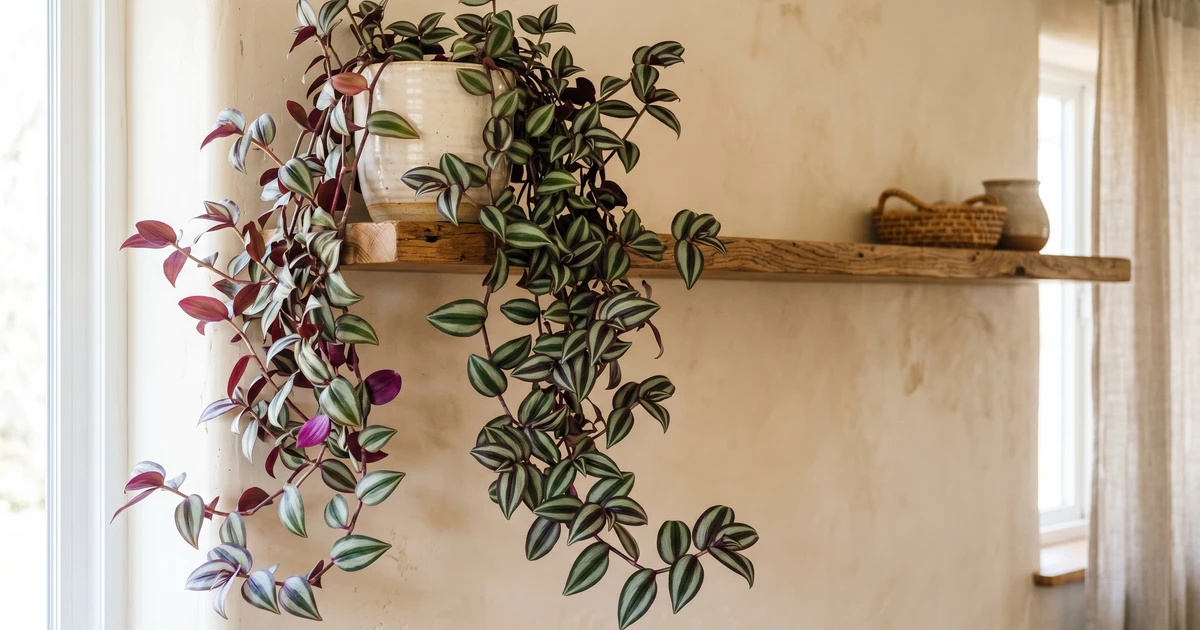
transplant shock leaf drop on Philodendron
Quick answer
If your Philodendron has transplant shock leaf drop, the most likely cause is: Transplant shock in Philodendron occurs when roots are disturbed during repotting, causing micro-tears in fine root hairs that are responsible for 90% of water and nutrient uptake. The plant responds by dropping older leaves to reduce transpiration load while repairing vascular connections. This is particularly common when rootbound plants are aggressively untangled or when plants are moved from stable nursery conditions to variable home environments within days of purchase.
Start here:
- 1. Inspect roots during repot: Only trim visibly rotted or damaged roots, leave healthy bound roots intact
- 2. Maintain pre-repot watering schedule: Do not increase or decrease frequency during shock period
Why Philodendron gets transplant shock leaf drop
Philodendron spp.
Transplant shock in Philodendron occurs when roots are disturbed during repotting, causing micro-tears in fine root hairs that are responsible for 90% of water and nutrient uptake. The plant responds by dropping older leaves to reduce transpiration load while repairing vascular connections. This is particularly common when rootbound plants are aggressively untangled or when plants are moved from stable nursery conditions to variable home environments within days of purchase.
How to reverse transplant shock leaf drop on Philodendron
- 1
Inspect roots during repot: Only trim visibly rotted or damaged roots, leave healthy bound roots intact
- 2
Maintain pre-repot watering schedule: Do not increase or decrease frequency during shock period
- 3
Remove fully yellowed leaves at base with sterile scissors to redirect energy
- 4
Provide consistent bright indirect light—avoid moving plant to new locations
- 5
Expect 2-4 week recovery period; new growth indicates successful root reestablishment
- 6
Hold all fertilizer for 4-6 weeks to avoid burning stressed roots
Keep transplant shock leaf drop off this Philodendron
Water plant 24 hours before repotting to reduce stress; tease root ball gently without aggressive untangling; repot at same depth as original pot; avoid fertilizing for 4-6 weeks post-repot; maintain stable temperature (65-80°F) and humidity (60-80%).
Other Philodendron problems
Go Deeper
This is covered in-depth in the philodendron Mastery Pack — structured modules with video walkthroughs, advanced protocols, and rescue timelines.
Get the Mastery Pack — $37 →