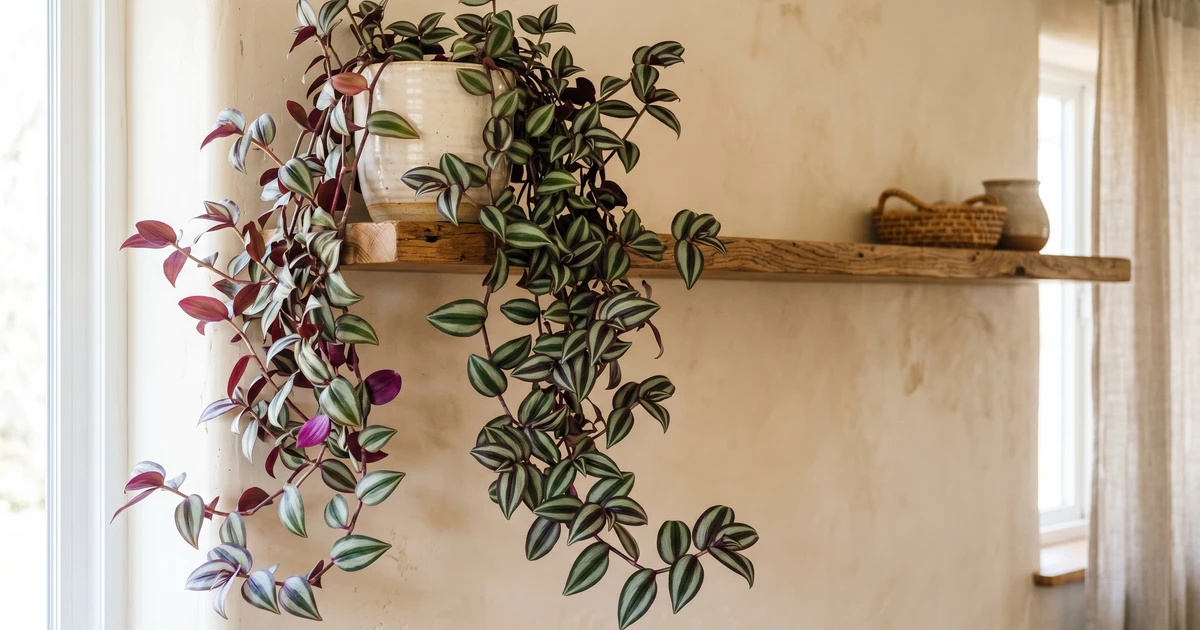
transplant shock on Philodendron
Quick answer
If your Philodendron has transplant shock, the most likely cause is: Transplant shock occurs when repotting disturbs root system or changes growing environment. Roots need time to reestablish in new soil before supporting full foliage.
Start here:
- 1. Expect temporary leaf drop or yellowing for 1-2 weeks post-repot
- 2. Maintain consistent moisture - do not let soil dry completely during recovery
Why Philodendron gets transplant shock
Philodendron spp.
Transplant shock occurs when repotting disturbs root system or changes growing environment. Roots need time to reestablish in new soil before supporting full foliage.
Other documented causes on philodendron:
- • Transplant shock occurs when root disturbance during repotting interrupts the plant's water and nutrient uptake. Philodendrons suffer shock when root balls are aggressively rinsed, roots are untangled excessively, or when moved to significantly different soil or environmental conditions.
How to reverse transplant shock on Philodendron
- 1
Expect temporary leaf drop or yellowing for 1-2 weeks post-repot
- 2
Maintain consistent moisture - do not let soil dry completely during recovery
- 3
Provide bright indirect light but avoid direct sun stress
- 4
Do not fertilize for 4-6 weeks after repotting
- 5
Remove only completely yellowed leaves; leave partially affected ones
- 6
New growth indicates successful recovery
Keep transplant shock off this Philodendron
Repot during active growth (spring). Water plant 2 days before repotting. Handle roots gently. Maintain same soil depth.
Other Philodendron problems
Same Problem on Other Plants
Go Deeper
This is covered in-depth in the philodendron Mastery Pack — structured modules with video walkthroughs, advanced protocols, and rescue timelines.
Get the Mastery Pack — $37 →