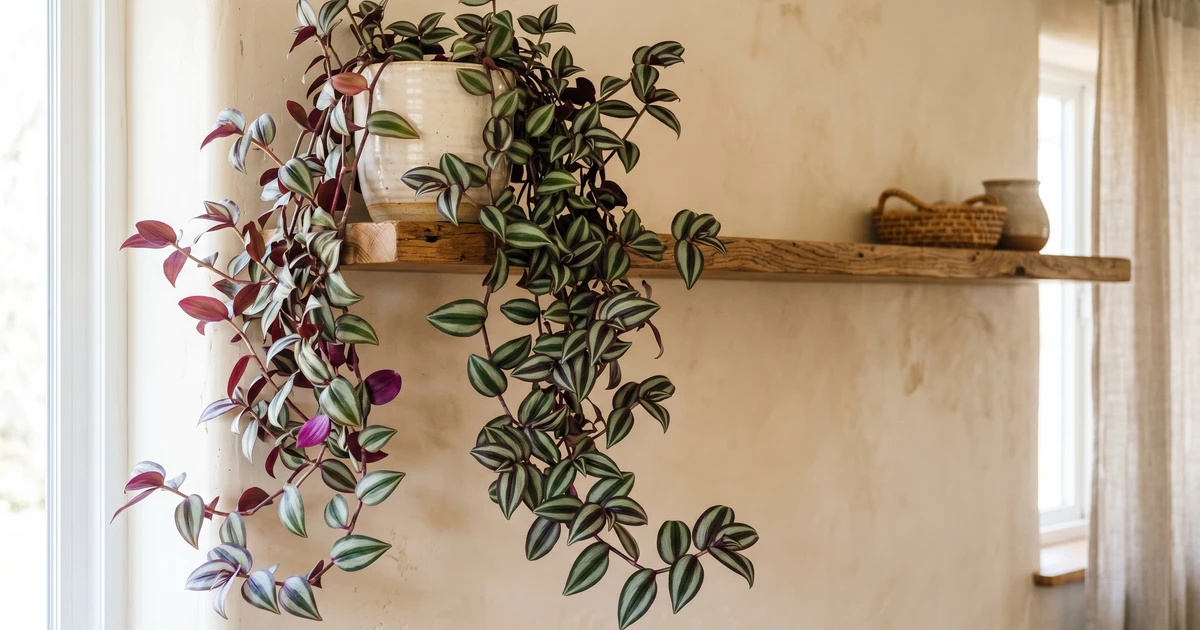
variegated root rot sensitivity on Philodendron
Quick answer
If your Philodendron has variegated root rot sensitivity, the most likely cause is: Variegated Philodendron varieties (Pink Princess, White Princess, White Knight) exhibit increased rot sensitivity due to reduced chlorophyll content in white/pink sectors. Lower photosynthetic capacity means slower transpiration rates, keeping soil moist for extended periods compared to fully green specimens. Additionally, variegated tissue has reduced structural integrity and fewer defensive compounds, making roots more vulnerable to opportunistic pathogens like Pythium when conditions are even slightly suboptimal.
Start here:
- 1. Increase light: Position variegated varieties in brighter indirect light (3000-6000 lux) to accelerate transpiration
- 2. Adjust watering: Allow top 3 inches to dry completely—extend schedule by 3-5 days versus green varieties
Why Philodendron gets variegated root rot sensitivity
Philodendron spp.
Variegated Philodendron varieties (Pink Princess, White Princess, White Knight) exhibit increased rot sensitivity due to reduced chlorophyll content in white/pink sectors. Lower photosynthetic capacity means slower transpiration rates, keeping soil moist for extended periods compared to fully green specimens. Additionally, variegated tissue has reduced structural integrity and fewer defensive compounds, making roots more vulnerable to opportunistic pathogens like Pythium when conditions are even slightly suboptimal.
How to reverse variegated root rot sensitivity on Philodendron
- 1
Increase light: Position variegated varieties in brighter indirect light (3000-6000 lux) to accelerate transpiration
- 2
Adjust watering: Allow top 3 inches to dry completely—extend schedule by 3-5 days versus green varieties
- 3
Downsize pots: Use containers only 1-2 inches larger than root ball to minimize excess soil moisture
- 4
Enhance drainage: Increase perlite/bark to 60% of mix for variegated specimens
- 5
Monitor closely: Check soil moisture 2x weekly with finger test or meter
- 6
Propagate backup: Take cuttings from healthy sections early if rot suspected—variegated genetics are valuable
Keep variegated root rot sensitivity off this Philodendron
Provide 20-30% brighter light than green varieties to compensate for reduced chlorophyll; extend dry-out periods by 2-3 days compared to green specimens; use smaller pots to reduce soil volume and moisture retention; maintain higher humidity (70-80%) to reduce overall water needs.
Other Philodendron problems
Go Deeper
This is covered in-depth in the philodendron Mastery Pack — structured modules with video walkthroughs, advanced protocols, and rescue timelines.
Get the Mastery Pack — $37 →