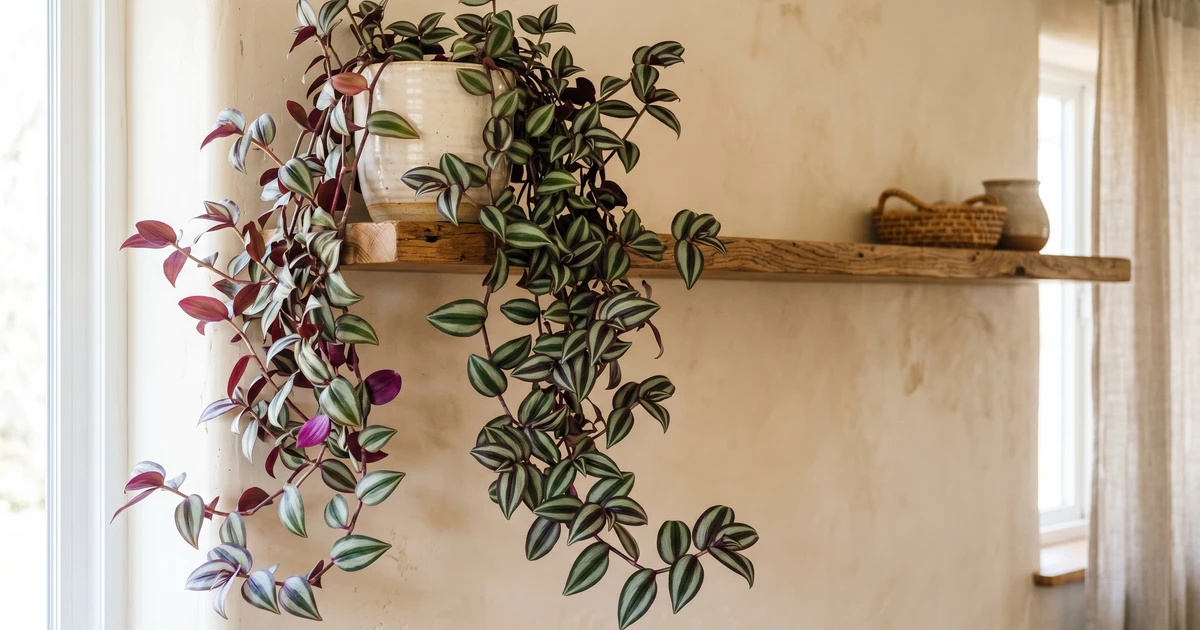
variegated slow growth on Philodendron
Quick answer
If your Philodendron has variegated slow growth, the most likely cause is: Variegated philodendrons grow 40-60% slower than green varieties due to reduced chlorophyll and photosynthetic capacity. The white/cream sectors cannot contribute to energy production, forcing the plant to allocate limited resources more conservatively.
Start here:
- 1. Expect 30-50% slower growth rate compared to green varieties
- 2. Use 1/4 to 1/2 strength fertilizer to prevent root burn on reduced root mass
Why Philodendron gets variegated slow growth
Philodendron spp.
Variegated philodendrons grow 40-60% slower than green varieties due to reduced chlorophyll and photosynthetic capacity. The white/cream sectors cannot contribute to energy production, forcing the plant to allocate limited resources more conservatively.
How to reverse variegated slow growth on Philodendron
- 1
Expect 30-50% slower growth rate compared to green varieties
- 2
Use 1/4 to 1/2 strength fertilizer to prevent root burn on reduced root mass
- 3
Focus on maintaining variegation rather than forcing rapid growth
- 4
Monitor for green reversion: prune green growth to preserve variegation
- 5
Allow soil to dry more between waterings - slower growth means less water consumption
- 6
Patience is key: new leaves may take 4-8 weeks to develop vs 2-4 for green varieties
Keep variegated slow growth off this Philodendron
Accept slower growth as normal for variegated cultivars. Avoid over-fertilizing to force growth, which causes root burn and further stress. Provide optimal conditions to maximize the limited photosynthetic capacity.
Other Philodendron problems
Go Deeper
This is covered in-depth in the philodendron Mastery Pack — structured modules with video walkthroughs, advanced protocols, and rescue timelines.
Get the Mastery Pack — $37 →