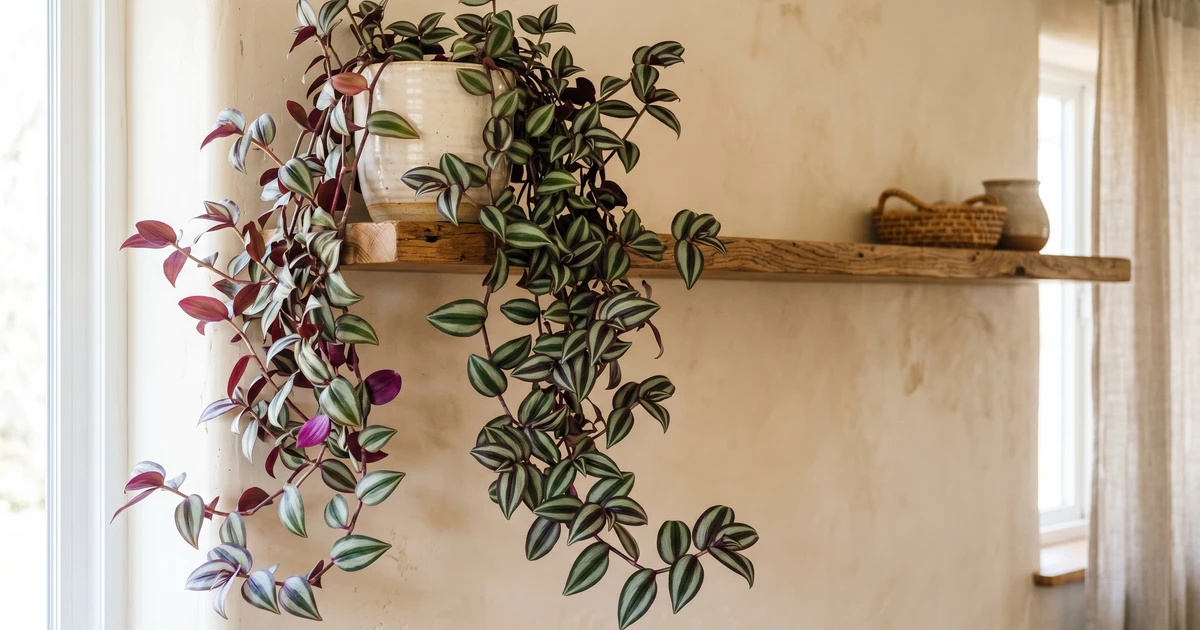
variegation stability on Philodendron
Quick answer
If your Philodendron has variegation stability, the most likely cause is: Variegation instability in Philodendron 'Pink Princess' and similar cultivars results from chimeric tissue (genetic mosaicism) where white/pink sectors lack chlorophyll-producing cells. Reversion to green occurs when meristematic tissue loses mutation.
Start here:
- 1. Prune reverting (all-green) stems back to last variegated node to encourage new variegated growth
- 2. Provide 2000-4000 lux bright indirect light to reduce stress on low-chlorophyll tissue
Why Philodendron gets variegation stability
Philodendron spp.
Variegation instability in Philodendron 'Pink Princess' and similar cultivars results from chimeric tissue (genetic mosaicism) where white/pink sectors lack chlorophyll-producing cells. Reversion to green occurs when meristematic tissue loses mutation.
How to reverse variegation stability on Philodendron
- 1
Prune reverting (all-green) stems back to last variegated node to encourage new variegated growth
- 2
Provide 2000-4000 lux bright indirect light to reduce stress on low-chlorophyll tissue
- 3
Avoid fertilizers high in nitrogen which promote green growth over variegation
- 4
Propagate from most variegated stems to preserve traits
- 5
Accept that some reversion is natural and cannot be fully prevented
Keep variegation stability off this Philodendron
Purchase from reputable propagators with stable variegation lines. Avoid tissue-culture clones known for reversion. Maintain bright indirect light to support chlorophyll in variegated sectors.
Other Philodendron problems
Go Deeper
This is covered in-depth in the philodendron Mastery Pack — structured modules with video walkthroughs, advanced protocols, and rescue timelines.
Get the Mastery Pack — $37 →