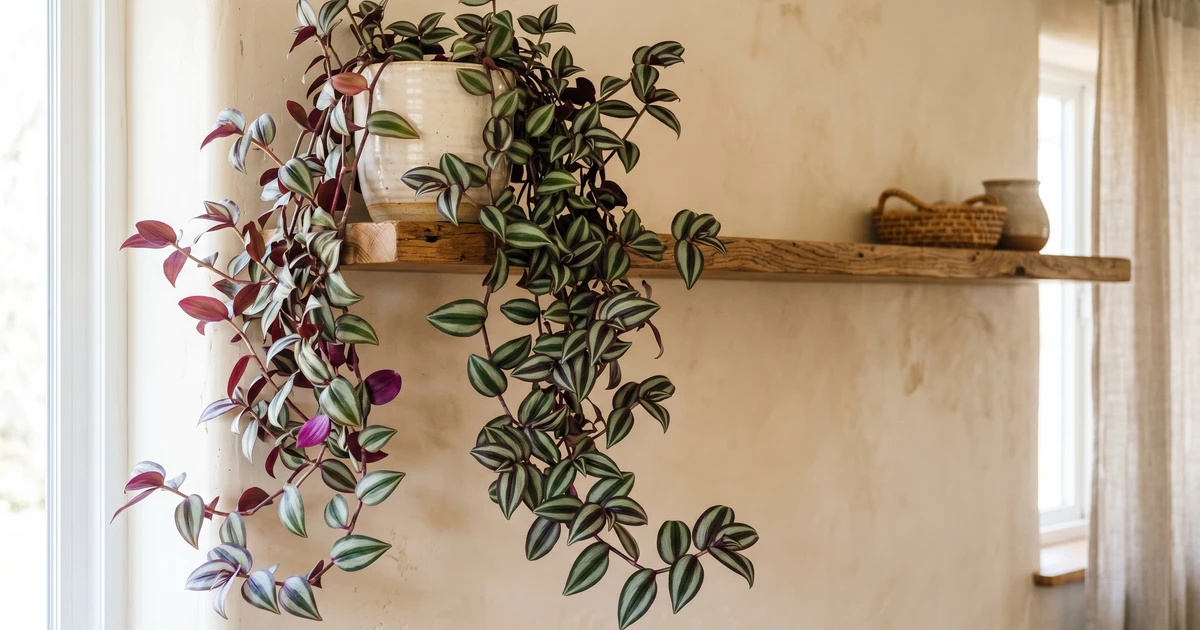
Philodendron: water propagation
Quick answer
water propagation for Philodendron: Philodendron species exhibit faster root initiation than Pothos due to higher natural auxin concentrations in their climbing vine tissue. Most Philodendrons root within 7-14 days compared to Pothos' 14-21 day timeline. However, they are more susceptible to stem rot in stagnant water because their softer, less lignified stems provide less protection against bacterial ingress. The thin, vining stems also have higher surface-area-to-volume ratios, increasing oxygen demand per unit of tissue compared to thicker-stemmed plants like Monstera.
Start here:
- 1. Take 4-6 inch cuttings with minimum 1 aerial root node
- 2. Remove lower leaves to expose node to water while keeping 1-2 upper leaves for photosynthesis
Why water propagation matters for Philodendron
Philodendron spp.
Philodendron species exhibit faster root initiation than Pothos due to higher natural auxin concentrations in their climbing vine tissue. Most Philodendrons root within 7-14 days compared to Pothos' 14-21 day timeline. However, they are more susceptible to stem rot in stagnant water because their softer, less lignified stems provide less protection against bacterial ingress. The thin, vining stems also have higher surface-area-to-volume ratios, increasing oxygen demand per unit of tissue compared to thicker-stemmed plants like Monstera.
How to handle water propagation on Philodendron
- 1
Take 4-6 inch cuttings with minimum 1 aerial root node
- 2
Remove lower leaves to expose node to water while keeping 1-2 upper leaves for photosynthesis
- 3
Use room-temperature dechlorinated water in clear glass container
- 4
Change water every 3 days (more frequent than Pothos due to softer stem vulnerability)
- 5
Position node just below water surface—not submerged too deeply to reduce rot risk
- 6
Expect visible roots in 7-14 days (faster than Pothos)
- 7
When roots reach 2 inches, transition to well-draining potting mix with 40% perlite
- 8
Philodendrons tolerate transition better than Monstera but still benefit from humidity dome for 7 days
Keeping Philodendron on track
Take cuttings with at least one aerial root node (the small bump where leaf meets stem) which contains concentrated meristematic tissue. Use sharp, sterile tools to create clean cuts that heal faster than crushed tissue.
Other Philodendron problems
Same Problem on Other Plants
Go Deeper
This is covered in-depth in the philodendron Mastery Pack — structured modules with video walkthroughs, advanced protocols, and rescue timelines.
Get the Mastery Pack — $37 →