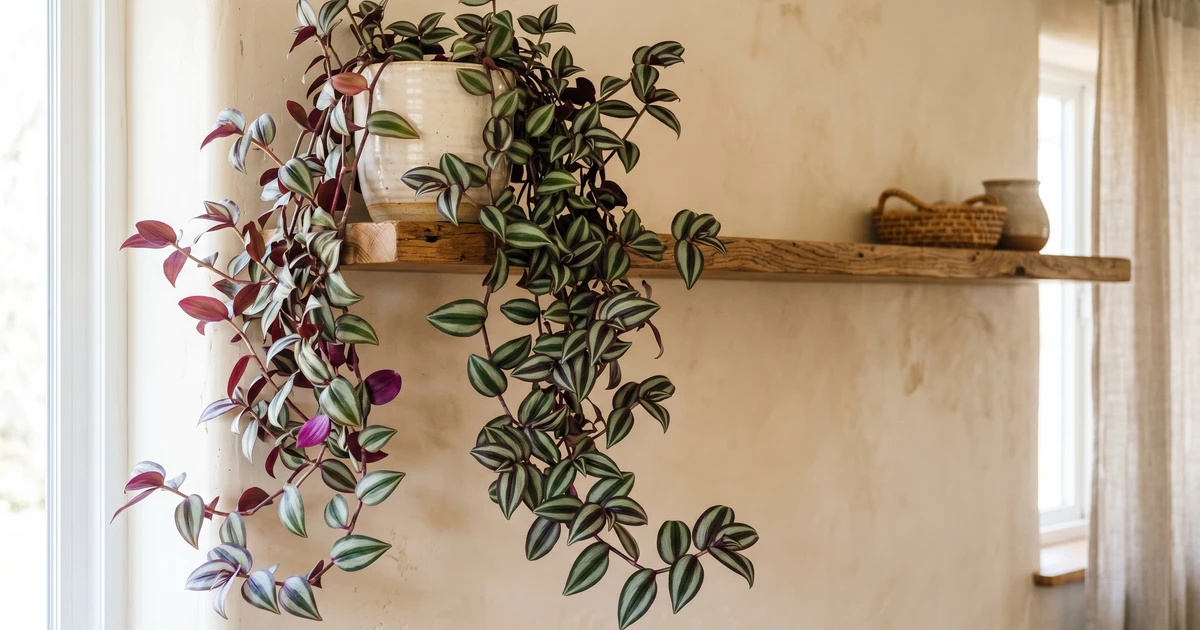
water to soil transition on Philodendron
Quick answer
If your Philodendron has water to soil transition, the most likely cause is: Water-to-soil transplant shock occurs because roots developed in water (water roots) have different cellular structure than soil roots. Water roots are thinner, lack root hairs, and are adapted to extracting oxygen from dissolved water rather than soil air pockets. When placed in soil, these roots struggle to access oxygen and absorb nutrients, causing wilting, leaf drop, and stunted growth. Additional stress factors include: repotting too early before adequate roots form, using dense potting mix lacking aeration, overwatering post-transplant, and low humidity causing rapid transpiration stress.
Start here:
- 1. 1. Wait until water roots are 2-3 inches long with fine branching before transplanting
- 2. 2. Prepare chunky aroid mix: 50% potting soil, 30% perlite, 20% orchid bark
Why Philodendron gets water to soil transition
Philodendron spp.
Water-to-soil transplant shock occurs because roots developed in water (water roots) have different cellular structure than soil roots. Water roots are thinner, lack root hairs, and are adapted to extracting oxygen from dissolved water rather than soil air pockets. When placed in soil, these roots struggle to access oxygen and absorb nutrients, causing wilting, leaf drop, and stunted growth. Additional stress factors include: repotting too early before adequate roots form, using dense potting mix lacking aeration, overwatering post-transplant, and low humidity causing rapid transpiration stress.
How to reverse water to soil transition on Philodendron
- 1
1. Wait until water roots are 2-3 inches long with fine branching before transplanting
- 2
2. Prepare chunky aroid mix: 50% potting soil, 30% perlite, 20% orchid bark
- 3
3. Remove plant from water and gently rinse roots—do not scrub or damage delicate tissue
- 4
4. Plant in appropriately sized pot with drainage, positioning roots carefully without cramming
- 5
5. Water thoroughly once to settle soil, then allow top inch to dry slightly before next watering
- 6
6. Maintain 70-80% humidity using propagation dome or humidifier for 2-3 weeks
- 7
7. Avoid direct sun and fertilizing for 4-6 weeks to reduce stress
Keep water to soil transition off this Philodendron
Allow roots to reach 2-3 inches long and develop fine branching before transplanting. Use well-draining, chunky aroid mix with 50% amendments (perlite, bark). Keep soil consistently moist (not soggy) for 2-3 weeks post-transplant. Maintain high humidity at 70-80% during transition. Transplant during active growing season (spring-summer) when plant energy is highest.
Other Philodendron problems
Go Deeper
This is covered in-depth in the philodendron Mastery Pack — structured modules with video walkthroughs, advanced protocols, and rescue timelines.
Get the Mastery Pack — $37 →