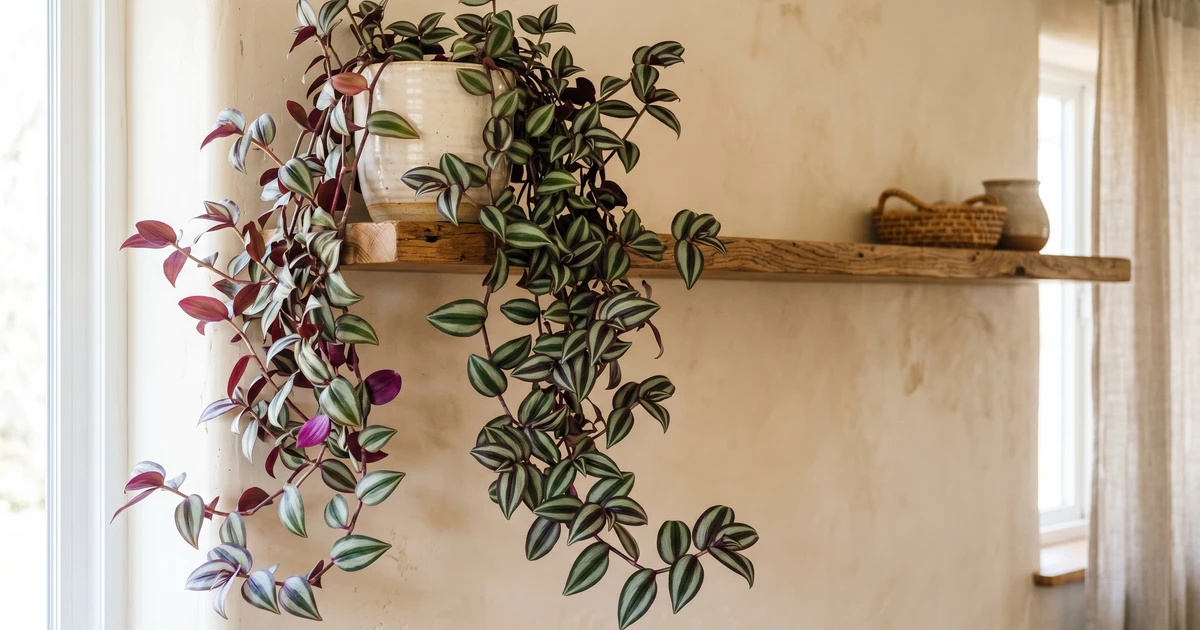
yellow leaves natural aging on Philodendron
Quick answer
If your Philodendron has yellow leaves natural aging, the most likely cause is: Philodendrons exhibit natural basipetal senescence where the oldest, smallest basal leaves yellow and drop as the plant reallocates nutrients to fuel new apical growth. This is a programmed developmental process, not pathology. The monopodial climbing habit requires energy conservation—older leaves become inefficient photosynthetic organs as vines elongate and produce new foliage at the growing tip. Key differentiator from root rot: affects ONLY 1-2 oldest leaves over 2+ months, with healthy new growth continuing at the vine tip.
Start here:
- 1. Identify the pattern: Single or paired oldest basal leaves yellowing while 3+ newer leaves remain vibrant green indicates natural senescence
- 2. Allow leaves to fully yellow (2-4 weeks) before removal—premature cutting disrupts nutrient reabsorption
Why Philodendron gets yellow leaves natural aging
Philodendron spp.
Philodendrons exhibit natural basipetal senescence where the oldest, smallest basal leaves yellow and drop as the plant reallocates nutrients to fuel new apical growth. This is a programmed developmental process, not pathology. The monopodial climbing habit requires energy conservation—older leaves become inefficient photosynthetic organs as vines elongate and produce new foliage at the growing tip. Key differentiator from root rot: affects ONLY 1-2 oldest leaves over 2+ months, with healthy new growth continuing at the vine tip.
How to reverse yellow leaves natural aging on Philodendron
- 1
Identify the pattern: Single or paired oldest basal leaves yellowing while 3+ newer leaves remain vibrant green indicates natural senescence
- 2
Allow leaves to fully yellow (2-4 weeks) before removal—premature cutting disrupts nutrient reabsorption
- 3
Snip at the petiole base with clean shears once completely yellow and dry
- 4
Monitor stem nodes: Healthy 'eyes' or leaf scars on the lower stem confirm normal aging, not disease
Keep yellow leaves natural aging off this Philodendron
No prevention needed—this is healthy plant development. Maintain bright indirect light (2000-5000 lux), 60-80% humidity, and water when top 2 inches dry to support vigorous new growth that naturally outpaces old leaf turnover.
Other Philodendron problems
Same Problem on Other Plants
Go Deeper
This is covered in-depth in the philodendron Mastery Pack — structured modules with video walkthroughs, advanced protocols, and rescue timelines.
Get the Mastery Pack — $37 →