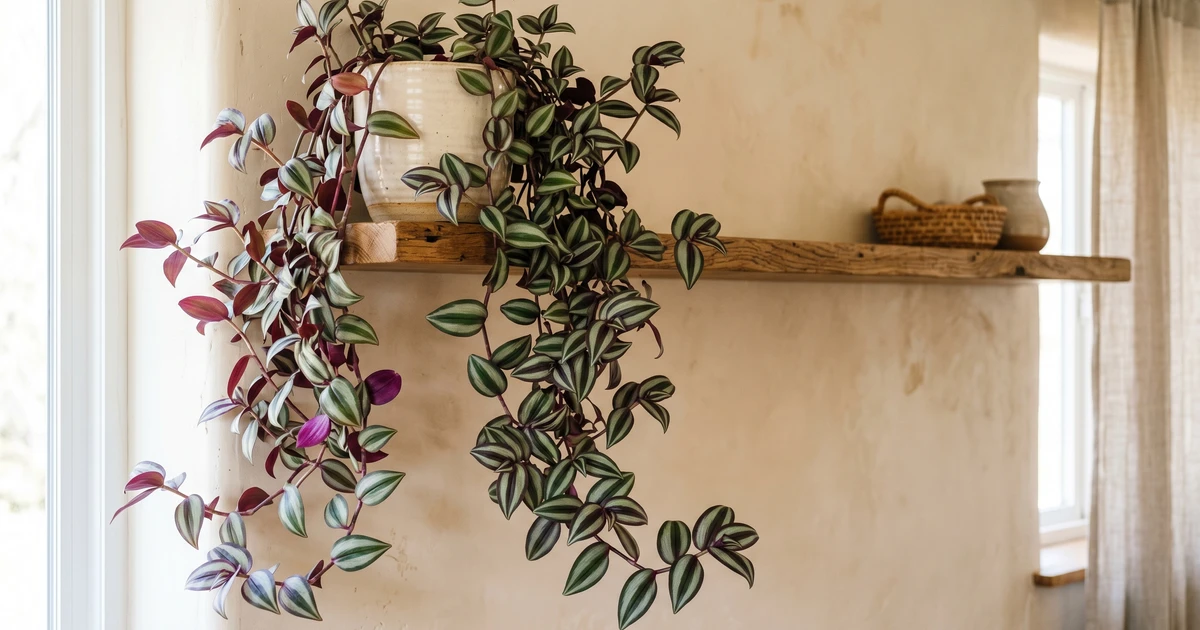
curling leaves on Scindapsus Exotica
Quick answer
If your Scindapsus Exotica has curling leaves, the most likely cause is: Satin pothos (Scindapsus 'Exotica') uses leaf curl as its primary houseplant-level thirst signal; in a forgiving vining tropical with velvety dark green cordate leaves, leaves curl slightly when the substrate dries, and an extended period of leaf curl that persists even after watering points away from under-watering and toward insufficient light exposure indoors, so the leaves are signalling either dehydration or environmental light stress rather than pathogen pressure.
Start here:
- 1. Water thoroughly when the soil is almost dry to dry and let excess drain away fully, then confirm within a day or two whether the leaf curl relaxes on the satin pothos stems.
- 2. If the satin pothos leaves stay curled even after a thorough watering, move the plant to a brighter spot in the house, free from direct sunlight, and resume watering only once the soil has dried out, which removes the light-deficit driver of the curling.
Why Scindapsus Exotica gets curling leaves
scindapsus exotica
Satin pothos (Scindapsus 'Exotica') uses leaf curl as its primary houseplant-level thirst signal; in a forgiving vining tropical with velvety dark green cordate leaves, leaves curl slightly when the substrate dries, and an extended period of leaf curl that persists even after watering points away from under-watering and toward insufficient light exposure indoors, so the leaves are signalling either dehydration or environmental light stress rather than pathogen pressure.
How to reverse curling leaves on Scindapsus Exotica
- 1
Water thoroughly when the soil is almost dry to dry and let excess drain away fully, then confirm within a day or two whether the leaf curl relaxes on the satin pothos stems.
- 2
If the satin pothos leaves stay curled even after a thorough watering, move the plant to a brighter spot in the house, free from direct sunlight, and resume watering only once the soil has dried out, which removes the light-deficit driver of the curling.
Keep curling leaves off this Scindapsus Exotica
Let the satin pothos substrate dry to almost dry between waterings, use a well-draining tropical mix, place the vine in low to bright indirect or dappled light, and trim leggy stems regularly so a fuller plant catches light evenly instead of stretching toward one window.