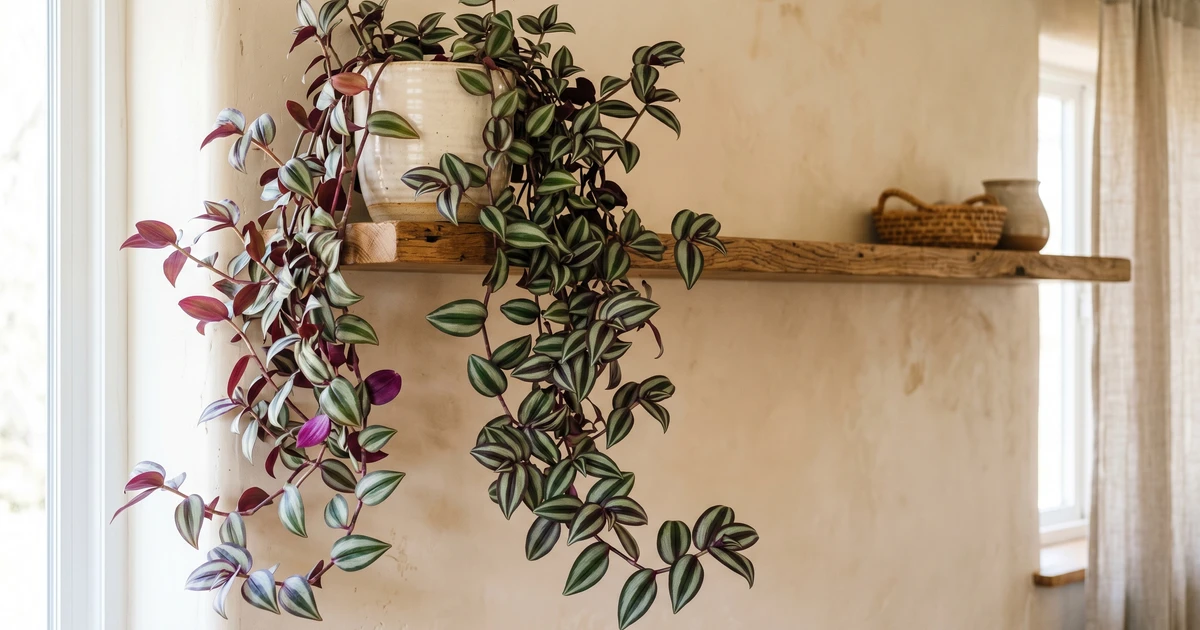
curling leaves on Bird Of Paradise
Quick answer
If your Bird Of Paradise has curling leaves, the most likely cause is: Bird of Paradise leaves curl as a defense mechanism against stress. Primary triggers include: 1) Underwater/Low Humidity - leaves curl inward to minimize moisture loss; 2) Oversized Pots - causing soggy soil at the root ball and early root rot; 3) Light Shock - photoprotective curling when moved too quickly to direct sun; 4) Mineral Buildup - sensitivity to hard water/salts causing leaf margin stress.
Start here:
- 1. Check soil moisture: If bone-dry, perform a deep-soak (bottom-water for 1 hour) to rehydrate roots.
- 2. Inspect roots for rot: If soil is soggy, downsize to a pot only 1-2 inches larger than the root ball; trim mushy roots and treat with diluted hydrogen peroxide.
Why Bird Of Paradise gets curling leaves
Strelitzia reginae
Bird of Paradise leaves curl as a defense mechanism against stress. Primary triggers include: 1) Underwater/Low Humidity - leaves curl inward to minimize moisture loss; 2) Oversized Pots - causing soggy soil at the root ball and early root rot; 3) Light Shock - photoprotective curling when moved too quickly to direct sun; 4) Mineral Buildup - sensitivity to hard water/salts causing leaf margin stress.
Other documented causes on bird of paradise:
- • Underwatering causes Bird of Paradise leaves to curl inward as a physiological adaptation to conserve moisture. The plant's extensive rhizomatous root system requires thorough saturation to mimic natural deep watering in arid savanna environments. Surface soil moisture can be deceptive—roots 2+ inches deep may remain dry despite damp topsoil.
How to reverse curling leaves on Bird Of Paradise
- 1
Check soil moisture: If bone-dry, perform a deep-soak (bottom-water for 1 hour) to rehydrate roots.
- 2
Inspect roots for rot: If soil is soggy, downsize to a pot only 1-2 inches larger than the root ball; trim mushy roots and treat with diluted hydrogen peroxide.
- 3
Acclimate to light: If curling coincides with more sun, move to a shadier spot and increase exposure gradually over 2-4 weeks.
- 4
Improve water quality: Use distilled, rain, or filtered water if tap water is hard.
Keep curling leaves off this Bird Of Paradise
Maintain consistent 50-60% humidity; use a chunky aroid mix (50% soil, 30% perlite, 20% orchid bark); keep slightly root-bound in well-draining pots; avoid sudden environmental changes.