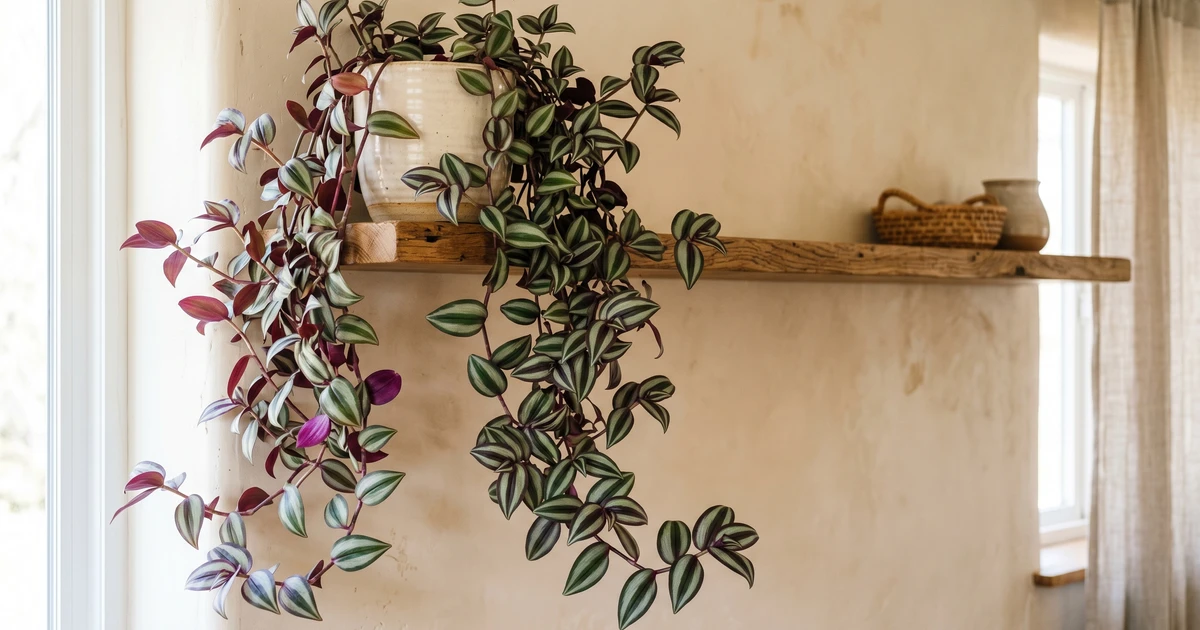
spider mites on Scindapsus Treubii
Quick answer
If your Scindapsus Treubii has spider mites, the most likely cause is: Spider mites are listed among the sap-sucking pests that attack climbing Scindapsus houseplants; the genus-level pest profile for Scindapsus pictus in the standard indoor-plant reference names spider mites alongside mealy bugs, scale insects, and gray mold, so the same arachnid pressure carries over to Scindapsus treubii grown as an indoor foliage climber.
Start here:
- 1. Shower down all stems and leaves with a gentle stream of lukewarm water, taking care to wet both surfaces where mites and their fine webbing hide.
- 2. Mix 1 tsp. (6ml) of castile soap and warm water into a 3 oz. (1 L) spray bottle, add 4 tsps. (24ml) of neem oil, and spray under the leaves and along the stems once a week until the infestation clears.
Why Scindapsus Treubii gets spider mites
Scindapsus treubii
Spider mites are listed among the sap-sucking pests that attack climbing Scindapsus houseplants; the genus-level pest profile for Scindapsus pictus in the standard indoor-plant reference names spider mites alongside mealy bugs, scale insects, and gray mold, so the same arachnid pressure carries over to Scindapsus treubii grown as an indoor foliage climber.
How to reverse spider mites on Scindapsus Treubii
- 1
Shower down all stems and leaves with a gentle stream of lukewarm water, taking care to wet both surfaces where mites and their fine webbing hide.
- 2
Mix 1 tsp. (6ml) of castile soap and warm water into a 3 oz. (1 L) spray bottle, add 4 tsps. (24ml) of neem oil, and spray under the leaves and along the stems once a week until the infestation clears.
Keep spider mites off this Scindapsus Treubii
Keep ambient humidity steady and mist foliage regularly so leaves do not stay dusty and dry; isolate any new plant for a few weeks before introducing it to the rest of the collection.